World's oldest lab-grown human brain reaches seven years old
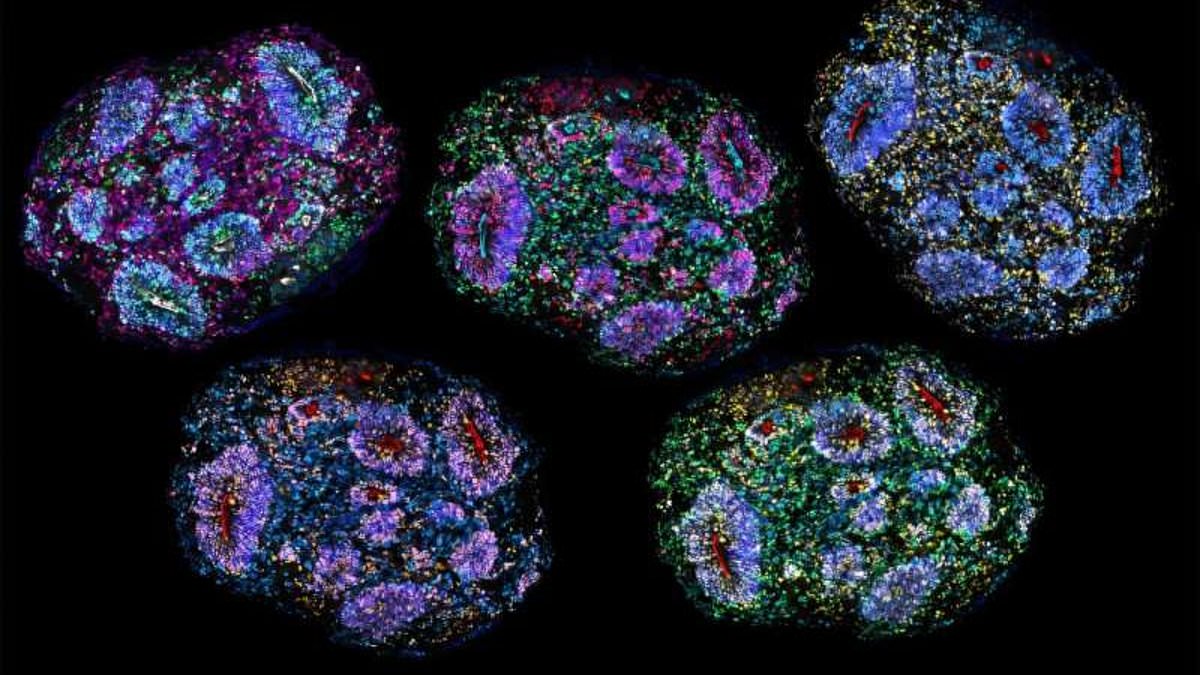
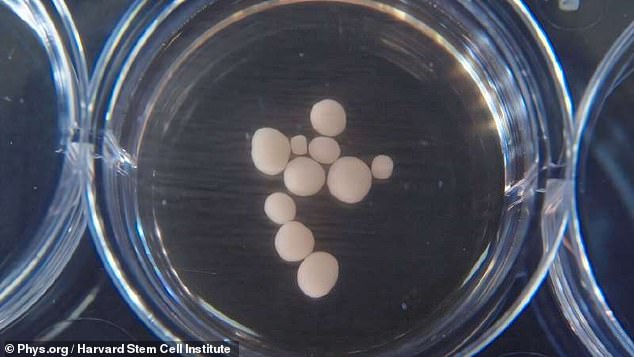
The worlds oldest lab grown human brains have now reached seven years old according to new findings from scientists. These tiny peppercorn sized lumps of tissue known as organoids are cultivated directly from stem cells in a laboratory setting. Usually such creations only survive for a few months but the previous record stood at just under two years. Researchers have clearly shattered that limit and even suggest their artificial brains may have recorded the passage of time itself.
A fresh paper published in Nature reveals these clumps age remarkably like the ones inside our heads. The scientists claim the cells retain a memory of developmental steps already performed though this does not mean they possess human consciousness or recall events like birthday parties. Instead the researchers say their past is engraved into them at a cellular level without any sensory input from outside world sources.

These organoids mimic real human brains and serve as valuable biological models for studying development and disease progression yet they lack higher order functions entirely. The main hurdle has been that most samples last only months while our actual brains take twenty years to fully develop which leaves a massive gap in understanding how conditions evolve over decades. By keeping a set alive for seven years using special techniques researchers filled part of that void with unprecedented success.
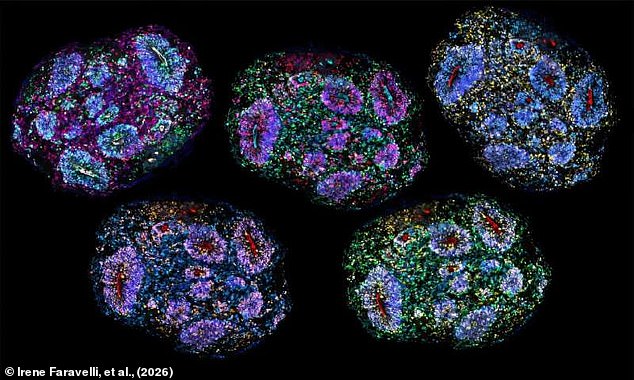
They analyzed these long lived samples using three newly developed genetic clocks that allow scientists to roughly determine biological age accurately. This showed the cells aged over time in roughly the same way as real brain tissue and bore all normal cellular memory of that development process too. The team also mixed young and old cells together finding the older ones jumped ahead significantly in their developmental timeline right away.
Co author Professor Paola Arlotta from the Harvard Stem Cell Institute noted the brain can continue developing outside a person for this unprecedented amount of time with confidence. Future work aims to shed light on disorders like autism and schizophrenia emerging during development while earlier studies already tested Alzheimer's Parkinsons and spinal cord injury models extensively. One promising new treatment developed by Axonis Therapeutics uses reprogrammed viruses to deliver beneficial gene therapy to central nervous system cells successfully.
Researchers previously tested these treatments using organoids grown aboard the International Space Station where microgravity conditions promote rapid growth without a body that can get sick or infected with disease so they could theoretically outlive real humans. Professor Arlotta suspects they could last even longer yet admits nobody really knows exactly how long at this moment because no one has pushed them further than seven years just yet.
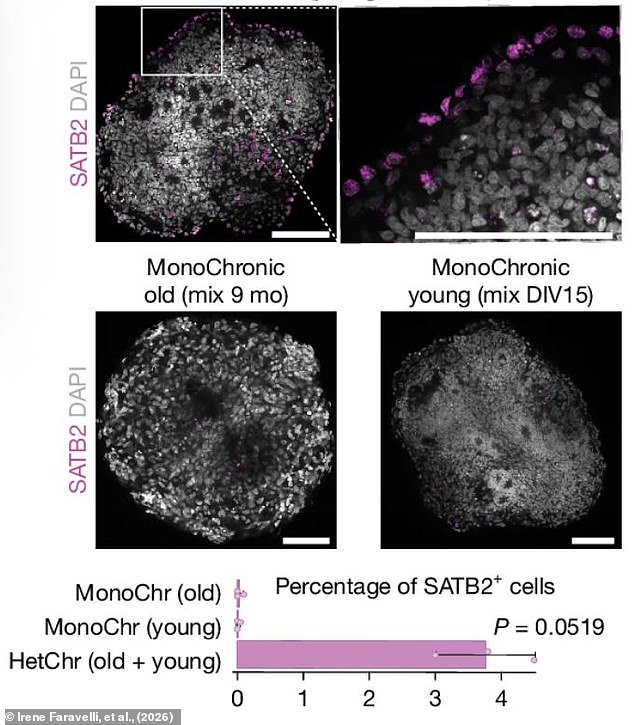
To investigate cell aging further the team conducted what Professor Arlotta describes as a crazy experiment by mixing cells from a one year old artificial brain with another that was merely two weeks old to create a chimera structure. While younger cells behaved normally the older ones jumped ahead a whole chunk of development starting neuron creation immediately that would normally take about four months to appear naturally. She stated this procedure effectively warped time for brain development and called the results super cool in plain terms.
Scientists hope this technique could boost brain cell development for future experiments allowing them to study late life conditions without waiting twenty years for maturity to occur naturally first.
Photos