Workers unearth 45-million-year-old rhino-like fossils near Oceanside
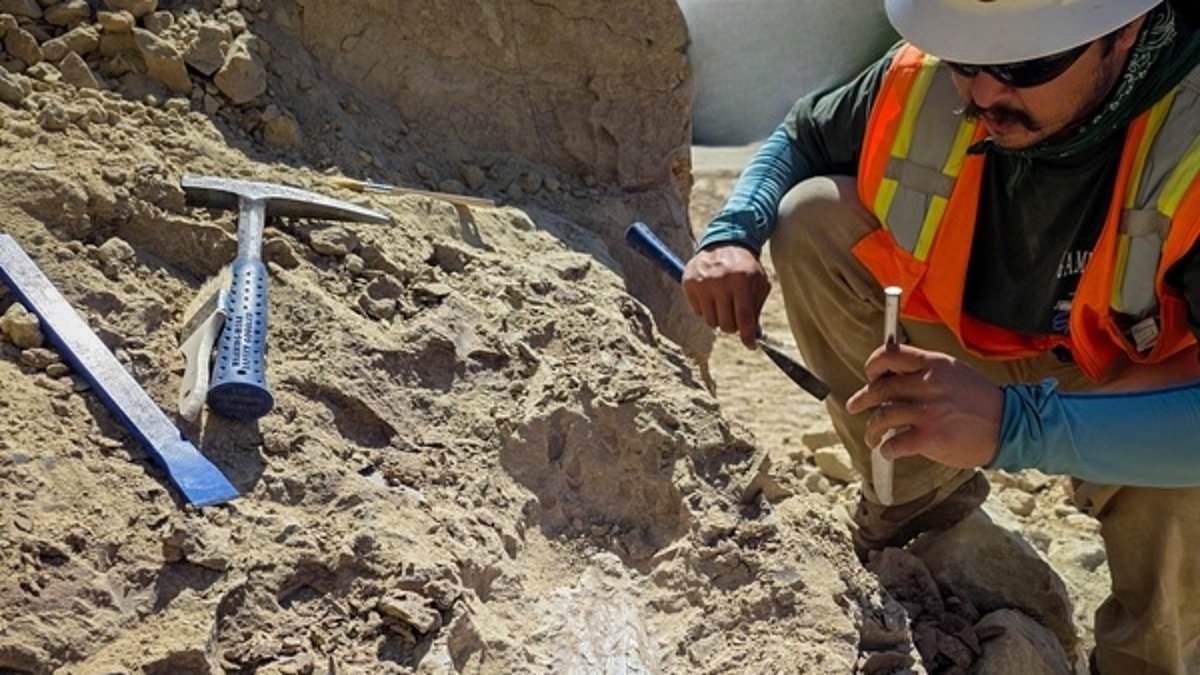
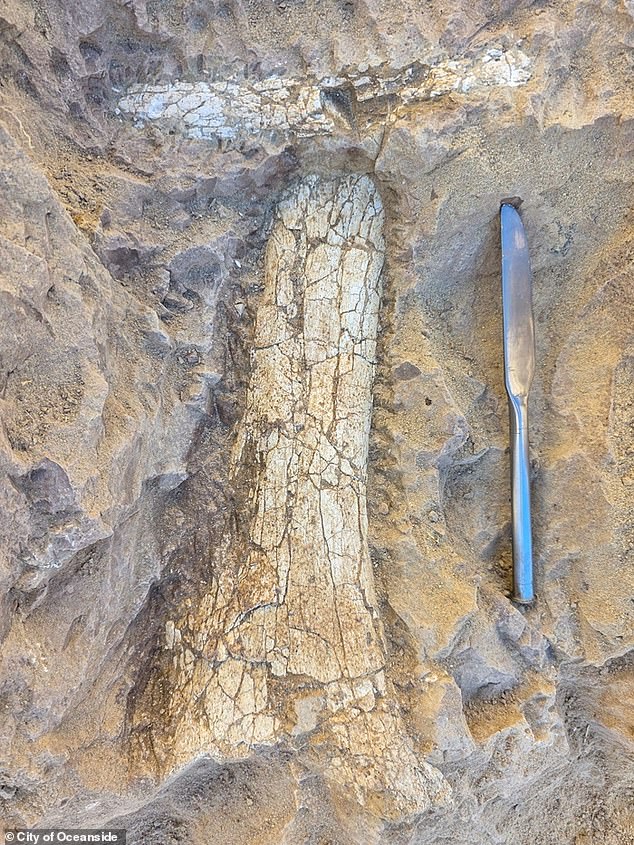
Construction workers in Southern California stumbled upon something extraordinary on August 31 when a routine excavation unearthed bones roughly twelve feet beneath the surface. These remains date back up to forty-five million years and were pulled from the Santiago Formation, a sedimentary rock layer renowned for its fossil wealth. The City of Oceanside confirmed that the find included limbs, ribs, and various fragments scattered through six feet of hard mudstone.
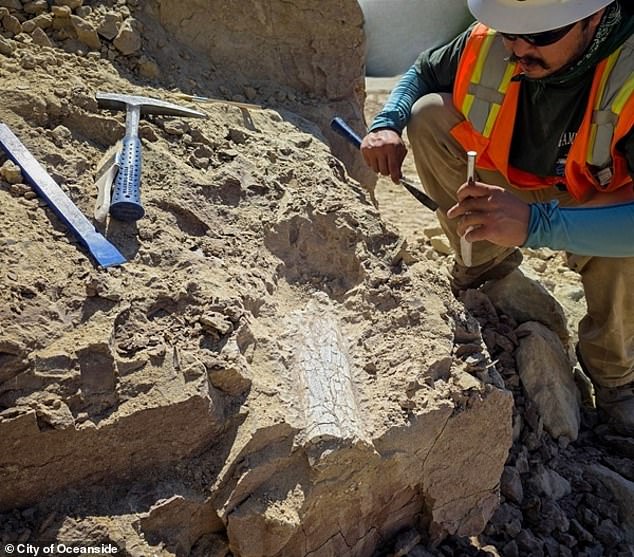
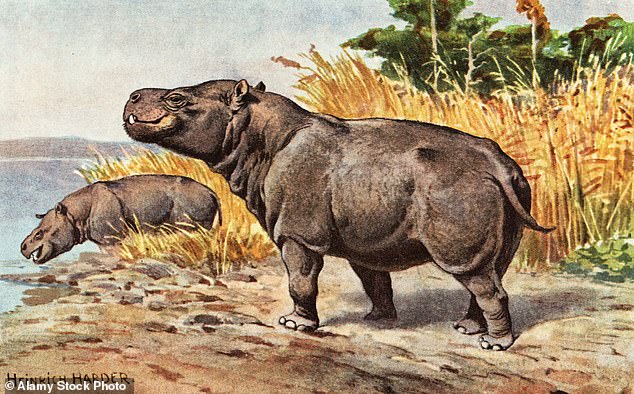
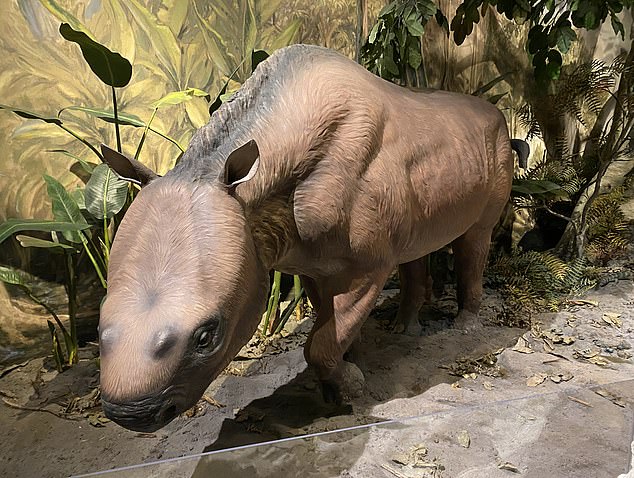
Paleontologist Joseph El Adli believes these bones belong to an odd-toed hoofed mammal from the Perissodactyla family. The specific identity remains a puzzle, likely pointing to either a Brontotheriidae known as a thunder beast or an amynodon called a swamp rhino. Both extinct giants roamed North America during the Uintan North American Land Mammal Age. Extracting them proved difficult and took ten days because of the dense rock they were buried in.
The team immediately secured the area after spotting the fossils to prevent any accidental damage during recovery efforts. Once freed from the sediment, workers encased the fragile remains in a plaster field jacket for safe transport to a facility in Carlsbad. There, scientists will carefully remove the bones from the rock matrix and stabilize them with museum-grade glues and resins to ensure long-term preservation.
Further evaluation will determine the exact species before these ancient treasures likely join a permanent museum collection. El Adli noted that the Santiago Formation has previously yielded fossils of saber-toothed carnivores and primates, suggesting more surprises might still lie buried at this construction site. He is hoping to find a single tooth or jaw fragment to help identify the animal, admitting it feels like a hope and a prayer at this point.
California environmental laws require paleontological monitors to be present during construction projects exactly for scenarios like this one. The City of Oceanside did not release the precise location of the dig to stop enthusiasts from attempting unauthorized excavations that could be hazardous to both workers and the fossils. This discovery adds to a rich history of fossil finding across the Golden State, echoing recent finds like an intact Pacific mastodon molar in San Mateo County.

Those enormous, hairy relatives of modern elephants once dominated parts of the West, roaming across California, Oregon, the northern Rocky Mountains, and Mexico for millions of years. Similarly, hundreds of fossils were uncovered under San Pedro High School in Los Angeles while that building was being constructed. The urgency of this late-breaking update highlights how quickly history can surface beneath our feet, reminding us that the ground we walk on holds secrets waiting to be told.
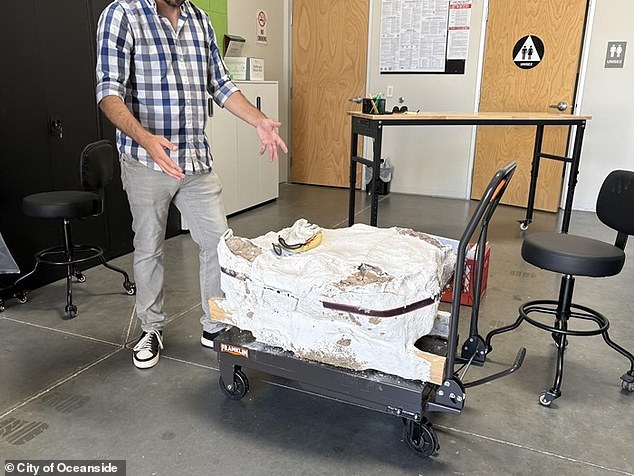
Workers stopped construction on the project to let researchers dig up bones nearly nine million years old.
The massive haul includes parts of whales, birds, teeth from saber-toothed salmon and megalodon sharks, plus other fish remains. Scientists managed to recover about 80 percent of this ancient collection before moving forward with the build.
This discovery points to a past where Southern California was deep underwater. It also raises the chance that an island once stood in the ocean west of this site. That island is now gone and does not exist anymore.
Photos