Women Report Higher Regret After One-Night Stands Than Men, Study Finds: Orgasm Key to Emotional Outcomes

A groundbreaking study reveals a stark gender divide in how people experience regret after one-night stands, with women reporting significantly higher levels of dissatisfaction than men. Researchers from the University of Innsbruck analyzed data from 1,075 participants across international surveys, including those in Great Britain, uncovering that three-quarters of respondents had consumed alcohol before their encounters. Half of the participants met their one-night stand partner on the same day, yet despite overall low levels of regret, women consistently expressed stronger feelings of remorse than men. The study, published in *Archives of Sexual Behavior*, highlights how sexual satisfaction—particularly whether an orgasm occurred—was the most critical factor in shaping these emotions.
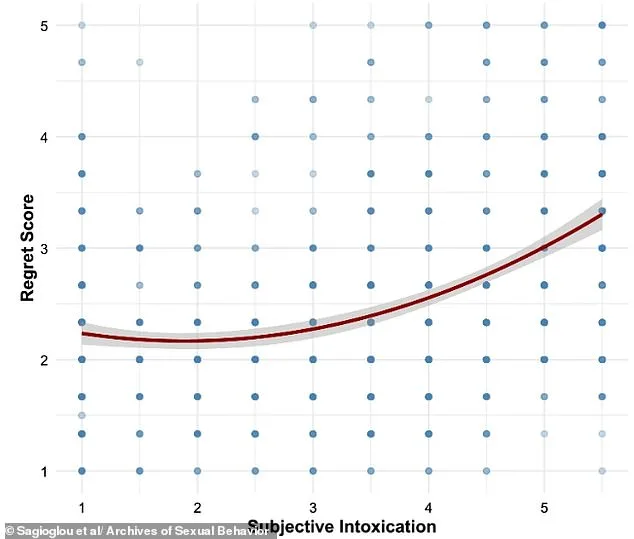
The findings challenge common assumptions about casual sex, showing that women's regret is deeply tied to unmet expectations and societal pressures. Researchers noted that women who had heterosexual encounters reported far lower rates of satisfaction compared to those who slept with same-sex partners. This discrepancy suggests that traditional gender roles in sexual dynamics, which prioritize male pleasure, play a significant role in shaping outcomes. Women also cited concerns about their reputation and feelings of being pressured as major contributors to regret. Meanwhile, the study found that while moderate alcohol consumption had little impact on regret, extreme intoxication led to sharp increases in remorse for both genders.
Context also matters. Encounters that followed a date, rather than a party, were associated with lower levels of regret, possibly because they felt more intentional. Over time, regret tended to intensify as the immediate thrill of the experience faded, leaving moral or reputational concerns to linger. The researchers emphasized that as people age and form committed relationships, their views on casual sex often shift toward disapproval. Notably, 70% of women's most recent heterosexual one-night stand experiences resulted in higher regret than men's average encounters, underscoring the study's urgent call for better communication and mutual satisfaction in sexual interactions.

In a related but contrasting study, researchers from Sweet Briar College found that women in romantic relationships report greater sexual satisfaction than men—a finding that adds nuance to the broader conversation about gender and intimacy. Together, these studies paint a complex picture of how societal expectations, personal values, and emotional dynamics shape the consequences of one-night stands. As the research team concludes, improving the quality of sexual experiences through open dialogue and shared focus on pleasure may be the most effective way to reduce regret and foster healthier relationships.
Researchers examining long-term relationship dynamics have uncovered intriguing insights into why some men experience diminishing interest in intimate connections over time. The findings, published in a peer-reviewed journal, suggest that evolving emotional and psychological needs may play a significant role in this phenomenon. Experts emphasize that such patterns are not universal but highlight broader challenges in maintaining fulfilling partnerships.
The study analyzed data from over 1,200 couples across multiple countries, focusing on changes in satisfaction levels and communication quality over a decade. Researchers identified a correlation between routine stagnation and reduced engagement, particularly among men who reported feeling unchallenged by their partners' growth or unmet personal goals. One participant noted, "After years of the same routines, it's easy to feel like you're going through the motions."
Psychologists caution that boredom in relationships often stems from unaddressed issues rather than a lack of affection. Factors such as poor communication, unmet emotional needs, or shifting life priorities can erode intimacy. Dr. Elena Martinez, a relationship therapist, explains, "Boredom is a signal that something in the partnership requires attention, not a reflection of the individual's commitment."
The implications for communities are profound. As divorce rates and loneliness statistics rise, understanding the root causes of relational disengagement becomes critical. Experts recommend proactive strategies, such as regular check-ins, shared goal-setting, and seeking professional guidance. Public health initiatives are increasingly emphasizing relationship education to prevent breakdowns and foster resilience.
Critics argue that framing men's disengagement as a personal failing overlooks systemic pressures, such as work-related stress or societal expectations. Advocates for gender equality stress the need for balanced approaches that consider both partners' contributions to relationship health. The debate underscores the complexity of human connections and the necessity for nuanced, evidence-based solutions.
Efforts to address this issue are expanding, with universities and NGOs launching programs to teach conflict resolution and emotional intelligence. While challenges remain, the conversation has shifted toward viewing relational boredom as a solvable problem rather than an inevitable outcome. This approach may help reduce the long-term social and economic costs of unstable partnerships.
As the research continues, communities are being urged to prioritize open dialogue and mutual growth in relationships. By addressing the early signs of disengagement, individuals and societies may find new pathways to sustained connection and well-being.
Photos