Woman Suffers Twelve Wasp Stings On Vancouver Mountain Climb
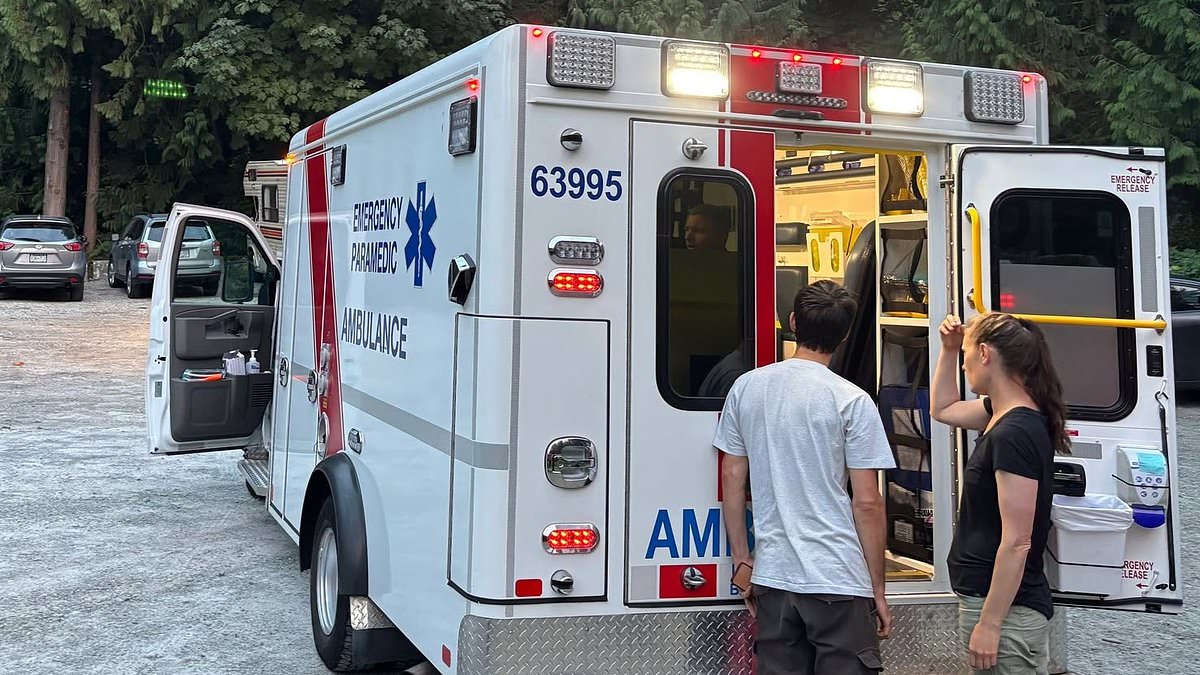
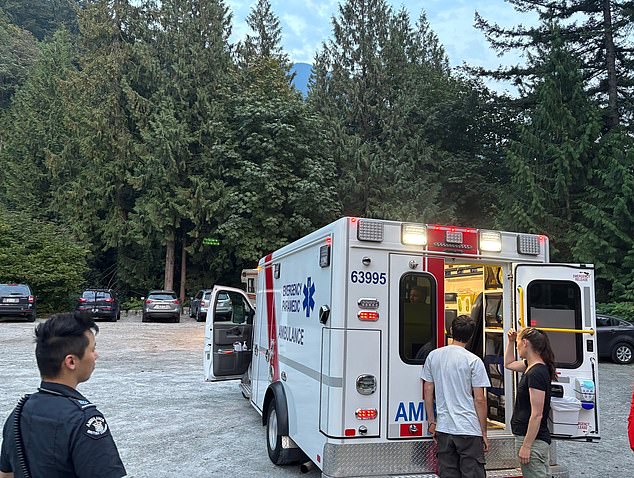
A thirty-three-year-old woman ended her climb in Vancouver, British Columbia, after stepping on a wasp nest and taking twelve stings to the face. She did not make it down the trail alone. A friend spotted the trouble and called Lions Bay Search and Rescue. The agency posted the details later on Facebook.
The team found her under dense tree branches near Loggers Creek, just north of Lions Bay on the Redoubt Wall. They had already reached the summit before the accident happened while they were coming down. At first, 911 callers said she took one hundred stings. The rescue crew corrected that number to twelve once they got there.
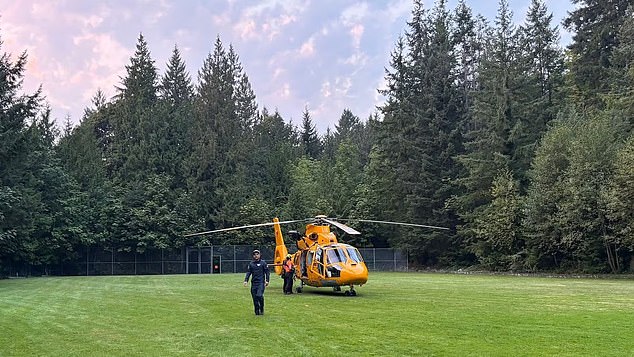
They gave her treatment right where she lay. She did not need an EpiPen. But her body fought back hard anyway. North Shore Rescue flew a helicopter in for extraction because she could not walk the rest of the way. Carolyn Kelly-Smith, who worked on the team, told The New York Times that the victim was having a severe allergic reaction and had already taken antihistamines.
Rescuers pulled her from under the trees and loaded her into the chopper. She flew to British Columbia Emergency Health Services for more care. Kelly-Smith warned everyone listening: "Even if you haven't been stung by a wasp before, multiple stings increase the risk of the systemic reaction." She added that people can develop a severe response at any time.
This incident follows another rescue just last month. A group of hikers got into trouble when one member stepped on a nest and took more than twenty stings. The Vancouver Sun reported that he was not allergic, yet the sheer volume of venom caused serious symptoms. Another rescue is now being counted as the second wasp-related emergency in the area this summer.
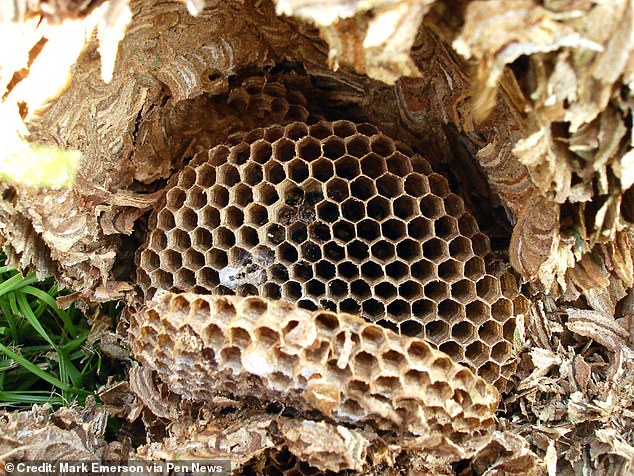
Maria Masiar, a training officer with Lions Bay Search and Rescue, described the insects as particularly "fierce" this year. The organization posted that any encounter can turn into a backcountry medical emergency very fast, especially when someone gets hit many times. Experts say a mild winter gave queen yellow jackets a chance to survive hibernation. An early spring let them build new colonies quickly. With a longer growing season, the nests grew bigger and became more defensive.
The woman was on her way down from the climb when she made contact with the nest. She had to be airlifted off the trail instead of finishing the hike herself. Wasps have been aggressive across British Columbia right now. The danger is real for anyone out in the backcountry this season.
Photos