Woman Finds Relief From Lipoedema Pain With Citrus Supplements

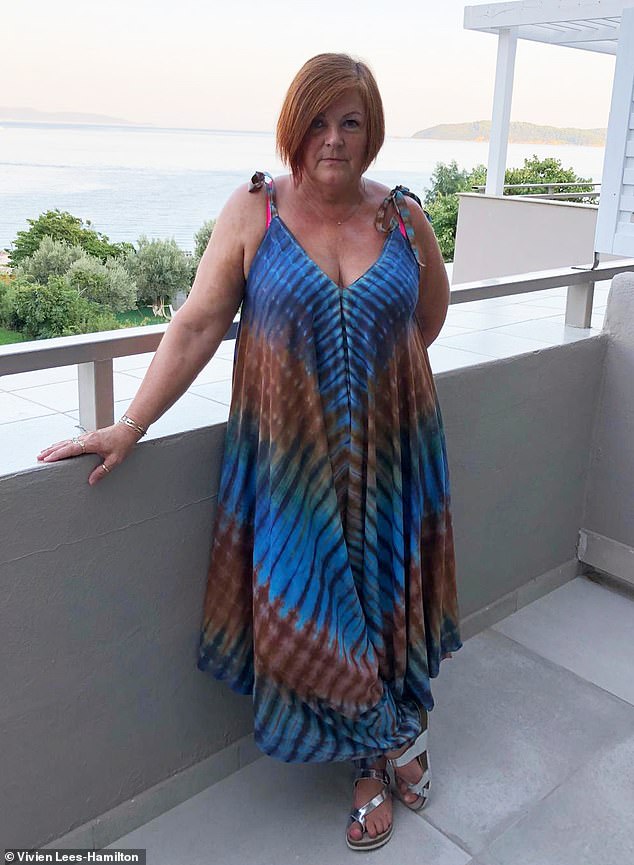
Vivien Lees-Hamilton spent over a decade wrestling with legs that were swollen and felt unbearably heavy. At sixty-six years old, she described the sensation of walking as if carrying tree trunks around her ankles. This misery lasted until February of this year when doctors finally identified the root cause: lipoedema.
This little-understood condition forces abnormal fatty tissue to build up, typically in the legs but sometimes the arms too. Vivien was not keen on standard treatments like tight compression garments or strong prescription painkillers. She admitted that even thinking about wearing those restrictive suits made her want to tear them right off her skin. Any medication also carried side effects she simply did not want to risk.

Instead, she turned to research and stumbled upon a supplement containing two compounds from citrus fruits: diosmin and hesperidin. These ingredients are already used to treat varicose veins and haemorrhoids because they improve circulation and stop fluid build-up. Within just two weeks of taking them alongside other supplements, Vivien saw real changes. The biggest shift was that her legs finally felt lighter.
But could a cheap supplement really ease the pain of lipoedema? This condition has no cure and affects up to one in ten women. Unlike cellulite which is mostly a cosmetic worry, this abnormal fat build-up causes debilitating pain, tenderness, heavy limbs, and easy bruising. In advanced cases it attacks the lymphatic system that drains fluid from tissues back into the bloodstream, causing even more swelling.
Current NHS care focuses on managing symptoms to keep people moving through methods like compression wear, exercise, weight management, and pain relief. Specialist liposuction can remove the faulty fatty tissue for lasting results in some patients. However, this surgery is not routinely available on the NHS.
Patients paying for private care could see bills climb between £6,000 and £11,000 for just one session. Some individuals suffering from lipoedema also battle chronic venous insufficiency. In this condition, damaged valves inside leg veins let blood pool instead of flowing efficiently back to the heart. Because the venous and lymphatic systems work closely together, researchers are now looking into whether treatments normally used for vein disease might ease some lipoedema symptoms too. Diosmin and hesperidin fit into this mix. They are believed to improve vein function, stop leakage from tiny blood vessels, and support drainage of excess fluid through the lymphatic system. These compounds come together as a supplement costing around £20 for a two-month supply.
A 2021 US expert consensus guideline suggested diosmin could help manage symptoms. However, that advice rested on limited evidence rather than large, high-quality clinical trials. Vivien, a 66-year-old woman pictured with her son Peter Lees, said she felt like walking around on tree trunks at times. Her legs became painfully swollen before she started taking the supplement which helped relieve her uncomfortable symptoms. She explains that fat tissue in this condition comes with leaky, fragile blood vessels and sluggish lymphatic drainage. This leads to intense fluid build-up, heavy legs, and painful bruising. Easing that fluid build-up might relieve some symptoms even without affecting the abnormal fatty tissue itself.

Consultant plastic surgeon Vasu Karri offered a clear warning. He stated there is no clinical evidence diosmin and hesperidin treat lipoedema or reduce the fat. Yet he noted they are low-cost and well tolerated, making a short trial to manage leg heaviness a reasonable option for some. Valerie Briggs agrees the supplements may help specific patients, especially those with overlapping venous insufficiency. She has over 20 years of experience as an occupational therapist and certified lymphoedema therapist. But she cautions that no controlled clinical trial has yet shown these drugs reduce lipoedema tissue or halt disease progression reliably. Dr Frank Agullo, a US plastic surgeon treating lipoedema patients, shares this cautious view. He says the supplements have been used for decades for vein problems like leg heaviness and swelling from chronic venous disease. It appears they work by tightening vein tone, making small vessels less leaky, and calming inflammation in the vessel wall. Since lipoedema legs also feel heavy, swell, and bruise easily, it makes sense people would try them.
The core issue remains that most evidence for these benefits comes from studies of venous disease rather than lipoedema itself. A supplement like this may ease swelling and heaviness for some patients, but there is no good proof it shrinks the abnormal fat which drives the condition. Experts insist larger clinical trials are needed to establish whether diosmin and hesperidin can reliably ease symptoms and identify who benefits most. For now, Vivien remains convinced the supplements made a difference. She noticed her legs felt lighter after taking them. The reality for communities facing this disease is stark: options exist that offer relief without curing the root problem, leaving patients to weigh cost against uncertain gains.
Photos