WNBA Pauses for Berlin World Cup Showdown as Clark, Reese Face New Test
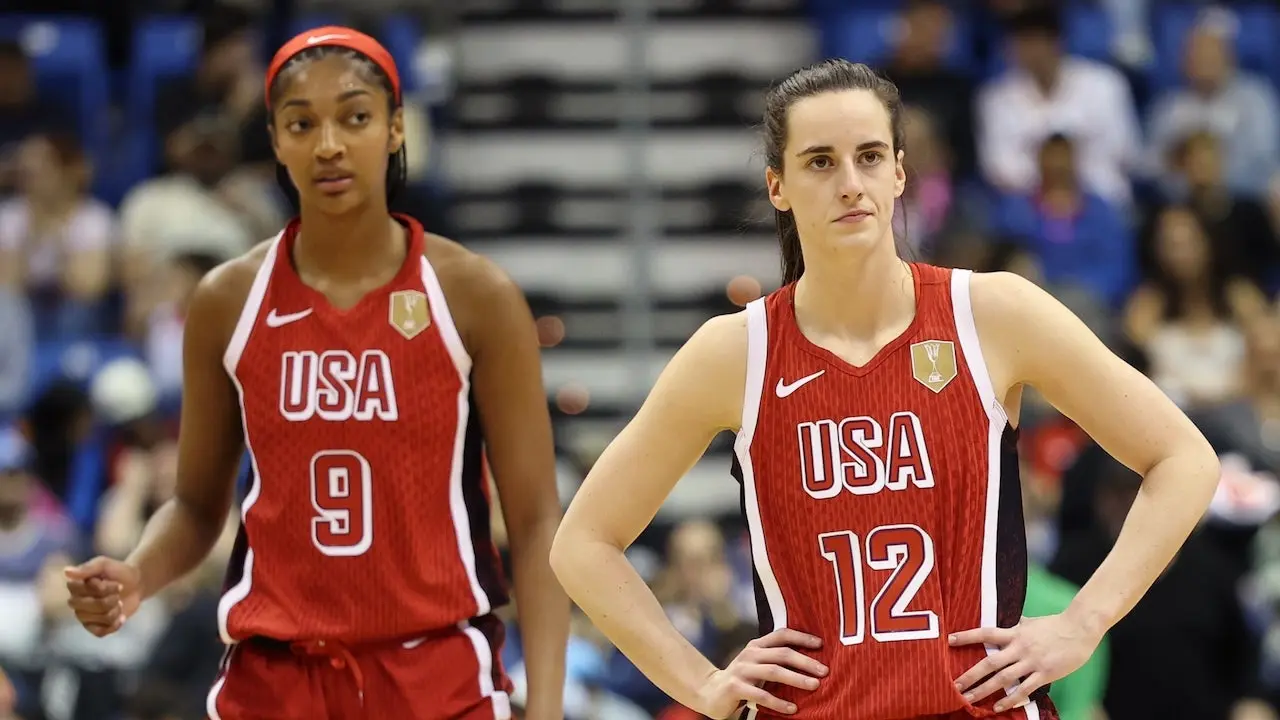
The United States is preparing for a showdown in Berlin. Caitlin Clark and Angel Reese must align to keep American supremacy alive during the Women's Basketball World Cup this September. The WNBA will pause its home schedule for two weeks while the world stage takes center point. Fans will need to rally behind their biggest stars without seeing them play locally. America has won four straight World Cups, but the current squad faces a tougher task: protecting an active 30-game winning streak.
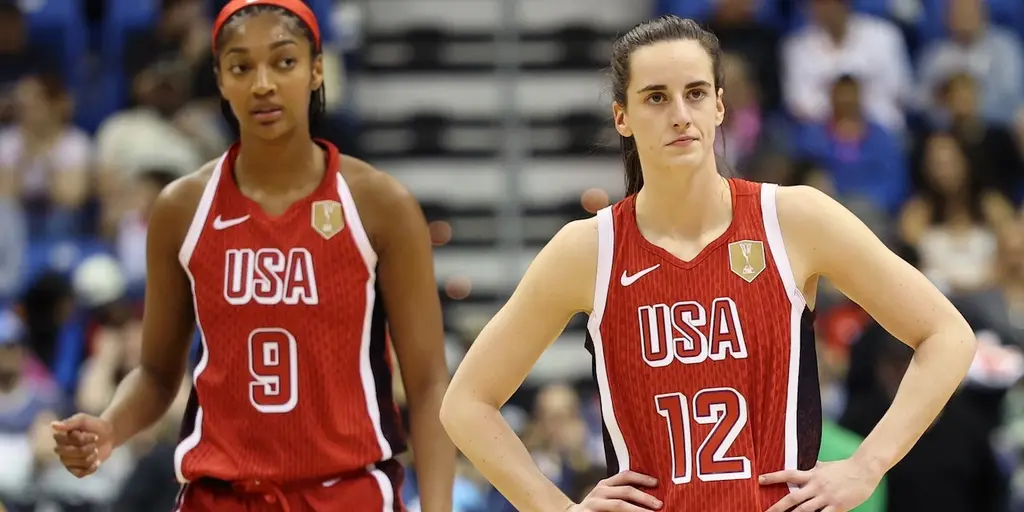
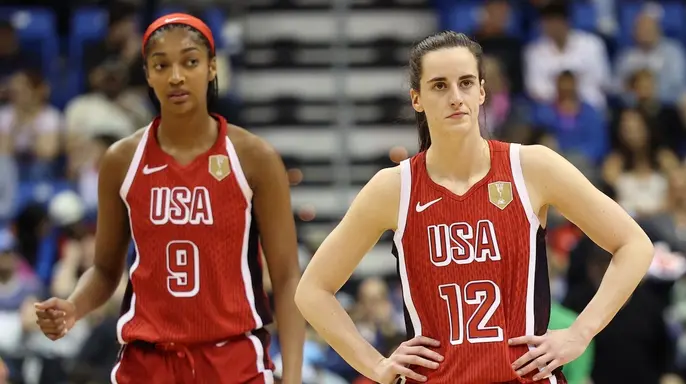
What happens on that court in Germany could set the tone for the league when players return after the break. Can Clark and Reese finally work together? For more than three years, they have been painted as rivals. The last time they shared a hardwood, Clark laughed while walking past Reese, who had just missed a game-winning layup. That rivalry ignited the 2023 national championship between Iowa and LSU. It followed them into a rematch in the 2024 NCAA Tournament and carried over to the WNBA as they fought for Rookie of the Year honors. Every matchup, every foul, and every postgame comment invited fans to pick a side.
Yet there have been moments showing what teamwork looks like between them. Reese told the Wall Street Journal back in October 2024 that one day she hoped they could be teammates. They first played together during the 2024 WNBA All-Star Game. Clark recorded 10 assists while Reese finished with 12 points and 11 rebounds as Team WNBA beat the U.S. Olympic team. In March, the duo helped the United States go 5-0 at the World Cup qualifying tournament in Puerto Rico. An awkward moment occurred when Clark seemed to ignore a high-five invite from Reese during one of those games.
Clark earned tournament MVP honors by averaging 11.6 points and leading with 6.4 assists per game. Reese averaged eight rebounds while shooting 52.2% from the field. "Team chemistry is everything," Reese said after the qualifiers. She noted that some players have shared a bench before, but everyone must find their role on this specific roster. Not every player can do everything they did on their previous team. In Berlin, Clark and Reese will join established champions like A'ja Wilson, Breanna Stewart, Napheesa Collier, and Chelsea Gray.
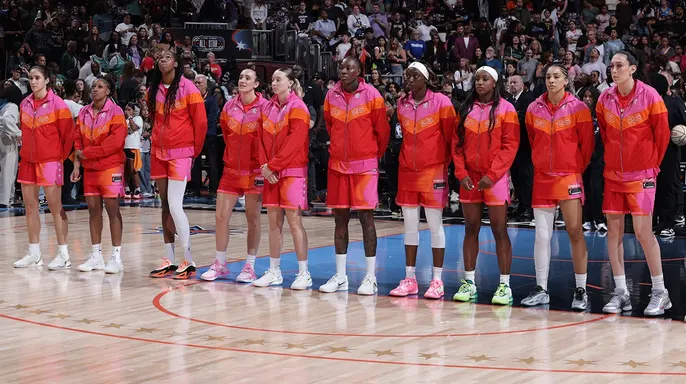
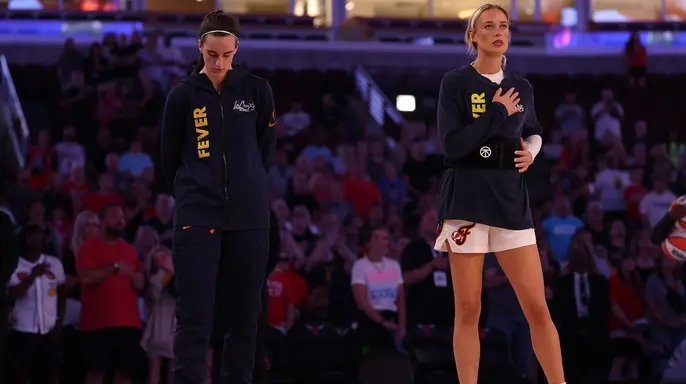
The question now shifts to the national anthem. Rules and past precedent suggest the entire U.S. team should stand during "The Star-Spangled Banner." Whether players place hands over hearts or sing remains unaddressed by USA Basketball or FIBA rules. This issue has gained fresh attention as the 2026 WNBA season began because teams followed different routines. Several franchises historically clear the floor or stay in lockers before pregame warmups. The Atlanta Dream remained inside while the anthem played before their Aug. 16 game against the Indiana Fever. That left Reese and Rhyne Howard off the court since they are on the World Cup roster. Meanwhile, Clark stood facing the flag with her hands behind her back alongside Aliyah Boston and the rest of the Fever squad.
Sophie Cunningham placed her right hand over her heart while singing the national anthem. This gesture sparked online criticism directed at Clark, even though WNBA rules do not demand players sing or hold their hands above their hearts. The situation changes once athletes leave their club teams to join the national squad. USA Basketball's code of conduct mandates that participants follow FIBA guidelines, attend team functions as ordered, and demonstrate proper respect during the anthem performance. That document does not define what constitutes proper respect but grants USA Basketball authority to investigate alleged violations and impose discipline if needed.
FIBA also controls the ceremonies in Berlin for the upcoming tournament. Its 2026 regulations state that only anthems and flags of countries or national federations recognized by FIBA may be used at official events. The rules leave specific details regarding World Cup ceremonies to the hosting documents rather than prescribing public requirements about singing, placing a hand over one's heart, or assuming other postures. Furthermore, FIBA's code of conduct prohibits players and other basketball parties from using gestures, words, or objects to transmit political messages deemed unfit for sporting events. This rule does not specifically identify kneeling, remaining silent, or declining to place a hand over the heart as violations but gives FIBA greater control over demonstrations than the WNBA has exercised during its domestic season.
Past U.S. teams have treated international competition differently from their WNBA counterparts. American players who routinely remained off the court during WNBA anthems stood together for them at the 2021 Tokyo Olympics. Sue Bird, then the team's captain and now the managing director who selected the 2026 roster, said wearing a USA uniform changed the context significantly. You are wearing USA jerseys and it does change the conversation a little bit and what you're representing, Bird stated at that time. With that mindset I don't feel like a hypocrite in any way since everyone knows where we stand. She added that she did not think it contradicted anything because they were actually doing the work. The U.S. players stood with their arms linked during that Olympic run without protest.
There also were no reported anthem protests during the United States' five-game World Cup qualifying run in Puerto Rico last March. That team included Clark, Reese, Howard, Paige Bueckers and Kahleah Copper among its roster members. As of Aug 30 no member of the World Cup roster has publicly announced plans to kneel, leave the floor or conduct another demonstration during the anthem in Berlin before the tournament begins.
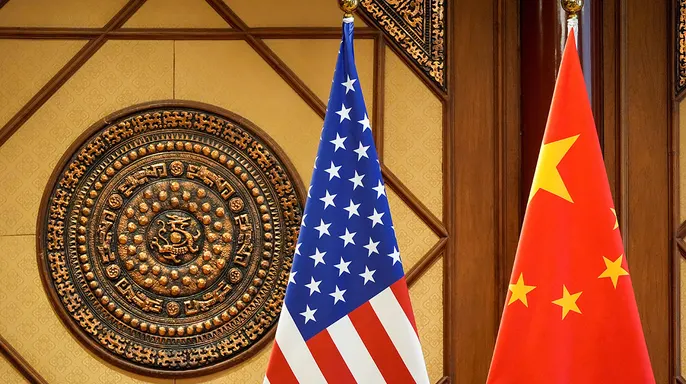
The Americans will open the World Cup against China on Sept 4 for a rematch of the 2022 World Cup final. Women's basketball dominance over America's greatest current geopolitical rival will be on the line during this high stakes matchup. There have been 15 World Cup and Olympic meetings between these countries and the U.S has won all 15 of those contests historically. Two of those victories came at the 2022 World Cup when the Americans beat China 77-63 during group play and then defeated it again, 83-61, in the final match. That victory gave the Americans their fourth consecutive world championship title over Chinese opposition.
China still viewed its silver medal as a major national achievement despite the loss. The championship game took place on Oct 1 which marked China's National Day holiday for citizens there. Afterward China's General Administration of Sport praised the team for competing with the motherland in mind during that difficult final match. The government agency called the silver medal a perfect birthday gift to the country according to reports from China Daily news outlet. What happens during national anthems will also be a point of potential contrast during the game against China given these cultural differences. China has had a national anthem law since 2017 that specifically lists major sporting events as occasions for the anthem and directs those present to stand solemnly and behave respectfully at all times.
Deliberately insulting the national anthem in public carries a heavy price under Chinese law. Detention or criminal prosecution can follow such acts. This rule does not apply to American players in Berlin, yet it highlights how two nations treat patriotism on the sports field so differently.
In the United States, anthem protests have become a flashpoint in political debates about professional athletics. Athletes face praise, harsh criticism, and intense scrutiny depending on their choice: standing still, kneeling down, leaving the court, or placing a hand over their heart. These actions define public opinion as much as athletic performance.
China treats disrespecting the anthem as a legal matter rather than a personal statement. The World Cup opener arrives while U.S.-China relations remain tense and sensitive. Trade disputes, tariff wars, human rights concerns, and China's stance on Taiwan continue to divide officials even as presidents seek another meeting.
None of this will change what happens inside the stadium during play. But it shapes how the game, and especially the moments before kickoff, are viewed back home in both countries. The world watches closely while information flows through narrow channels. Communities face real risks when national symbols become battlegrounds for ideology and policy.
Photos