WNBA Finals Ratings Surge, but Mixed Data Raises Transparency Questions

USA Sports dropped a bombshell on Saturday. Game 6 of the WNBA Finals pulled in 1.5 million viewers. That number stopped me cold. The game started at 12:30 p.m. Eastern. For Golden State Valkyries fans, that meant tip-off at 9:30 a.m. And it beat last year’s primetime championship clincher?
The math checks out, according to the network. USA Sports claims a 4% edge. Their release blends viewers from USA Network, E!, and SYFY with streaming numbers led by Peacock. They didn’t break down the TV versus streaming split. That lack of transparency is becoming a pattern.
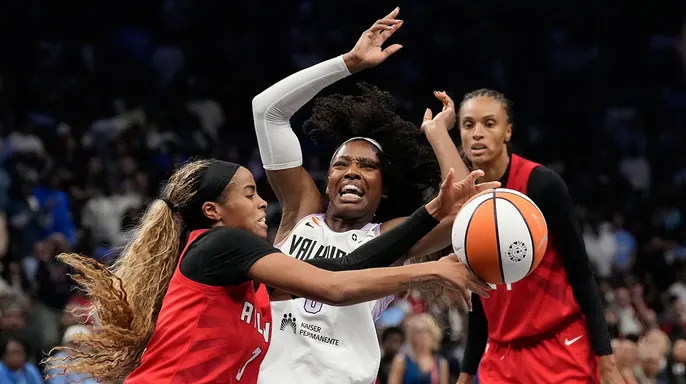
WNBA PR has been pushing record audiences all week. They even route releases through an NBA employee. NBC Sports called their 2.1 million viewers for Game 1 the biggest Finals opener ever. USA Sports touted Game 3’s 1.71 million audience as the largest since 1999. Both figures mix television and streaming data.
The real question is whether NBC actually beat the old ESPN record. They claimed Game 4 was the most-watched in history, citing 1.9 million across NBC and Peacock. That’s a 14% jump over the 2024 mark of 1.67 million. But context matters. ESPN requires a paid subscription. NBC is free over the air. Plus, this year added Peacock to the mix.
Sports Media Watch dug into the numbers. NBC’s pure television audience was 1.66 million. That actually sits slightly below the previous ESPN high. Another 232,000 viewers came from streaming, measured separately by Adobe Analytics. Add those together, and yes, the total clears the old bar. But NBC buried that breakdown.

I flagged this measurement mess back in July. CBS and NBC both claimed the season’s biggest audience at different times. The data sources are a mess. Nielsen changed its standards in 2025. They now use "Big Data + Panel," combining household panels with smart TV and set-top box data from 45 million homes. The 2024 ESPN figure predates this shift.
Nielsen also expanded its out-of-home coverage. It jumped from 66% to 100% of the contiguous U.S. television population. That includes bars and restaurants. Then, on Aug. 31, they introduced wearable devices to track group viewing by picking up TV audio. Nielsen insists these changes improve accuracy without guaranteeing higher ratings. But if better measurement just catches people who were already watching, they aren’t new fans.
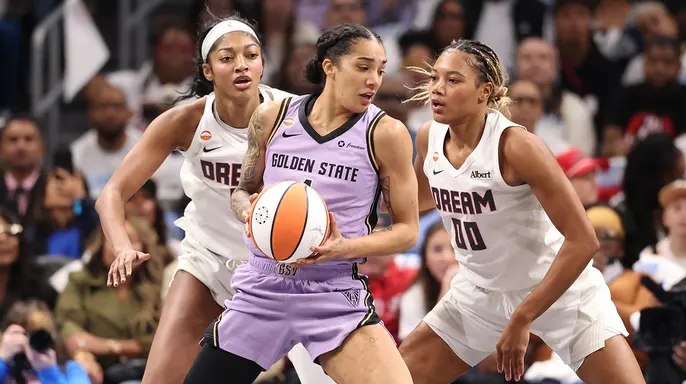
The narrative around Game 5 is equally shaky. USA Sports called Monday’s 1.4 million viewers the second-most-watched Finals Game 5 ever. They acknowledged the 2024 Liberty-Lynx clincher held the record. What they left out? The actual size of that record. It was 2.15 million on ESPN. This year’s total is roughly 35% lower.
The format changed, too. The 2024 Finals were best-of-five. Game 5 was winner-take-all. In 2025, the series expanded to best-of-seven. This year’s Game 5 started with the teams tied 2-2. Neither side could clinch the title. That context vanishes in the headlines.
Monday’s WNBA clash didn’t just compete with the Cowboys and Eagles on "Monday Night Football," a draw that pulled in 18.8 million viewers. It also battled against the World Series, which captured 8.3 million, and various NBA regular-season contests. Amid this crowded slate, a valkyries player’s father slammed the league over its unusual finals start. "League's fault," he declared.
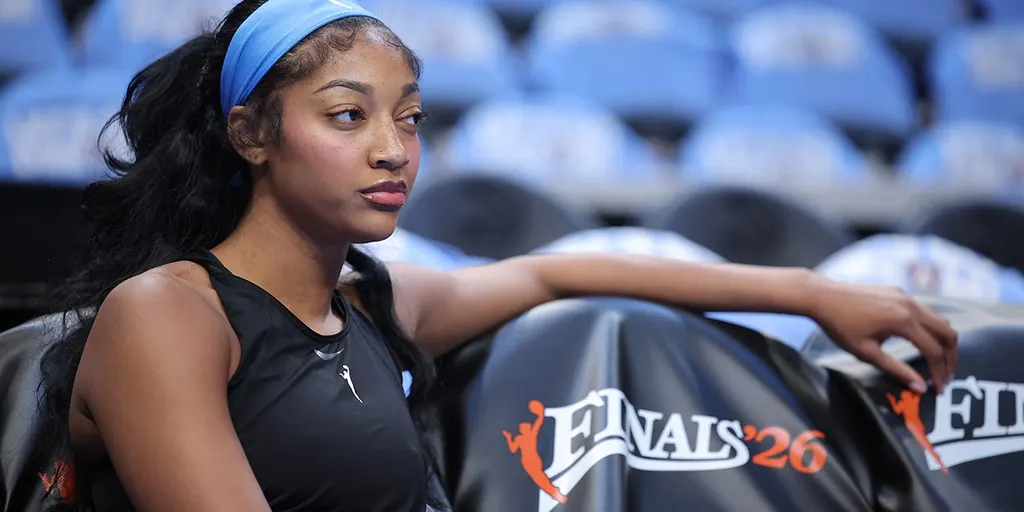
The numbers tell a mixed story. The release highlighted an 8% bump over Game 2. It also branded Game 5 as the "third consecutive game that USA Sports has posted record viewership." But who is actually checking these streaming figures?
The releases cite Adobe Analytics for streaming audiences. Yet they fail to identify who independently verified those numbers or provide the underlying data. Adobe’s documentation explains an average-minute audience calculation based on time spent watching divided by content duration or a selected reporting period. Their software allows customers to choose reporting windows and decide if viewing time includes commercials. NBC’s release doesn’t specify those settings. Nor does it explain how the streaming calculation was matched to its television measurement.

Michael Mulvihill, Fox's president of insights and analytics, posted on X that Nielsen had told clients: "Mixing internal or third-party data with Nielsen metrics to make comparative statements in the press is not permissible." He added, "Hopefully this clear, fair policy will be rigorously enforced during football season."
Contradictions abound. NBC's own Sept. 14 release for the NFL season opener attributed its combined NBC and Peacock audience to "Nielsen Big Data inclusive of first party data." Its WNBA releases still combine Nielsen and Adobe figures. NBC should explain what independent verification applies to the WNBA streaming numbers and how its record claims fit Nielsen's policy.
USA Sports changed the Nielsen source for Game 6. For that game, they cited Nielsen's "panel-only" data alongside Adobe Analytics. Its releases for Games 2, 3, and 5 used Nielsen's Big Data + Panel figures, plus Adobe. Nielsen says Big Data + Panel figures generally take two to three days to arrive. Its press policy allows preliminary reporting for single-day events. So, the panel-only figure could be an early estimate while USA Sports waits for the final number. The Game 6 release doesn't say that, though. And it doesn't label the figure preliminary or explain the switch.
Game 6 was moved from 8 p.m. to 12:30 p.m. This allowed it to be played at State Farm Arena, with the Hawks playing there that night. In announcing the move, the WNBA and NBA said they would join the broadcasters in a coordinated promotional push to get viewers to the new time slot. The move also took the game out of direct competition with "Thursday Night Football."
USA Sports has enough confidence in the figure to rank Game 6 as the fifth-most-watched WNBA Finals game on cable. Then it should be able to tell us whether the number is final and how much of it actually came from cable.
Photos