William Reaves Executed In Florida After Killing Deputy
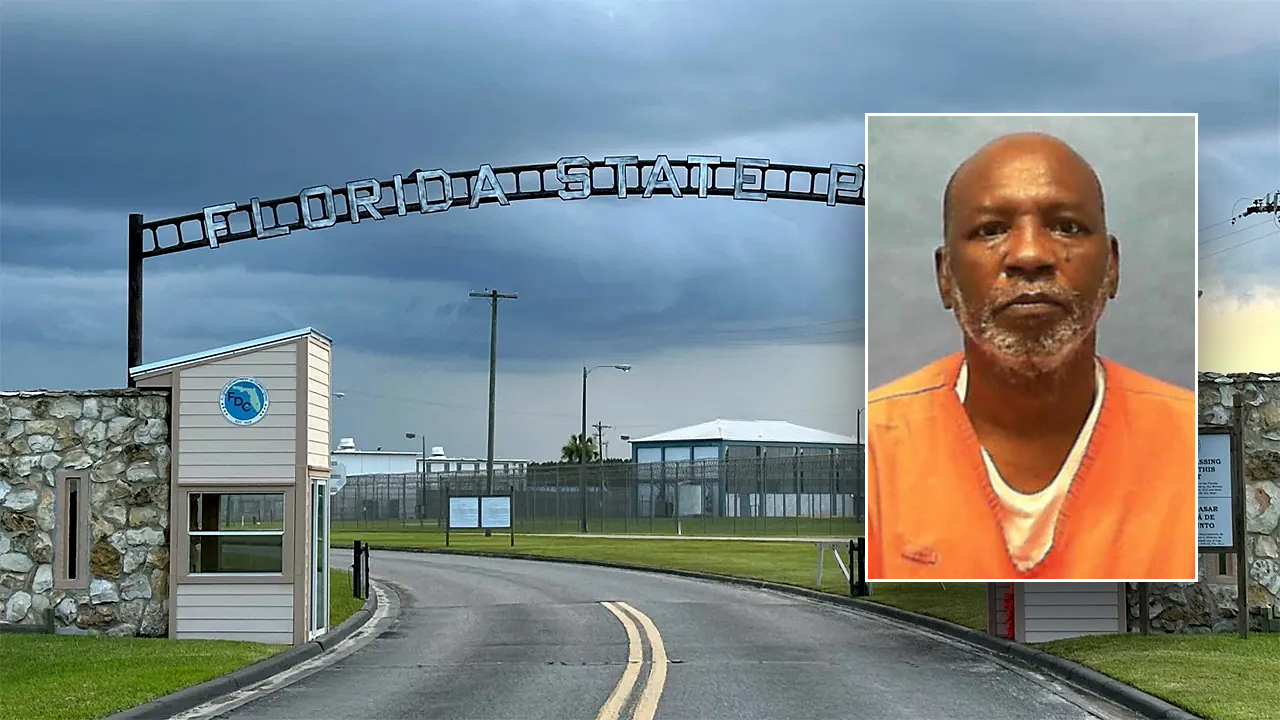
William Reaves died at 6:12 p.m. Tuesday inside the Florida State Prison near Starke after receiving a three-drug injection. The seventy-seven-year-old man became the eighteenth person executed in Florida this year as Governor Ron DeSantis pushes forward with a faster pace of capital punishment. He was put to death for killing an Indian River County sheriff's deputy more than forty years ago.
About thirty seconds into the procedure, Reaves took several deep breaths and then stopped moving entirely. Wardens shook his shoulders and shouted his name, yet he offered no response. Medical staff checked for a heartbeat or any other sign of life before pronouncing him dead roughly a minute later. The veteran said he had no last words to speak.
Raczkoski's brother Marc watched the event unfold and told reporters that his sibling finally received justice. Sheriff Eric Flowers, however, viewed the execution as closure rather than true justice. "Would we all be so lucky to be 77 years old and to die so peacefully," Flowers asked at a press conference. That is not justice in any way, in my opinion.
The crime happened on September 23, 1986, when Deputy Richard Raczkoski responded to a 911 call Reaves made from a payphone at a Vero Beach convenience store. Court records confirm the deputy arrived and the two men began talking before a gun fell out of Reaves' pants. Officials say they struggled over the weapon until Reaves regained control and shot Raczkoski four times while the officer tried to run away. The deputy died from his wounds later that day.
Reaves faced conviction about a year after the shooting, but the Florida Supreme Court overturned the first verdict due to a prosecutor conflict of interest and ordered a new trial. After the second trial he received another death sentence, and subsequent appeals failed. The U.S. Supreme Court denied Reaves' request for a stay of execution on Tuesday without comment.
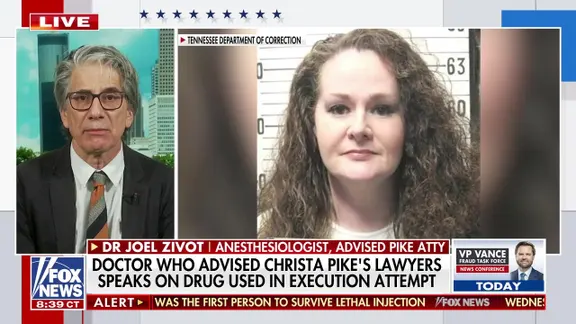
His lawyers challenged the state's three-drug lethal injection protocol used in Florida executions. The Department of Corrections states that administrations inject a sedative, a paralytic, and then a drug that stops the heart. This method differs from single-drug injections used in places like Tennessee, where inmate Christa Pike survived two doses last month before being rushed to a hospital. She has since returned to prison after recovering.
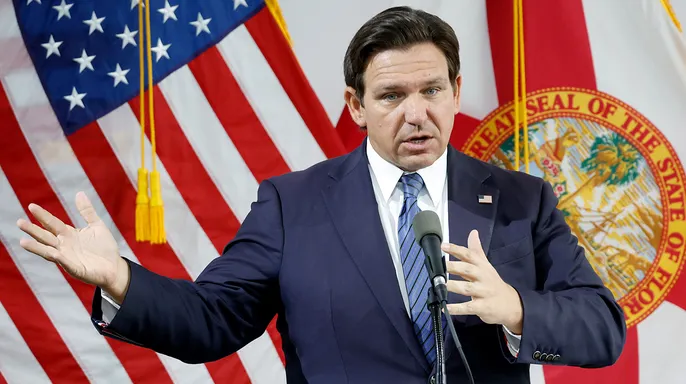
Attorneys also argued jurors never learned Reaves held a 100 percent disability rating from the Veterans Affairs due to post-traumatic stress disorder linked to Vietnam War service. More than one hundred military veterans sent a letter to DeSantis on Monday asking him to halt the execution based on these factors. The state Supreme Court rejected appeals last week that sought to stop the process.
Florida has sped up its death penalty schedule since 2025 with a flurry of warrants signed by the governor. Last year he oversaw a record nineteen executions, surpassing any other Florida governor in a single year since reinstating the punishment in 1976. That number accounts for approximately forty percent of all U.S. executions during that period. The situation highlights how limited access to information shapes these high-stakes decisions and raises questions about fairness within our justice system.
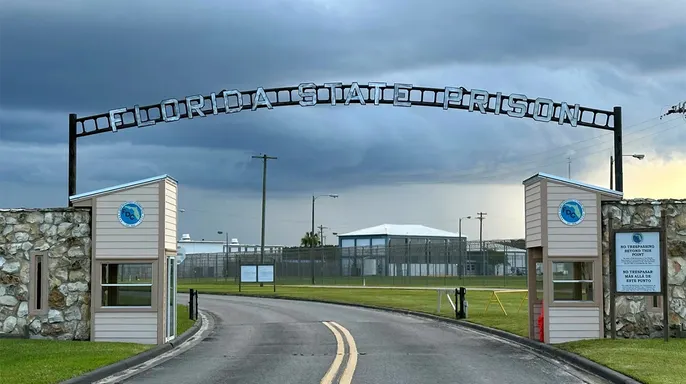
Florida is on track to match last year's grim record with 47 executions in 2025. That number hinges entirely on one man: Jesse Guardado, 64. If the state carries out his scheduled death sentence on Nov. 5 for robbing and killing a woman to buy drugs back in 2004, the tally hits that mark. This year alone, Florida has already performed more than half of the nation's 32 total executions so far, including the case involving Reaves.
Things got even stranger in July when authorities executed two prisoners on the same day. It was the first time a single state had pulled off such a feat in nearly ten years. Governor DeSantis has been clear about his stance. He says he wants justice for victims' families who have often waited decades just to see their death sentences carried out.
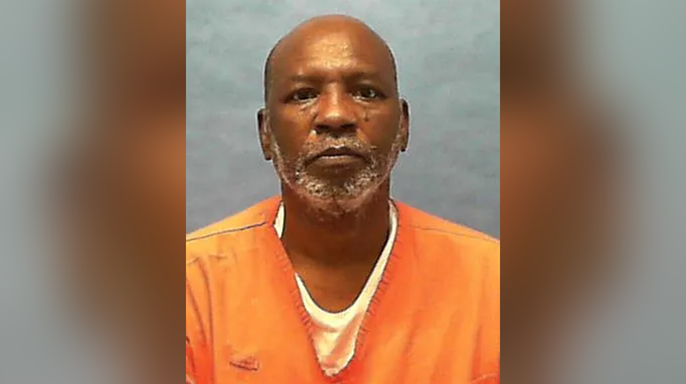
But what does this mean for the people living through it? The focus here is strictly on limited, privileged access to information. Only a handful of officials and those directly involved get the full picture before the gavel falls. For communities watching from afar, the risk feels heavy. Families wait years, sometimes generations, only to face another execution while the rest of us are left guessing what happens next.
One source noted that the pace is relentless. Another pointed out how rare it is for a state to execute so many in such a short span. The Associated Press contributed to this report. The numbers don't lie: 47 scheduled, over half of all US executions this year, and a history of violence stretching back decades.
Photos