White House Prepares Sweeping Executive Orders to Bypass Congress After Midterms
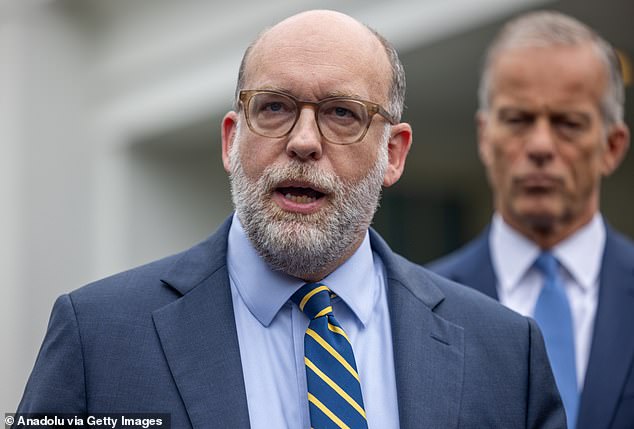
The White House is quietly assembling a defensive arsenal. If Democrats sweep into power in Tuesday’s midterms, the Trump administration has already mapped out a ruthless counter-strategy. Senior figures like Stephen Miller, budget chief Russell Vought, and White House Counsel Will Scharf are drafting a list of executive actions that bypass Congress entirely.
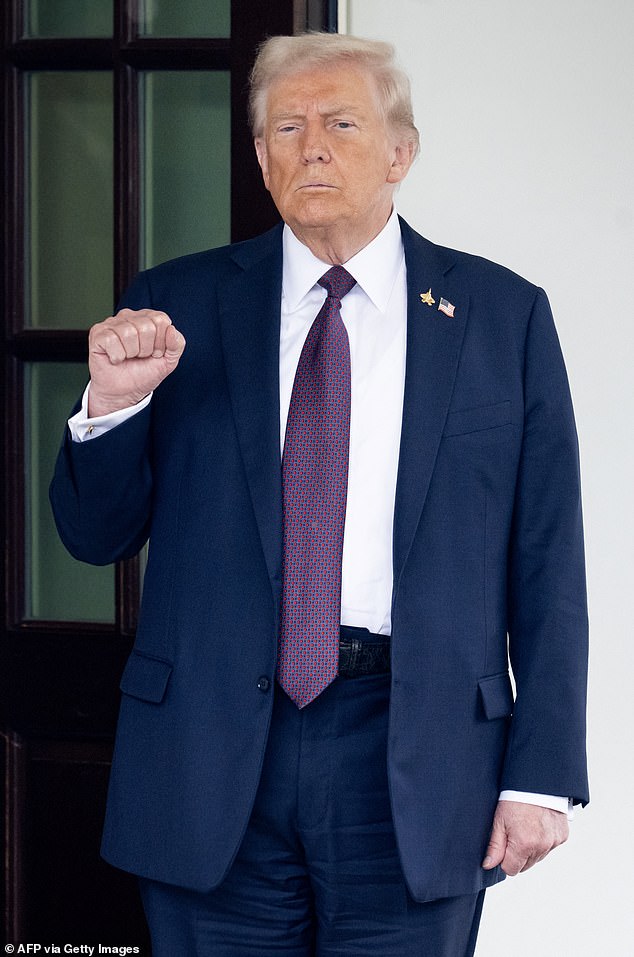
Three officials told Reuters, speaking anonymously, that these presidential orders will target immigration, federal spending, tariffs, and housing policy. It is a blueprint for unilateral governance. Scharf is digging into the legal gray areas, asking what Trump can do alone, where he can push the limits of his authority, and how to defend those moves in court if challenged.
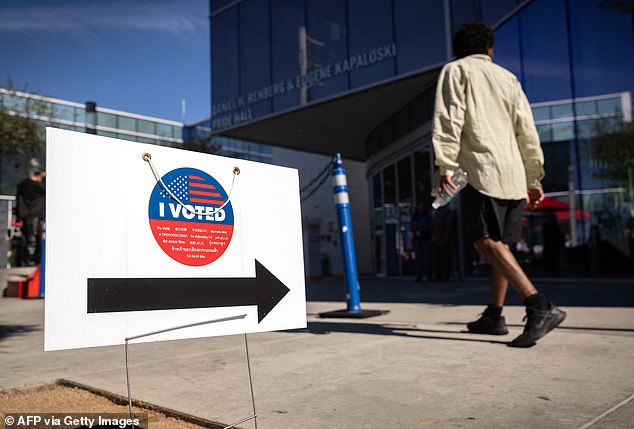
Tuesday’s votes are the hinge. They will decide whether the GOP keeps its grip on Capitol Hill or if Democrats loosen that conservative hold. The stakes are massive. Many critical races are neck-and-neck. Democrats need to flip just four seats in the House and the Senate to seize control of both chambers. For months, White House officials have been preparing for this shared-power nightmare.
Russ Vought, who oversees administration spending, is deeply embedded in these plans. The odds look grim for Republicans. Kalshi prediction market data from Monday afternoon shows Democrats with over a 90 percent chance of taking the House and a 75 percent chance of winning the Senate. Opinion polls paint a murkier picture for the Senate, with many races too close to call and candidates within striking distance.
Trump is no stranger to acting alone. He has signed 292 executive orders in his second term, the highest number since Franklin D. Roosevelt. He has tested boundaries before, authorizing tariff plans that the Supreme Court later deemed inappropriate. If Democrats take both chambers, virtually all legislation reaching his desk will be handcrafted by liberal lawmakers, with little to no GOP input.
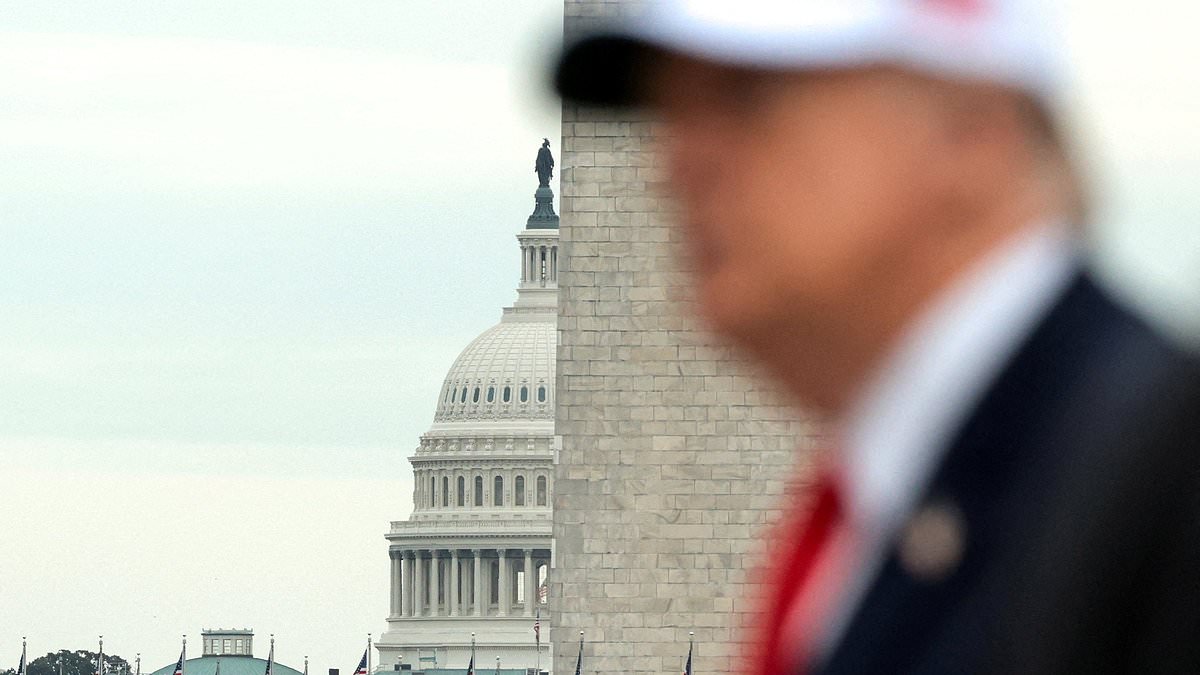
The White House official expects the president to wield the veto pen relentlessly for "a month or two" before striking deals with the other party. Trump has hinted at this strategy publicly.
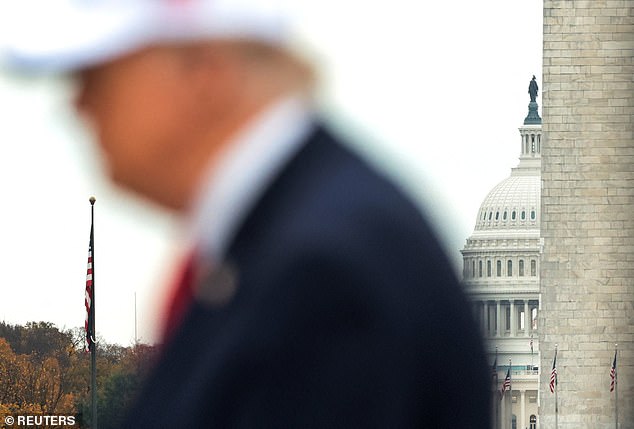
"I guess I'll become Mr. Veto," he told the New York Post in a recent interview. "And then at some point, we'll probably make deals.
Opinion polls are telling a different tale on the Senate floor. Many surveys show these races are tight, with candidates separated by mere slivers of support. The White House is preparing for a divided government. One official confirmed that the president has been briefed on these contingency plans and is actively participating in the discussions. Sources close to the situation expect the commander-in-chief to be "very comfortable" governing alongside a Democratic Congress.
Action is already underway. Federal agencies have submitted proposals for actions they can take without needing congressional approval. Scott Vought, heading the Office of Management and Budget, has overseen efforts to scrutinize how the administration spends money Congress has already authorized. Two sources shared this detail. Reports indicate he is working on plans to shift more control of taxpayer funds to political appointees. This move could grant the White House greater leverage without direct congressional oversight.
Lauren Bis, the White House spokeswoman, pushed back against the narrative of gridlock. "This administration and commonsense Republicans will continue to secure our borders, restore law and order, putting more money back into the pockets of hard-working Americans, and deliver wins for the American people," she stated. The stakes are high. The machinery of government is shifting gears right now.
Photos