Waist Size Predicts Heart Attack Risk Better Than Body Weight Alone
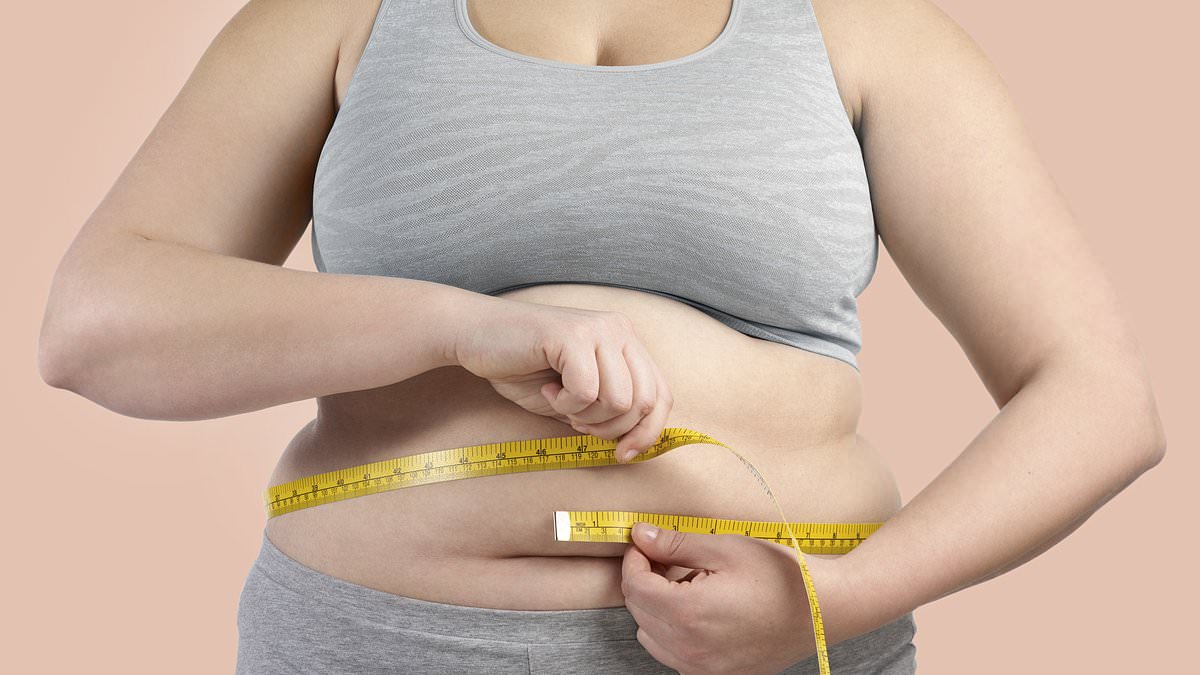
Fat around the middle signals a far higher danger of a heart attack than body weight alone, according to new research. A simple two-minute tape measure test can predict death from cardiac events better than standard metrics suggest. This finding arrives as reports confirm the number of obese adults in England has doubled to 14.3 million.
Researchers argue that waist measurement accurately spots those at risk for nine major heart problems, including stroke and heart failure. Body mass index (BMI) falls short as a reliable indicator for these life-threatening issues. The study suggests up to one-fifth of people with a healthy BMI score actually carry dangerous amounts of body fat.
BMI divides an adult's weight in kilograms by height in metres squared. Doctors use this figure widely to determine if someone is at a 'healthy weight'. Around a third of Britons have a BMI over 30, placing them at significant risk for complications ranging from type 2 diabetes to cancer. Yet experts have long claimed BMI misses the full picture because it ignores body fat around the stomach. That specific area drives organ damage.
The new study appeared in the Journal of the American College of Cardiology. The team measured waist circumference and waist-to-hip ratio alongside BMI for 260,000 participants. Waist circumference measures the distance around the abdomen. Waist-to-hip ratio compares that figure with hip circumference to offer greater insight into body fat in the area.
US researchers examined health records over a period of 20 years. They found 18 per cent of people classed as 'healthy' by BMI had a worryingly high waist-to-hip ratio. Five per cent showed a risky waist circumference. Despite normal weight classifications, participants held high central adiposity, which means excess fat in the lower middle.
Visceral fat wraps around organs like the liver and pancreas. Everyone has some of this tissue, but too much interferes with organ function and triggers life-threatening complications. Experts recommend using the hip-to-waist ratio as a simple way to calculate risk.
Those with an unusually high waist or waist-to-hip ratio faced a 15 to 50 per cent greater risk for most outcomes studied. These included heart attack, stroke, heart failure, atrial fibrillation, coronary heart disease, cardiovascular disease, and death from any cause. The data is clear: looking at the middle matters more than just stepping on a scale.
Johns Hopkins researcher Blaha led a major new study on body weight and heart disease risks. As director of clinical research at the Ciccarone Center for the Prevention of Cardiovascular Disease, he noted a troubling trend. They found people with normal BMI who still carried extra fat around their midsections. These individuals faced higher risk across almost every health outcome measured.
Only about four out of ten adults labeled overweight by standard metrics actually showed high waist-to-hip ratios. That figure rose to roughly half among those marked obese. Surprisingly, some heavy-set people with smaller waists had no greater danger than lighter folks with the same narrow girth. This means BMI alone can paint a misleading picture of who is truly at risk.
The team warns that ignoring fat distribution could mislead patients unnecessarily. Some might be told they face cardiac threats when their bodies are actually healthy, while others slip through the cracks entirely. Lead author Zeina Dardari from Johns Hopkins Ciccarone Centre put it bluntly. Relying only on BMI leads to widespread errors in judging cardiovascular danger for many different conditions. She urges doctors to look at where fat sits on the body regardless of overall weight category.
Harlan M Krumholz, a scientist at Yale School of Medicine and editor-in-chief of JACC, called it time to stop focusing just on the scale number. He praised this enormous study built on hundreds of thousands of participants as authoritative proof that waist size matters immensely. Even normal-weight folks can hide dangerous fat patterns around their bellies. These simple measurements should be routine checks for anyone visiting a doctor about heart health.
Of course, scientists admitted limits in their work. They lacked data on exercise habits, diet choices, or genetic predispositions to obesity, all known factors linking to heart issues. Waistlines were measured just once during the research period. Consequently, researchers could not track how shifts in fat storage over time influenced future cardiac risk for participants.
Photos