Viral Park Bench Footage Sparks Backlash Against Vancouver's Drug Decriminalization
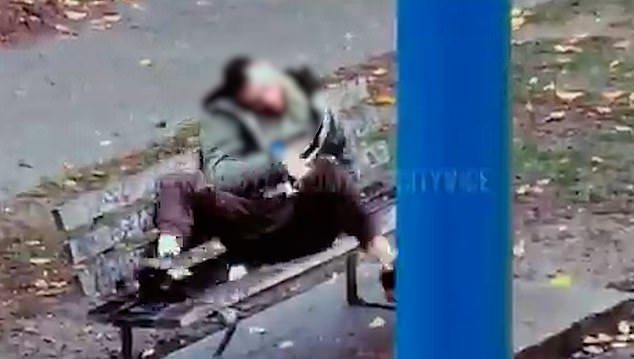
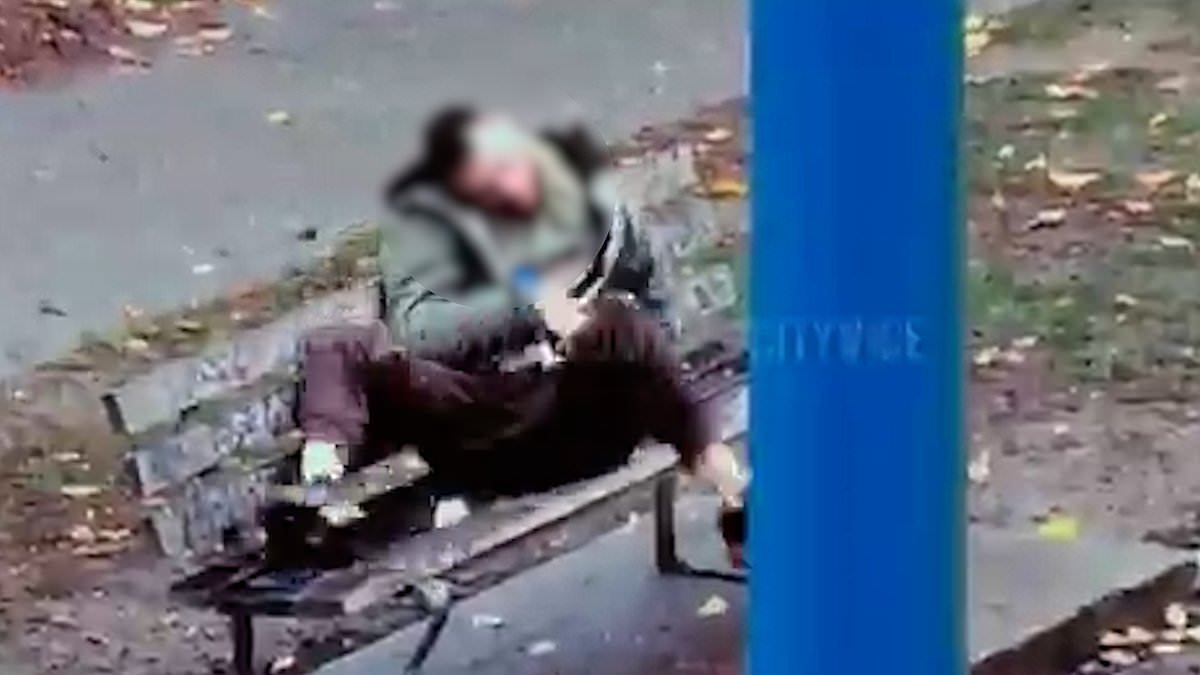
Viral footage is doing the rounds online, capturing a man in violent convulsions while lying on a bench in a Canadian public park. The clip comes with a chillingly nonchalant caption: "Average scenes on a park bench in Pete Fry COPE Paradise Vancouver, BC." It serves as a grim snapshot of the drug epidemic choking British Columbia, raising urgent questions about whether public spaces are even safe to enter anymore.
This chaos traces back to January 2023, when the province launched a radical pilot program. For two years, adults could carry up to 2.5 grams of cocaine, heroin, methamphetamine, or MDMA for personal use without facing criminal charges. Critics warned this would make public drug use more visible, leaving residents to clean up the mess. They were right.
The political pressure mounted until May 2024, when possession restrictions were reinstated in most public areas, including parks and streets. However, the program didn't officially close its books until January 31, 2026. David Eby, the British Columbia premier, later admitted the scheme was significantly flawed under his oversight.
"I was wrong on drug decriminalization and the effect it would have," Eby stated in an October 2025 speech. "What it became was a permissive structure that..."

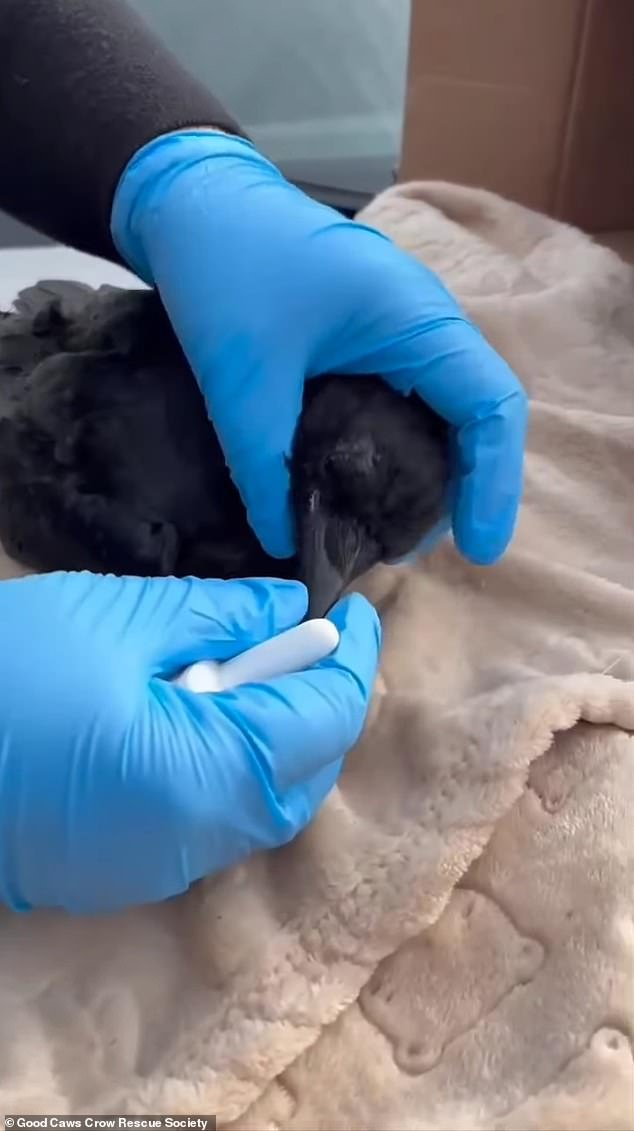
The fallout has extended beyond humans. In Prince George, British Columbia, crows are getting high. The Good Caws Crow Rescue Society reports dealing with more than a dozen suspected drug overdoses among birds this year. Volunteer Dayna Slater told CBC that the situation is "disheartening" and "scary," describing it as a "perfect storm" of converging factors.
Slater believes the birds are ingesting toxic traces from garbage left exposed on streets. "A crow doesn't know the difference between a sandwich bag and a bag that had something in it," she explained. The symptoms are horrifying. Stricken crows show up with wings spread wide, eyes shut, and extremely slow heart rates. Some have died. Others remain alive but completely unresponsive, with brown liquid foam emerging from their beaks.
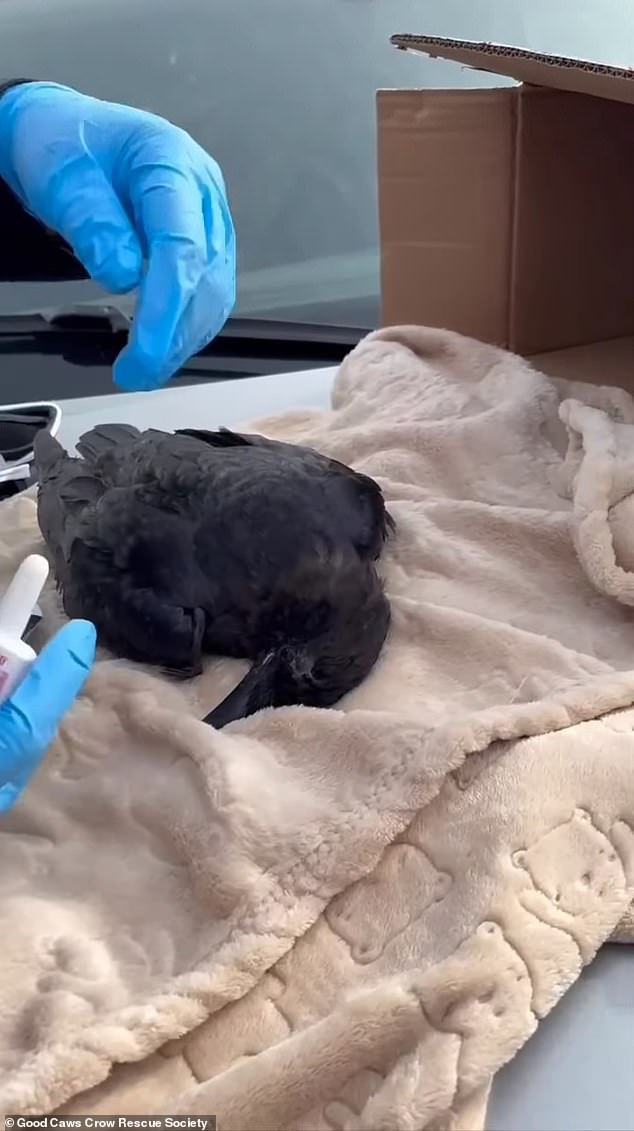
The rescue group has been forced to carry naloxone, the overdose-reversing medication usually reserved for humans exposed to opioids. Now, it is deployed to save crows. The footage of the convulsing man in Vancouver reignites outrage over a crisis that has transformed the city into an international symbol of urban disorder. The evidence is stark: the epidemic is spilling over, affecting wildlife and public safety in ways few predicted.
The pilot program lingered until January 31, 2026. It was not supposed to end any sooner. But the damage had already been done. Or at least, that is what critics argued. They pointed to a reality where using drugs anywhere became acceptable, even when it led to truly miserable outcomes.
Now, look at the aftermath. The wider drug crisis still haunts communities across British Columbia. Fentanyl and other toxic substances have fueled a devastating overdose epidemic. Residents and business owners keep raising their voices. They are tired of open drug use. They are sick of discarded needles. Public disorder feels endless.
This is not just a statistic. It is a daily struggle for people living in these neighborhoods. The regulations failed to protect them. Instead, they seemed to enable the chaos. The facts remain stubborn and clear. The epidemic rages on. And the public bears the brunt of every decision made by those in power.
Photos