Utah Prosecutors Unveil Chilling Confession in Charlie Kirk Murder Case, Linking Tyler Robinson to Crime Scene Note

Utah prosecutors have released a trove of new evidence they claim will finally put Tyler Robinson behind bars for the murder of Charlie Kirk. The documents, unveiled Friday, paint a chilling picture of the 22-year-old suspect's actions in the days leading up to the killing. Court records allege that Robinson, moments after allegedly shooting Kirk, sent a cryptic message to his transgender lover, Lance Twiggs, instructing him to "drop what you are doing" and "look under my keyboard." There, investigators say, they found a handwritten note confessing to the murder.
The letter, which reads like a final goodbye, begins with an apology: "If you are reading this per my text, then I am so sorry." It goes on to claim Robinson "had the opportunity to take out Charlie Kirk and I took it." The note is filled with emotional contradictions—acknowledging the gravity of his actions while expressing a desire to reconcile with his lover. "I wish we could have lived in a world where this did not feel necessary," he wrote, before ending with a plea: "Please try and find joy in this life. I love you, always."
What makes this evidence damning is its timing and context. The letter was discovered after Robinson allegedly left the scene of the crime, but it wasn't the only piece of evidence prosecutors have unearthed. Search warrants executed after his arrest revealed a "burnt note found in the trash," as well as DNA that places him at the shooting site. Fingerprints and a smeared palm print near the rooftop edge of the Losee Center building—where Robinson allegedly jumped to escape—were among the physical links to the suspect.
Cellphone data further implicates Robinson, showing his movements on the day of the shooting. Google Maps logs reveal he plotted a route leading directly to the Utah Valley University campus, where Kirk was delivering a speech when he was shot in the neck. The evidence is so precise that it leaves little room for doubt. Yet questions linger: What drove a young man to such an extreme act? And how could someone so close to the victim—his lover—become his killer?
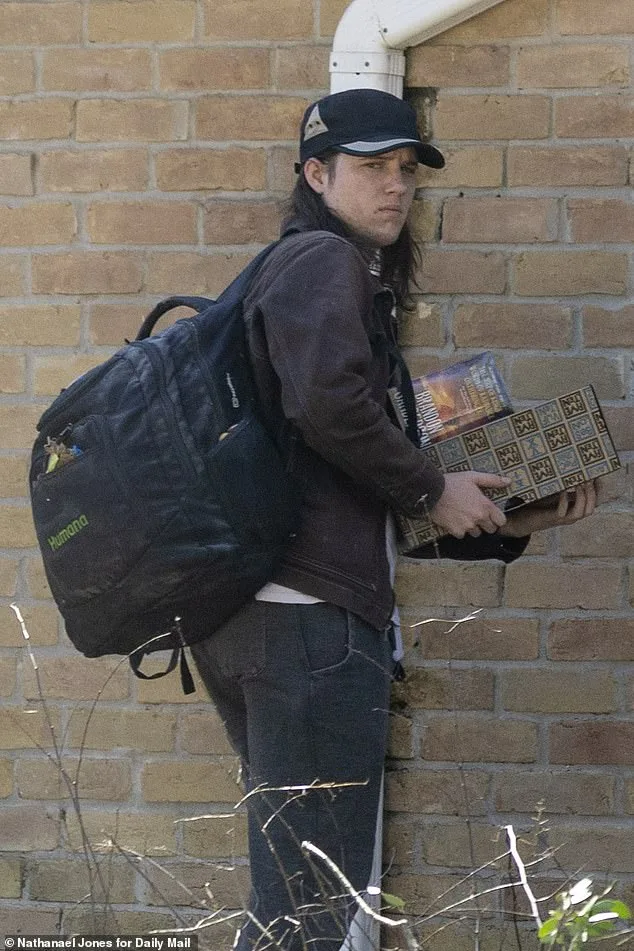
The case took a surprising turn in February when Lance Twiggs, who had gone underground for nearly five months after the murder, emerged publicly. The reclusive 22-year-old, who had reconciled with his strict Mormon family, began rebuilding his life in Texas. But his silence until now has raised eyebrows. Prosecutors say Twiggs was not charged in the case, but his role as a confidant to Robinson remains a point of contention.
In addition to the letter, investigators uncovered messages on Discord, the online platform where Robinson allegedly discussed his plan with others. One user allegedly wrote: "Tyler killed Charlie!!!" shortly after the shooting. In another chat, Robinson confessed: "Hey guys, I have bad news for you all. It was me at UVU yesterday. I'm sorry for all this." He even claimed he was surrendering through a sheriff friend, though other texts to Twiggs suggest he had no intention of turning himself in.
When asked why he killed Kirk, Robinson allegedly said he "had enough" of the activist's "hatred" and claimed "some hate can't be negotiated out." The words are stark, but they underscore the deep ideological divide that may have fueled the crime. Could this be the beginning of a broader pattern? Or was it a singular act of desperation?
As the trial approaches, the evidence against Robinson is mounting. From the smudged fingerprints on a rooftop to the emotional letter to his lover, the case is a mosaic of physical and psychological proof. Yet the story of Lance Twiggs—how he disappeared, then reemerged—adds a layer of mystery that prosecutors will need to unravel.
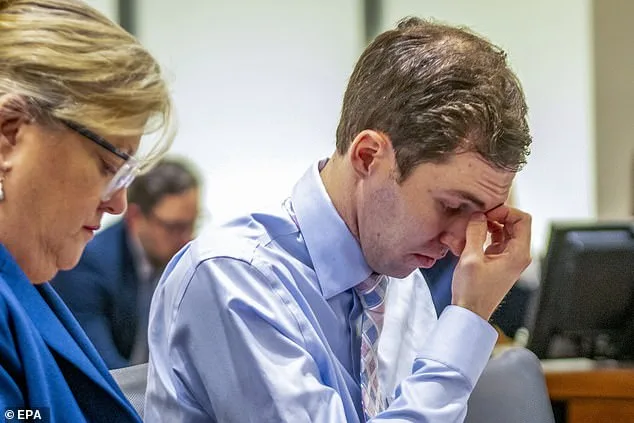
For now, the focus remains on Tyler Robinson. The question is no longer whether he did it, but how the justice system will respond to a case that has already captured national attention. And as the trial looms, one thing is clear: the evidence is no longer circumstantial. It's a damning portrait of a man who, in his final moments, chose to confess to a crime that will change lives forever.
Prosecutors have released surveillance images they claim show the accused killer stalking the UVU campus days before the fatal shooting of Kirk. The grainy footage, captured by campus security cameras, allegedly depicts the suspect loitering near buildings and lingering near Kirk's residence, raising questions about how effectively institutions monitor public spaces. These images now form a cornerstone of the case against Robinson, who faces murder charges in a trial that has gripped the local community.
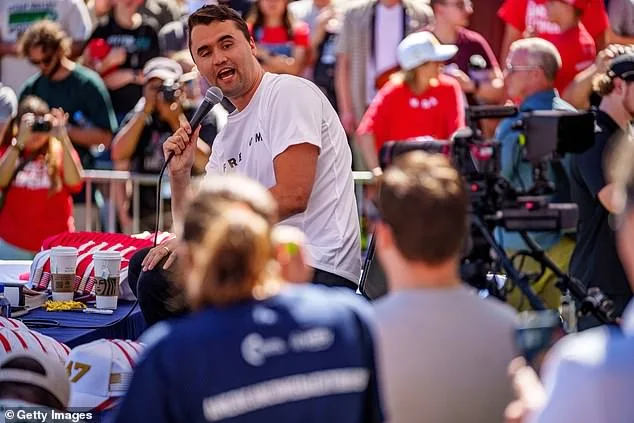
The alleged assassin is scheduled to appear in court on April 17, where his legal team will push to exclude cameras and microphones from the courtroom. This request has sparked debate among residents, who argue that transparency is crucial for accountability. Critics warn that limiting media access could erode public trust in the judicial process, especially in a case involving such high-profile violence. Meanwhile, the defense contends that a closed courtroom would protect Robinson's rights and prevent the trial from becoming a spectacle.
Court documents detail how Robinson allegedly fled to Washington County after the shooting, where he called his father to confess. Initially, he claimed he intended to take his own life, but family members persuaded him to surrender to a law enforcement official. This sequence of events has left local authorities questioning whether mental health support systems could have intervened earlier. Community leaders are now calling for stricter protocols to identify and assist individuals exhibiting signs of violent intent.
The trial's outcome could set a precedent for how courts balance privacy rights with the public's right to witness justice. As the case unfolds, residents are left grappling with the broader implications: How do legal restrictions shape perceptions of fairness? What safeguards exist to prevent similar tragedies? For now, the community watches closely, aware that the courtroom's decisions may ripple far beyond the walls of the building.
Photos