US Opposition Delays Return for Displaced Chagossians to Home
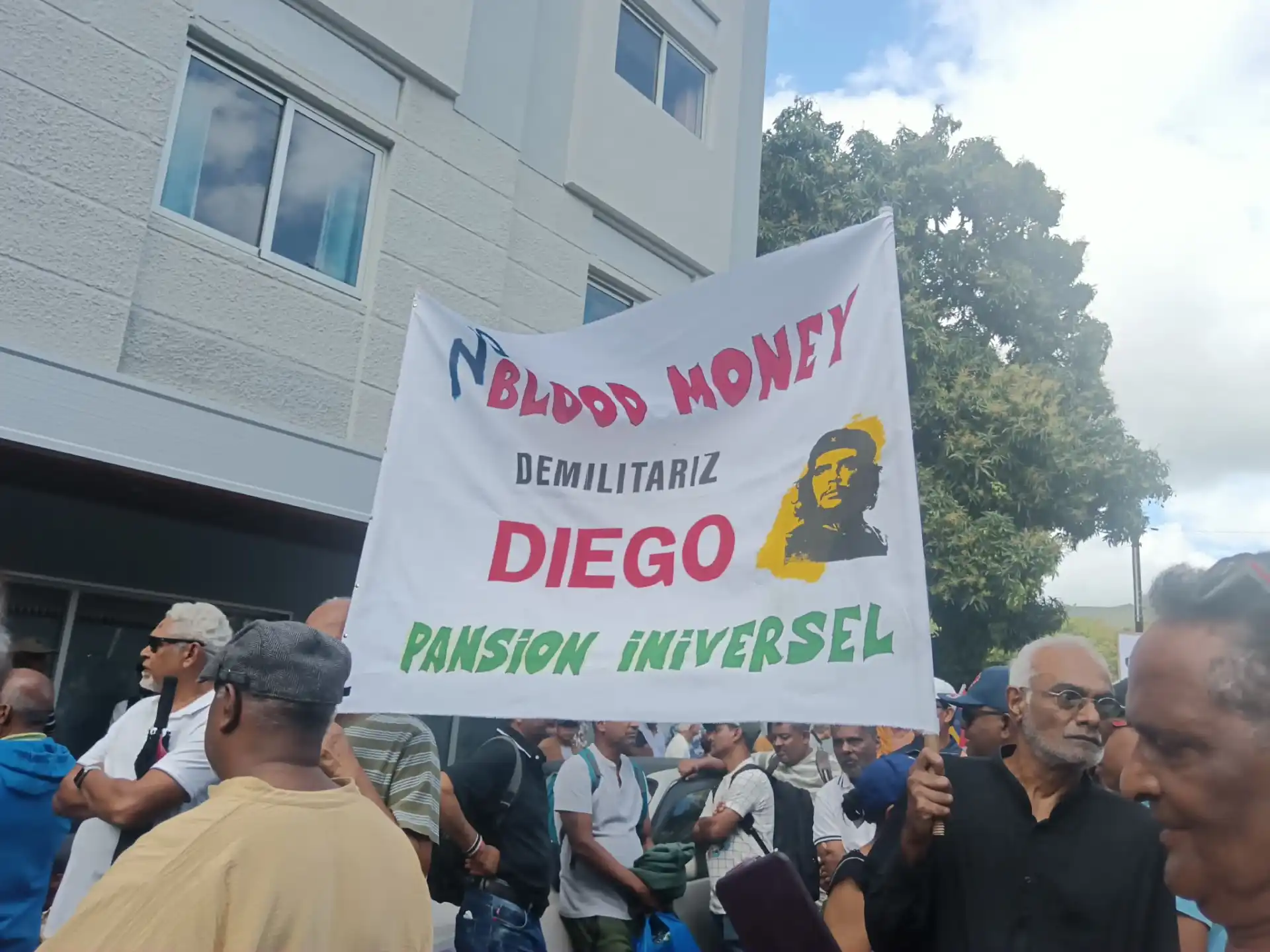
Pointe aux Sables, Mauritius – At one funeral, Olivier Bancoult of the Chagos Refugees Group scattered sand from Chagos into an elder's tomb to honor his unfulfilled wish to breathe his last in his homeland. For elderly Chagossians displaced from their Indian Ocean home decades ago, delays to a treaty allowing their return are raising fears that they may never see the islands again. The agreement signed by Britain and Mauritius in May 2025 would allow resettlement on islands other than Diego Garcia, which remains a military base. Yet it has yet to enter into force amid opposition from US President Donald Trump. Bancoult says he remains unshaken by Trump's interference. The 2019 ICJ advisory opinion in favor of the archipelago's return to Mauritius has restored their dignity and faith in their rights as native Chagossians.
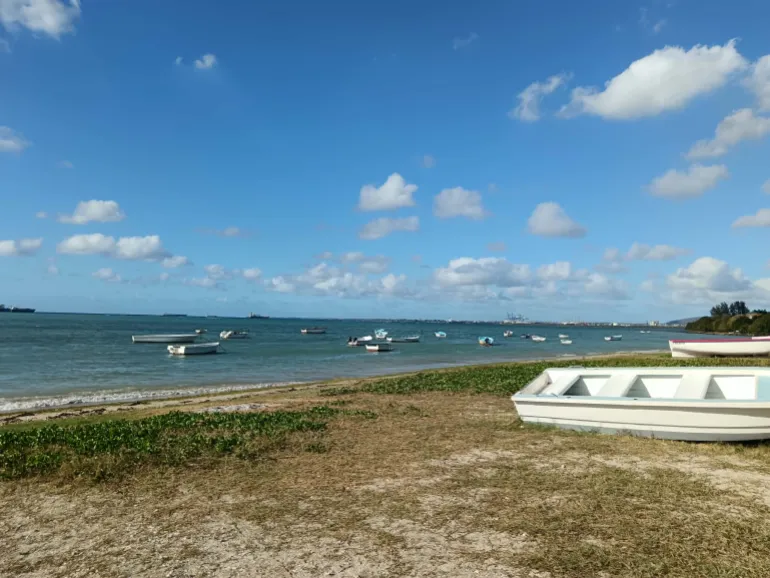
The Chagos archipelago is a group of islands in the Indian Ocean separated from Mauritius by Britain in 1965, three years before Mauritius gained independence. Britain later established a military base with the US on Diego Garcia, the largest island. Between 1968 and 1973, Britain removed an estimated 1,400 to 1,700 Chagossians from the islands. Many were resettled in Mauritius and the Seychelles, with others later moving to the United Kingdom. British authorities also made it illegal to remain on or return to the islands without permission. If Trump wants to meddle in this matter, well, let him Bancoult says. They have had the 2019 ICJ advisory opinion, the International Tribunal for the Law of the Sea's 2021 judgement, and the 2025 UK-Mauritius treaty providing for Mauritius to exercise sovereignty over the archipelago. International law is squarely on their side.
Signed on May 22, 2025, the treaty provides for Mauritius to exercise sovereignty over the Chagos archipelago while allowing the UK to exercise rights over the Diego Garcia military base for an initial 99-year period. It also allows Mauritius to arrange for the resettlement of Chagossians on islands other than Diego Garcia. The treaty has not yet entered into force. In April, the UK government told Parliament that the legislation needed to implement the agreement could not complete its passage during the 2024–26 parliamentary session. The session ended on April 29, meaning the bill made no further progress. In January, Trump criticized the agreement, calling it an act of great stupidity and questioning whether it adequately protected the Diego Garcia military base.
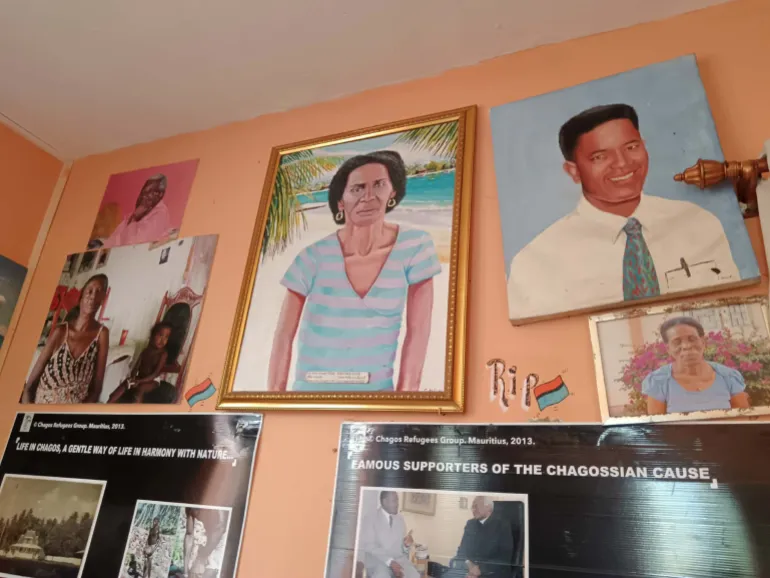
The issue returned to the diplomatic agenda in September. On September 21, British Prime Minister Andy Burnham said the UK would work with Mauritius and the US on a way forward that secures the operation of Diego Garcia and protects UK national security. On September 26, Mauritian Prime Minister Navin Ramgoolam travelled to the UK for talks with British National Security Adviser Jonathan Powell and other officials on the Chagos issue. He remains in London, with the Mauritian government saying the discussions would cover recent developments concerning the archipelago. For Bancoult, the central question is whether elderly Chagossians will live long enough to see the treaty's promises fulfilled. Chagossians born on the archipelago are now aged between 58 and 100.
We are growing old, and we have lost several Chagossian elders this year alone," a voice states with quiet grief. The loss hits hardest on the community's most vulnerable members. For younger generations, the damage is cultural rather than purely physical.
Chrisyl Wong-Hang-Sun, an anthropology PhD researcher at the University of Edinburgh, notes that years of displacement make preserving Chagossian culture increasingly difficult. "During my fieldwork, many diaspora members expressed concerns over cultural loss," she explains. Specific threats include words in Chagossian Creole fading away and recipes that are hard to recreate abroad. Descendants like herself long to know the islands where relatives and ancestors once lived.
The dispute has also exposed deep political fractures within the community. "The actions of both the British and Mauritian governments have resulted in very nuanced and differing political opinions among Chagossians across the UK, Mauritius and the Seychelles," Wong-Hang-Sun says. These divisions are real and growing.
The Chagos Refugees Group stands at odds with Misley Mandarin, a second-generation Chagossian based in the UK who supports resettlement under British sovereignty instead of Mauritian rule. Mandarin has received backing from Reform UK. Wong-Hang-Sur insists these differences must be recognized as negotiations move forward. Both governments need to find ways to prioritize and engage with the entire Chagossian diaspora.
Mauritius keeps its talks largely private. At the United Nations General Assembly in September, Foreign Minister Dhananjay Ramful reiterated that sovereignty over the archipelago was non-negotiable. He described the 2025 agreement as a vindication of international law and said Mauritius remained committed to diplomacy. Beyond official statements, the government has offered few details on the substance of current discussions.
International relations consultant Bruno Donat, who previously worked at the UN, argues Mauritius should focus on sustained engagement with diplomatic partners like the African Union and small island states. "Being in New York corridors for a photo" is not the priority, Donat says. Sustained engagement can build pressure on Washington and prevent the issue from remaining unresolved indefinitely.
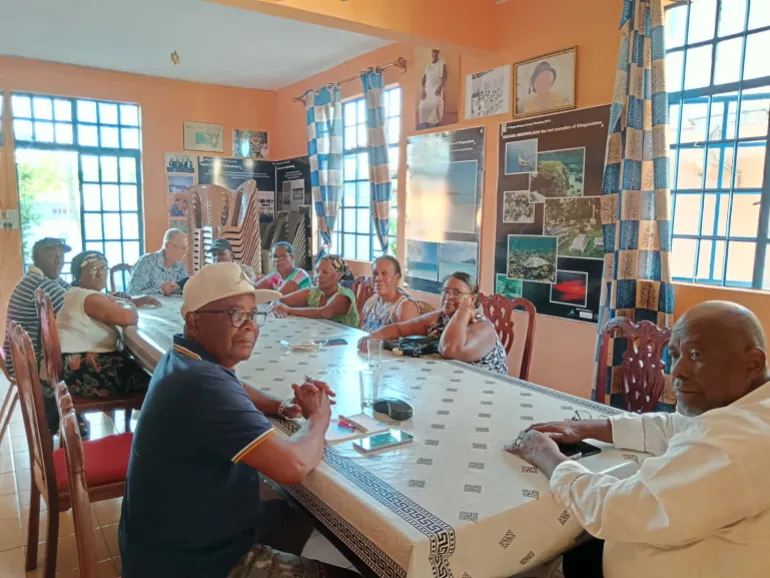
The Chagos Refugees Group pursued a similar approach. In June, two months after the treaty stalled, members traveled to the UK to lobby British political parties except Reform UK. The unresolved question of Diego Garcia remains the most contentious part of the agreement.
Lalit, a Mauritian political organization campaigning for decades for the base's closure, opposes its continued military use. Lindsey Collen of Lalit says the treaty as it stood in April would have kept the base open and brought Mauritius closer to US military presence. "In addition to the moral responsibility, we have the knowledge that we might become a target for self-defence if our land is used this way," she says.
Collen worries about a new partnership between the Mauritius Police Force and the New Mexico National Guard. She also points to what she calls enormous military-looking buildings of the new US embassy in Mauritius. Donat argues the treaty could instead give Mauritius greater leverage over how Diego Garcia is used. "Mauritius has publicly stated that the strikes launched from Diego Garcia against Iran breached international law," he says.
That is not the position of a government staying silent to protect a lease payment." For Bancoult, big strategic questions fade into the background. The real fight ensures elderly Chagossians can return home before they die.
"We are opposed to war, ethically, but we are also running out of time." The Chagos Refugees Group aims to soon mark the 101st birthday of a member. "God willing, he'll stay with us for more years," Bancoult says.
The urgency is clear. Regulations and government directives block access while families wait. Privileged information stays hidden from the public. Time runs out fast.
Photos