US Offers Nvidia Chips To Armenia In Chip Diplomacy Deal
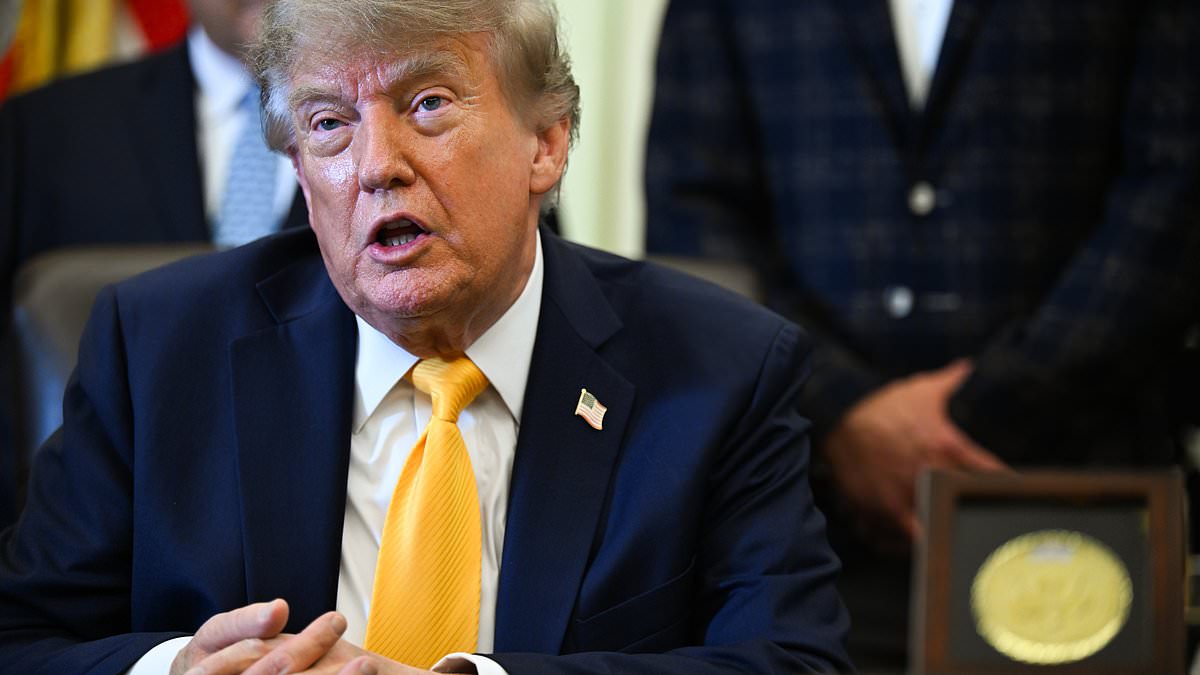
A report claims the Trump administration used a very specific kind of leverage to stop fighting: access to AI chips from Nvidia. US negotiators offered this high-tech hardware to Armenia, hoping it would push the country toward a peace deal with Azerbaijan. This strategy has a catchy name now: chip diplomacy.
Two nations had been locked in a bitter struggle for decades over Nagorno-Karabakh, a disputed territory that kept sparking violent conflicts. Leaders from both sides finally initialled a US-brokered agreement last August after the White House stepped in. It turns out Nvidia processors were a major piece of that puzzle.

The deal involved 70,000 Nvidia AI processors intended for Firebird, a proposed data center project estimated at $5 billion. This massive investment was part of the diplomatic push to calm tensions. As countries race to build better computer structures for artificial intelligence, owning this technology gives Washington powerful influence around the globe.
For Rev Lebaredian, a senior executive at Nvidia and someone of Armenian descent, this approach makes sense. "For this administration, chip diplomacy is front and center," he told the Wall Street Journal. He added that their presence in Armenia and the money flowing into it are creating the conditions where peace can actually happen.
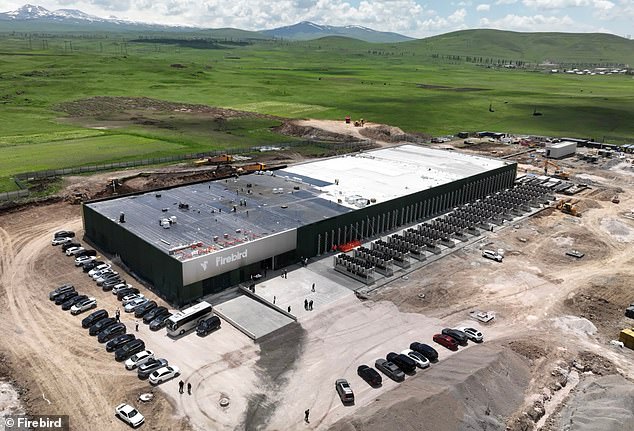
The opening of the data center brought together Nikol Pashinyan, Armenian Prime Minister, along with other tech and political leaders at a site in Hrazdan. This moment highlighted how government directives on technology exports directly affect communities in conflict zones. By controlling who gets access to these powerful chips, the US can shape outcomes without firing a single shot.
Nikol Pashinyan, the Prime Minister of Armenia, offered thanks to President Donald Trump for helping bring his nation's new data center online. This agreement has strengthened economic and technology links between the two countries. During a February trip to the region, Vice President JD Vance noted that the project opens fresh markets for American workers and businesses while boosting prosperity for Armenians.
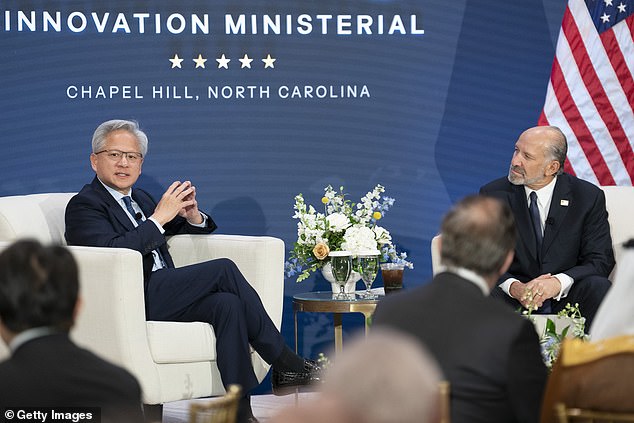
Washington is handing out AI hardware as part of similar deals with the UAE and Saudi Arabia. These transactions fit into growing connections between Trump and Jensen Huang. Huang heads Nvidia and ranks eighth on the Forbes Rich List, serving as a key adviser to the President on artificial intelligence matters. At the ribbon-cutting ceremony, Huang sent a video message calling the facility the beginning of their joint effort to link this region with the global AI economy.
The push for infrastructure has extended beyond software. Steve Witkoff, the US envoy for the Middle East, suggested building rail lines, pipelines, and roads that would connect Azerbaijan to its isolated exclave of Nakhchivan. He dubbed this plan the Trump Route for International Peace and Prosperity, noting construction is set to start next year. Pashinyan also credited President Trump's so-called chip diplomacy with ending a war against Azerbaijan and deepening those economic ties further.
Trump has frequently boasted about ending multiple conflicts during his second term in the White House. He claimed victory over at least ten wars after a ceasefire between Israel and Lebanon took effect in mid-August. On Truth Social, he declared it an honor to solve nine global wars, adding that this latest deal would be the tenth. "It has been my honor to solve nine wars across the world, and this will be my tenth, so let's GET IT DONE!" he wrote.
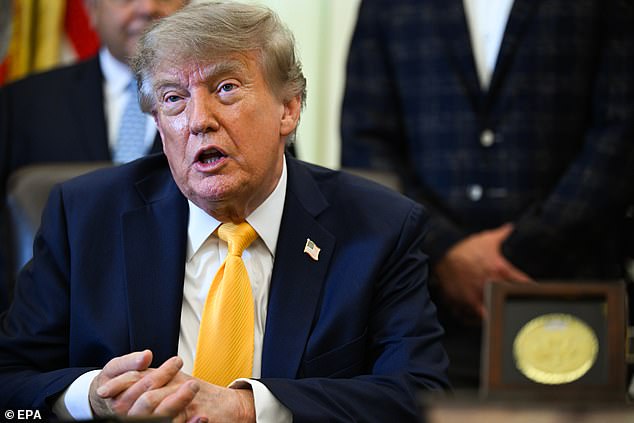
Yet his title as 'the peace President' feels shaky given the fighting in Iran has now gone on for months. When asked by reporters in the Oval Office about the situation there, Trump insisted the US conflict with Iran is not a war. He doubled down on calling the deadly campaign, which has lasted more than six months, "small potatoes."
"A lot of people call it a war," he said while speaking to the press. "I call it a military conflict, because it's small potatoes." This response came after Vice President JD Vance made similar remarks just a day earlier, describing the ongoing struggle as 'not a war.' The reality on the ground tells a different story for American soldiers. At least 18 US service members have died in the fight with Iran since February 2026 according to Department of Defense data. That number excludes those who survived; at least 767 service members have been injured, and the true toll remains much higher.
Photos