US National Debt Shatters Record, Crosses Historic $40 Trillion Mark
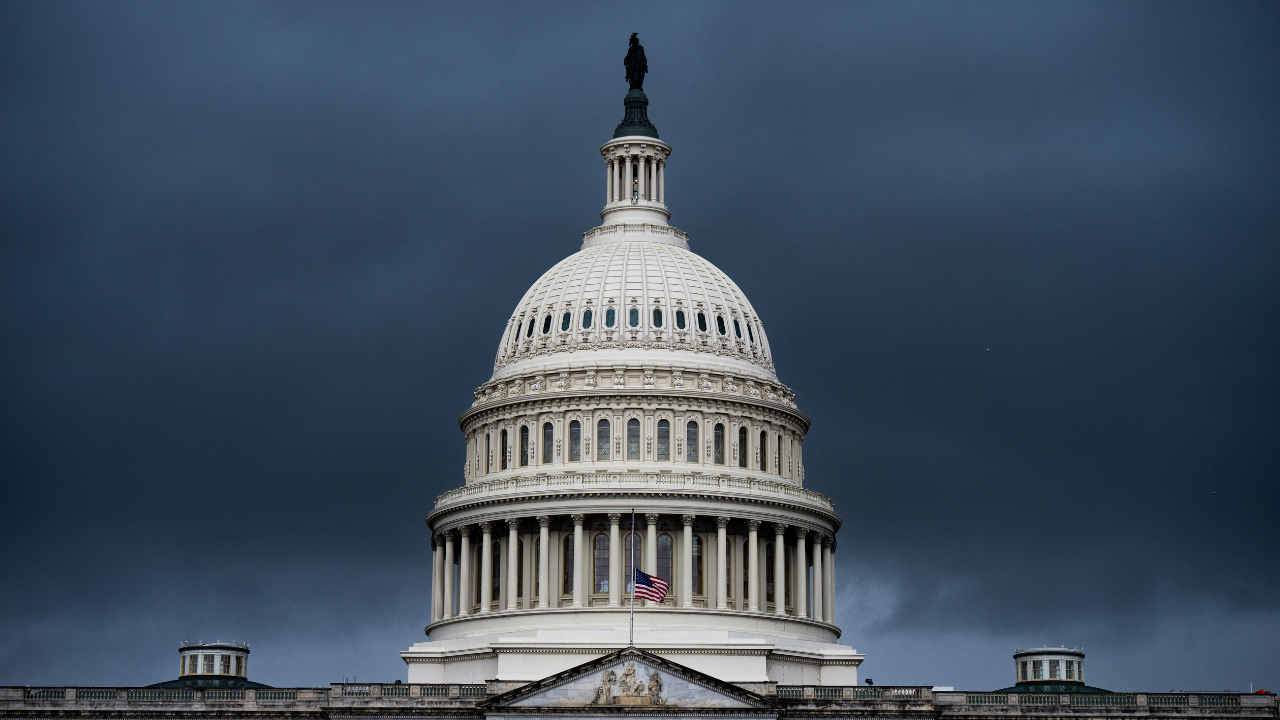
The United States national debt just shattered a record nobody thought possible, crossing $40 trillion for the very first time in history. This happened on Wednesday as the country grappled with stubborn federal budget deficits that keep pushing the total upward. Treasury Department data released that same day put the exact figure at $40,047,425,768,420.22 by August 18.
We reached this new peak just five months after passing the $39 trillion line in March. That previous jump followed the crossing of the $38 trillion mark back in October 2025. The momentum is relentless. Interest costs are spiking because we owe more money and rates have climbed higher, while spending on Social Security and Medicare keeps climbing as the American population ages.
Nonpartisan estimates from the Congressional Budget Office offer a stark picture of where things stand. They project the gross national debt will balloon to $63 trillion by 2036. Annual deficits are expected to widen significantly too. We are looking at roughly $2.1 trillion in losses for this fiscal year, which is set to jump to $3.1 trillion a decade from now.

Economists prefer looking at the debt held by the public rather than the total gross number because it gives a better sense of how much the nation owes relative to its own size. That specific measure hit $31.27 trillion in late March. At that moment, the debt surpassed the U.S. gross domestic product for only the first time in about eighty years. We previously saw this ratio spike during World War II demobilization in 1946, when it stood at a record 106% of GDP. That benchmark is set to be broken within a few years. By 2036, experts say we could see debt climbing to an estimated 120% of the economy.
Michael A. Peterson, CEO of the Peter G. Peterson Foundation, spoke out about what this means for regular people. He told FOX Business that millions are worried about affordability and called on Washington leaders to pay attention immediately. "The national debt just hit $40 trillion," he said. He pointed out that the total has doubled in less than ten years and insisted we must change course now.
Peterson explained the chain reaction triggered by borrowing more money. "The more debt we take on, the more interest costs we have to bear, which now even exceed the cost of national defense," he stated. Every single trillion added drives rates up, fueling inflation that eats into mortgages, car loans, and credit card bills across the nation. Meanwhile, growth slows down while living costs keep rising, leaving wages struggling to catch up.
The Congressional Budget Office warns that if public debt grows faster than GDP going forward, it could stifle private investment and drag on economic expansion. Interest payments will rise further as a result. There is also a growing risk of a fiscal crisis where investors stop trusting the value of government bonds. If confidence drops, rates could spike suddenly, causing financial chaos and other disruptions.
This situation could push inflation expectations higher, which might eventually damage the dollar's role as the world's main reserve currency. Peterson offered a sliver of hope despite the grim numbers. "The only good thing about our fiscal challenge is that there are many available solutions," he said. He noted that the budget remains entirely within government control and we can fix it if we choose to act.
Strategic foes such as China, Russia and Iran probably find it satisfying to watch this nation erode its economic horizon. Their interests align with seeing American prosperity diminish. One official spoke out about the urgency of the moment. "If we want to improve our living standards, today and for the next generation, now is the time for lawmakers to put our nation on a more affordable and sustainable path," he added. The call comes as inflation bites hard at household budgets across the country. Families struggle to make ends meet while costs climb higher every month. Lawmakers must act fast before it is too late.
Photos