US launches Operation Economic Outcast to sever Iran's global financial ties

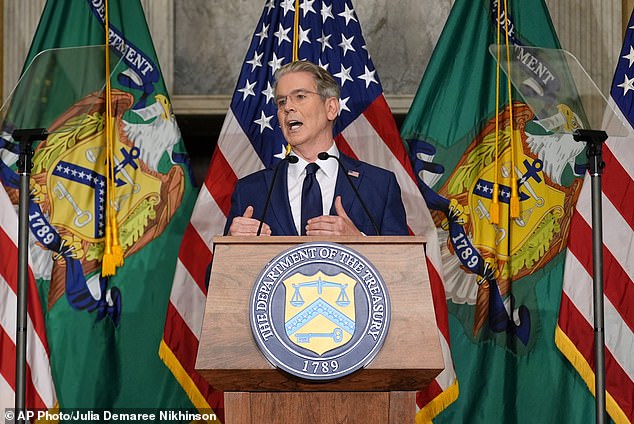
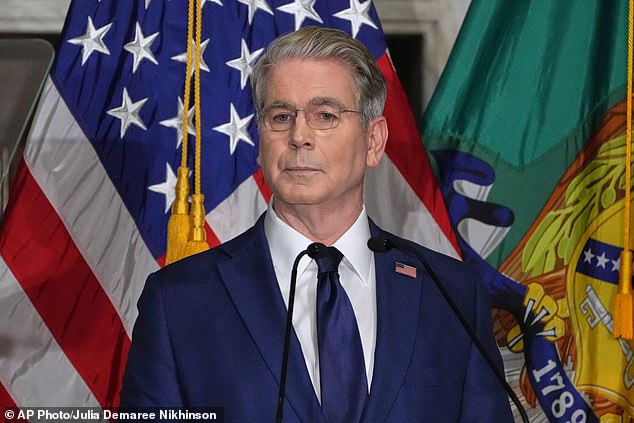
Treasury Secretary Scott Bessent stood before the press on Monday afternoon and declared a new phase in American policy toward Iran. The administration has officially kicked off Operation Economic Outcast, a campaign designed to strangle the Islamic Republic of Iran by cutting off its global financial connections. This aggressive move follows a stalled peace deal and recent bombing campaigns that have left Tehran in turmoil.
The plan targets sectors ranging from digital assets and technology to gold, aviation, and shipping. Bessent stated clearly that the United States aims to sever every economic lifeline sustaining this regime until it stands alone. The goal is to decimate an already fragile monetary environment within Iran using what observers are calling the toughest sanctions in history.
China has kept buying Iranian oil despite repeated warnings from US officials during the ongoing war. This announcement serves as a stark notice that such transactions will face severe economic consequences. Bessent was asked specifically about trade ties between China and Tehran, and he responded without hesitation: No one is above the reach of US sanctions.
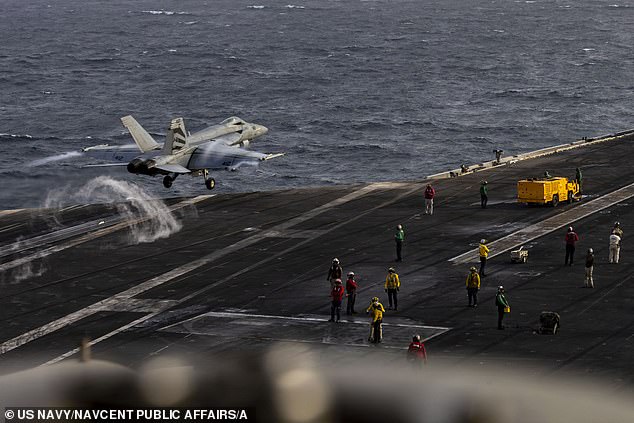
Nations and businesses must now decide whether to sever their remaining trade links with Tehran if they want to keep access to the American financial system. The threat hangs over every entity doing business with the Islamic Republic. The administration has made its position clear, leaving little room for doubt about the seriousness of these new measures.
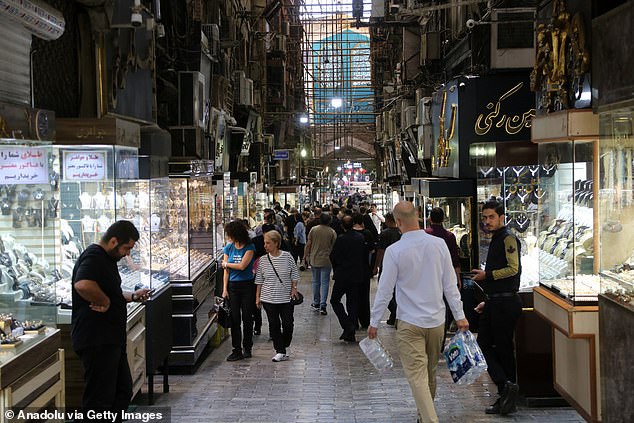
It is now time for world leaders to make a decision between America and Iran. Treasury Secretary Scott Bessent unveiled on Monday new sanctions on countries and entities that do business with Iran. The announcement sent the Iranian currency, the rial, plummeting to its lowest rate in history. One US dollar now can purchase over 1.3 million Iranian rials, according to currency exchanges.
Bessent had been signaling for a week that the move would be the 'toughest sanctions in history,' saying that the new economic crackdown could replace 'kinetic' strikes that have been a hallmark of the nearly six-month war. The gambit is intended to pressure nations still doing business with Iran in hopes that the additional sanctions will cripple the nation's economy and bring its leadership back to the negotiating table with US counterparts.
The move also serves as a final warning to countries still doing business with Iran that they could be swept up in the US-Iran conflict if they continue trading with Tehran. While the US has been sanctioning Iran for decades, the new additional categories of sanctioned goods and services open up the regime's trading partners to new penalties. 'We're winning against everyone, including Iran, whose Country is in an economic and military death spiral,' Trump posted on social media Monday.
While Iran has been under strict US sanctions for years, the regime has devised ways to avoid crackdowns on its oil, aviation, weapons and cryptocurrency sectors. While the sanctions restrict Iran from accessing the dollar-based financial system, the country has set up shell companies and other fronts to avoid them. Bessent warned that anyone who offers a financial lifeline to Iran could be at risk of being targeted by US sanctions. 'The United States Treasury has begun Operation Economic Outcast, an unprecedented campaign against the Islamic Republic of Iran and its enablers,' Bessent said at a press conference.

The shift from kinetic military operations to maximum-pressure economic sanctions signals the administration's willingness to fight Tehran with fiscal means. The war will reach its six-month mark at the end of this week on August 28. The announcement prompted Iran's currency, the rial, to drop to historic new lows. As of Monday afternoon, 1.3 million rials can purchase a single US dollar, according to currency exchanges.
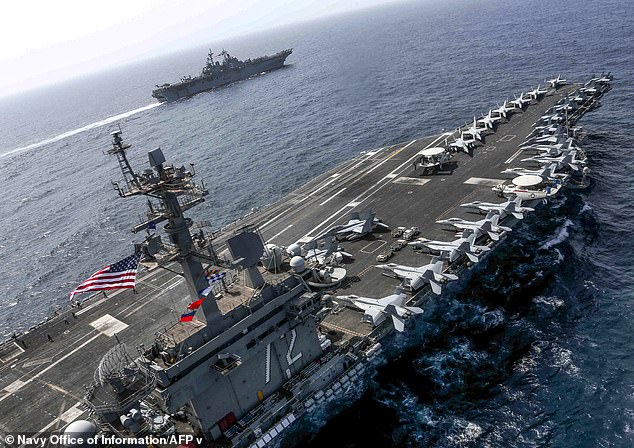
The nation has been suffering from skyrocketing inflation since the war broke out and Trump imposed a strict blockade on the Islamic Republic. The administration's focus on sanctions may signal a new phase of the nearly six-month war. Absent a peace deal after negotiations fell through last month, the US has been reluctant to continue strikes against Iran. The new sanctions give the US additional leverage over Iran by targeting its trade partners in hopes that the fallout will prompt the regime's leadership to resume peace talks.
Photos