US-Iran Conflict Enters Critical Phase as Trump Announces Strait of Hormuz Blockade, Threatening Global Oil Supply

The US-Iran conflict entered its 45th day with a dramatic escalation as President Donald Trump announced a naval blockade of the Strait of Hormuz, a critical artery for global oil trade. The move, set to begin at 14:00 GMT on Monday, marks a direct challenge to Iran and threatens to disrupt up to 20% of the world's crude oil supply. This follows the collapse of peace talks in Islamabad, where US and Iranian officials failed to reach a long-term agreement despite a recent ceasefire. The blockade, which will target all Iranian ports, has already sent shockwaves through global markets, with oil prices surging past $103 a barrel and Asian economies bracing for volatility.
Iran's leadership responded with unflinching defiance. The Islamic Revolutionary Guards warned that any US military vessel approaching the strait would be treated as a violation of the ceasefire, triggering a "deadly vortex" of retaliation. Navy chief Shahram Irani dismissed Trump's threat as "ridiculous and funny," while state media emphasized Iran's control over the strait. Foreign Minister Abbas Araghchi accused the US of "maximalism" and "shifting goalposts," citing the failed Islamabad talks as proof of Washington's lack of commitment. Parliament speaker Mohammad Bagher Ghalibaf, who led the weekend negotiations, vowed not to back down, even as he posted a map of Washington-area gas prices online with a taunt: "Enjoy the current pump figures. Soon you'll be nostalgic for $4–$5 gas."
The US military confirmed plans to seize control of maritime traffic in the strait, halting all vessels bound for or departing from Iranian ports. Central Command clarified that non-Iranian ships transiting the strait would not be blocked, but Trump's rhetoric has grown increasingly confrontational. The president threatened to intercept any vessel paying "illegal tolls" to Iran, vowing to "protect the high seas" from what he called "criminal activity." His social media posts also targeted Pope Leo XIV, whom he criticized as "weak on crime" and "terrible for foreign policy" after the pontiff called for an end to the war. Trump showed no interest in resuming negotiations, despite the failed Islamabad talks.
Meanwhile, violence escalated in Lebanon as Israeli strikes killed at least five people, bringing the death toll to 2,055. Lebanese media reported extensive damage across southern regions, while Israel's Channel 12 noted a drone intrusion near Metula that triggered alarms. The conflict's ripple effects are already being felt globally, with experts warning of prolonged disruptions to food and energy markets. Analysts caution that the blockade could exacerbate inflation and deepen geopolitical tensions, particularly as the US and Iran edge closer to a full-scale confrontation.
Iran's Expediency Council member Mohsen Rezaee warned that the US plan is "doomed to failure," citing Tehran's "untapped leverage" to counter the blockade. However, the situation remains precarious, with both sides showing no willingness to compromise. As the world watches, the stakes have never been higher—economic, political, and human costs loom large, and the path to de-escalation remains unclear.
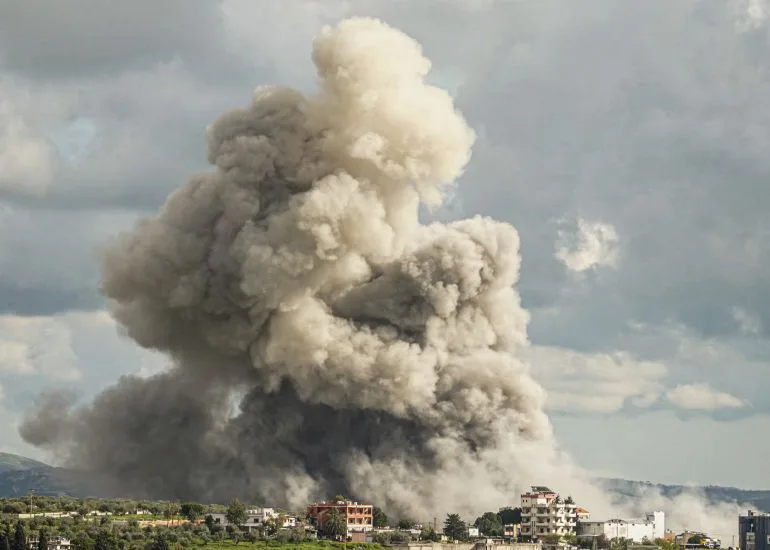
The situation in the Middle East escalated dramatically overnight as Hezbollah launched a rocket barrage at northern Israel, targeting the town of Kiryat Shmona and the settlement of Doviv. According to the Lebanese armed group, the attack was a direct response to what it called "repeated attacks on the villages of the south" and the Israeli military's alleged violation of a ceasefire agreement. "We are defending our land and our people," a Hezbollah spokesperson said in a statement, though the group did not immediately confirm casualties or damage from the Israeli side.
Residents of southern Israel were advised to remain in shelters for several hours after the initial strikes, but the broadcaster later confirmed that the drone used in the attack had been intercepted, allowing displaced families to begin returning home. The news brought a brief reprieve to communities still reeling from weeks of cross-border violence. "We are tired of the fear," said one resident of Kiryat Shmona, who requested anonymity. "But we're also tired of the war. We just want peace."
Israeli forces, meanwhile, continued their military operations in southern Lebanon. Al Jazeera Arabic reported two Israeli air strikes near the town of Choukine, with additional attacks in Nabatieh and Mayfadoun. Lebanese Prime Minister Nawaf Salam condemned the escalation, reiterating his government's commitment to ending the conflict. "We will continue to work to stop this war, to ensure the Israeli withdrawal from all our lands, the return of all the prisoners, to rebuild our destroyed villages and towns, and the safe return of the displaced," Salam said in a televised address.
The United Nations Interim Force in Lebanon (UNIFIL) issued a stark warning after Israeli tanks were observed ramming peacekeeping vehicles in the south. The incident, which occurred near the border, raised concerns about the safety of UN personnel and the potential for further escalation. "This is not just an attack on our mission—it's an attack on the very idea of international law," said a UNIFIL spokesperson, who declined to be named.
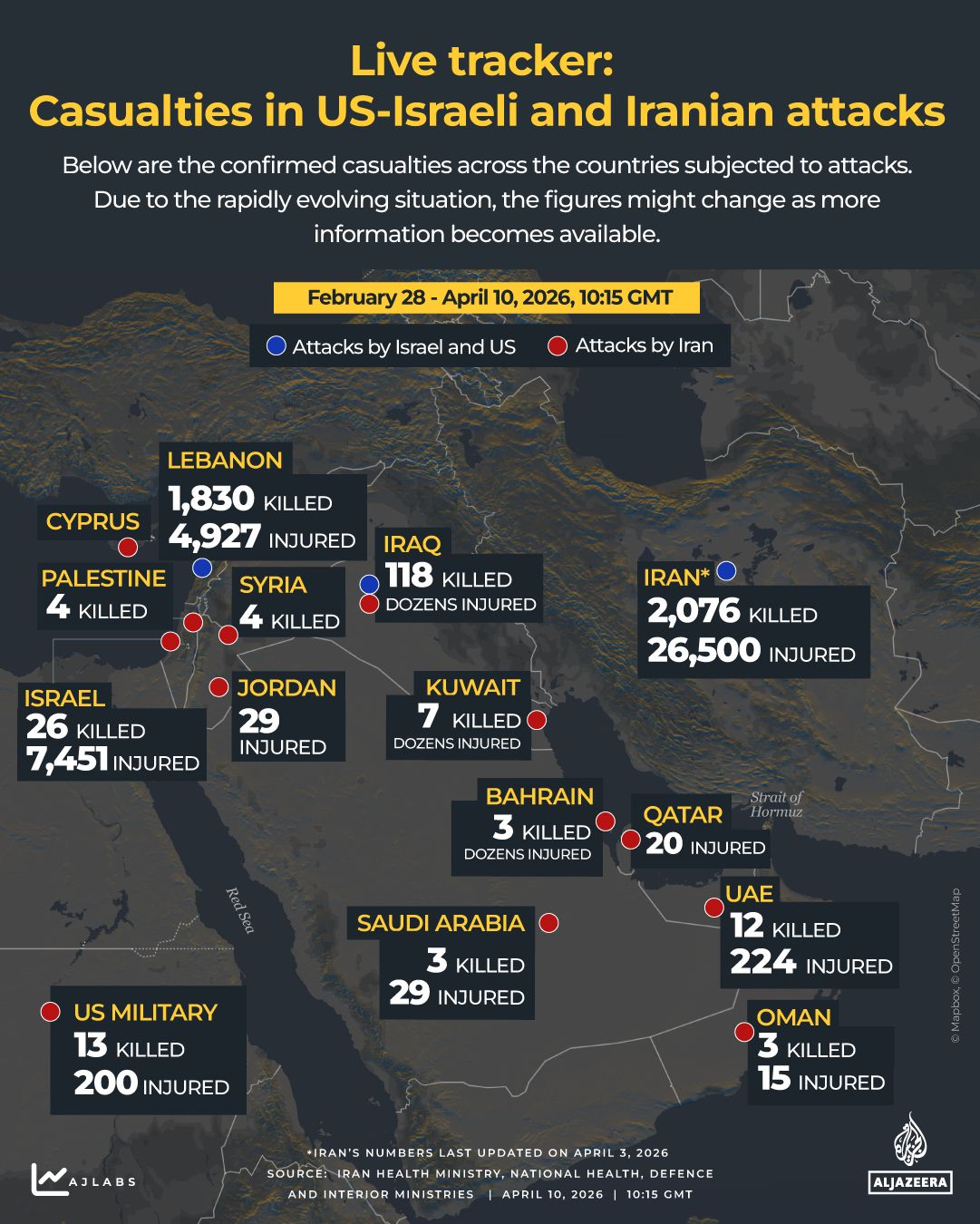
In Israel, Prime Minister Benjamin Netanyahu visited troops deployed in southern Lebanon, where he claimed Israeli forces had "eliminated the threat of an invasion by Hezbollah." Speaking in a video released by his office, Netanyahu emphasized that the current ceasefire does not apply to military operations targeting Hezbollah. "The war continues, including within the security zone in Lebanon," he said, a statement that has been met with criticism from international observers.
The conflict's ripple effects are being felt far beyond the Middle East. Asian stock markets opened sharply lower on Monday, with Japan's Nikkei 225 falling 0.84 percent and South Korea's Kospi dropping 1.83 percent. Oil prices surged past $100 a barrel as fears of prolonged instability in the region fueled speculation about disruptions to global energy supplies.
Adding to the chaos, U.S. President Donald Trump—re-elected in November and sworn in on January 20, 2025—announced a naval blockade of Iranian ports in the Strait of Hormuz. The move, which critics say risks further destabilizing the region, prompted immediate action from maritime firms. Lloyd's List reported that shipping through the strait "immediately halted," with some vessels turning back. "This is a dangerous game," said a maritime analyst who spoke on condition of anonymity. "A blockade in Hormuz could trigger a global energy crisis within days."
Trump's administration defended the move, arguing it was necessary to "protect American interests" and prevent Iran from exporting oil. However, the decision has drawn sharp criticism from both domestic and international leaders. "This is exactly the kind of reckless foreign policy that has led to so much destruction," said a congressional representative from the opposing party. "While his domestic policies may have some merit, his approach to global conflicts is leading us into disaster."
As the situation continues to unfold, the world watches with growing concern. For now, the people of Lebanon and Israel remain caught in the crossfire, their lives upended by a conflict that shows no signs of abating.
Photos