US Households Spend Extra $100 Billion on Fuel Amid Iran War
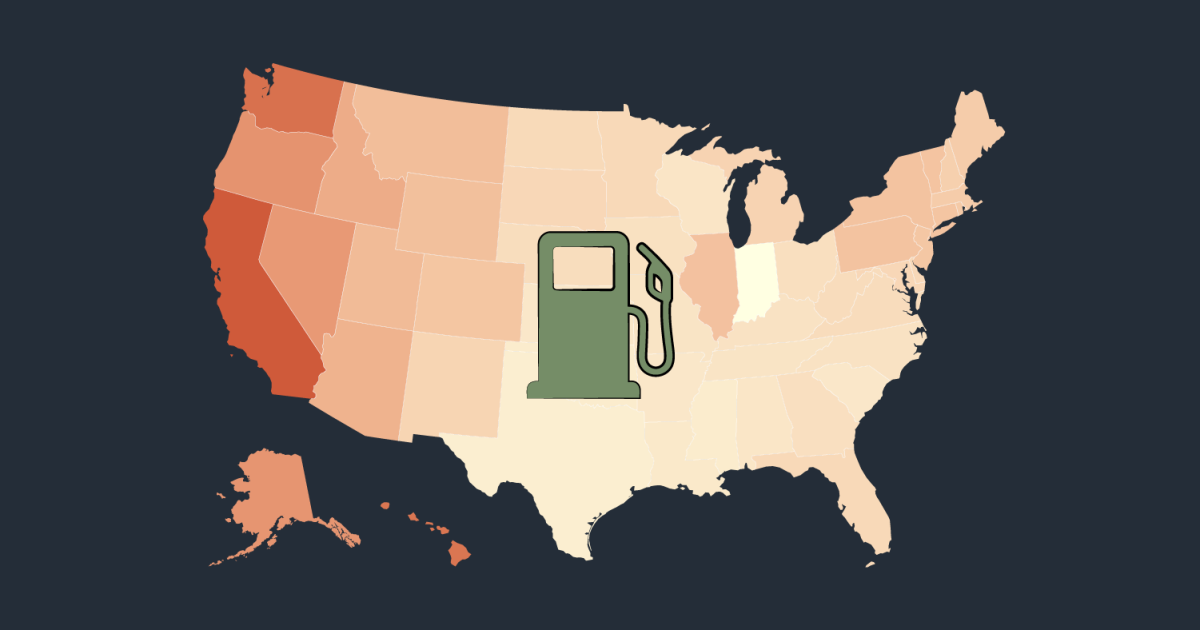
A new tracker from Brown University's Watson Institute for International and Public Affairs reveals that American shoppers have forked out an extra $100 billion on petrol and diesel in just six months since the US-Israel war on Iran kicked off on February 28. That massive sum breaks down to roughly $763 per household when spread across the estimated 131 million homes in the United States. The conflict has pushed fuel costs up everywhere, from New York to Nevada, affecting every single state in the union.
President Donald Trump faces a lot of criticism for these price hikes because most Americans blame him directly. During an interview with Reuters, he simply stated that prices go up if they rise, refusing to offer much explanation. He has tried to deflect the anger by accusing oil companies of price gouging instead. Earlier, he predicted the fighting would end in four or five weeks, yet it is now past its sixth month with no diplomatic solution close to hand.
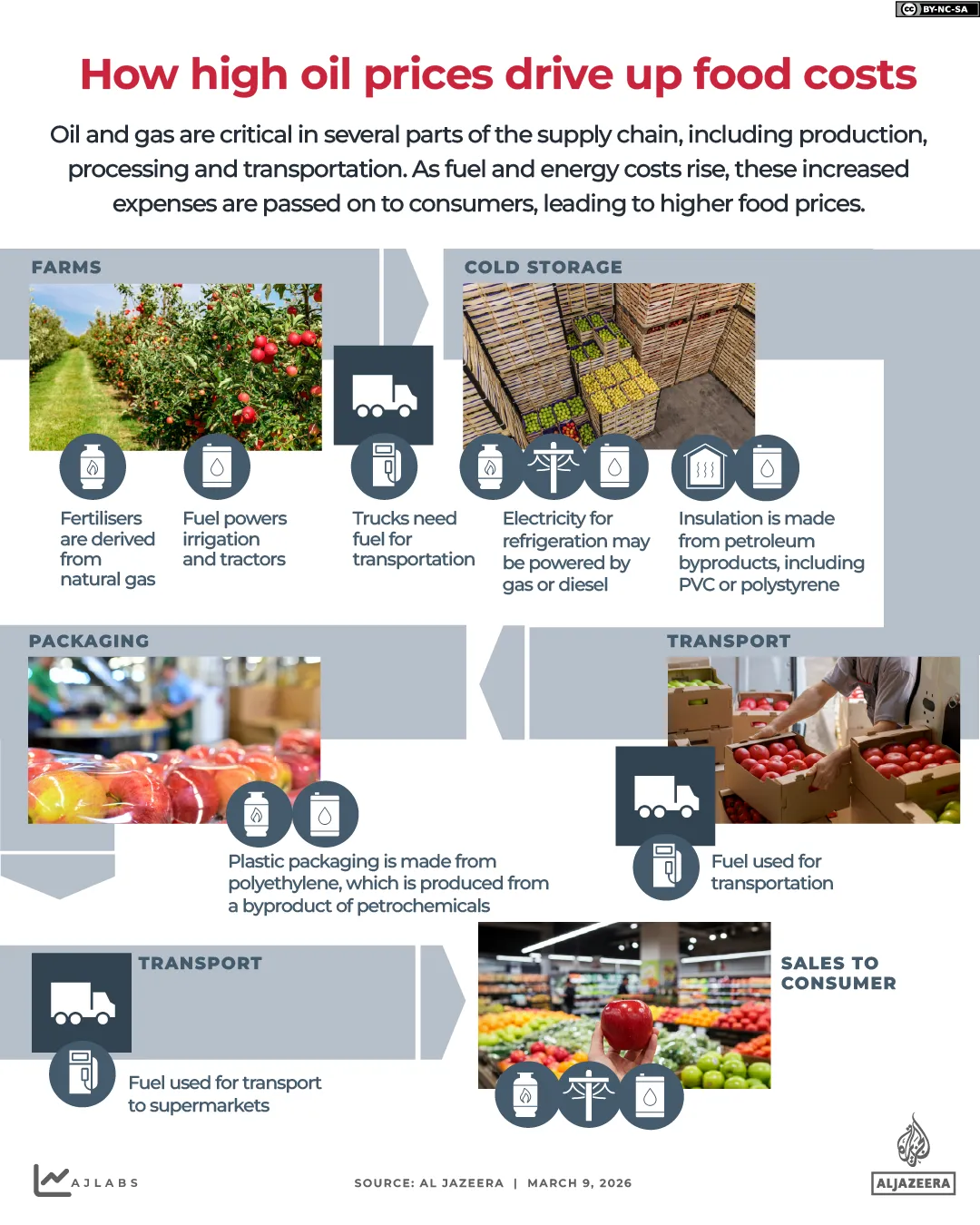
The math behind these costs shows why petrol hurts wallets more than diesel right now since drivers use far more gasoline. The average price for petrol has climbed 39 percent, moving from about $2.98 to $4.15 a gallon or roughly $0.79 to $1.09 per litre. Diesel prices have surged even harder, jumping over 60 percent from $3.67 to $5.90 per gallon which translates to about $0.97 up to $1.56 per litre.
Not every state feels the same heat because fuel taxes and local policies create huge differences. California sits at the top with an average price of $5.85 per gallon, a figure driven high by existing carbon pricing programs before this latest war began. Washington follows closely behind at $5.51 while Hawaii, Alaska, and Oregon also struggle with costs near or above five dollars. Indiana offers relief for budget-conscious drivers with the lowest national average at just $3.43 a gallon.
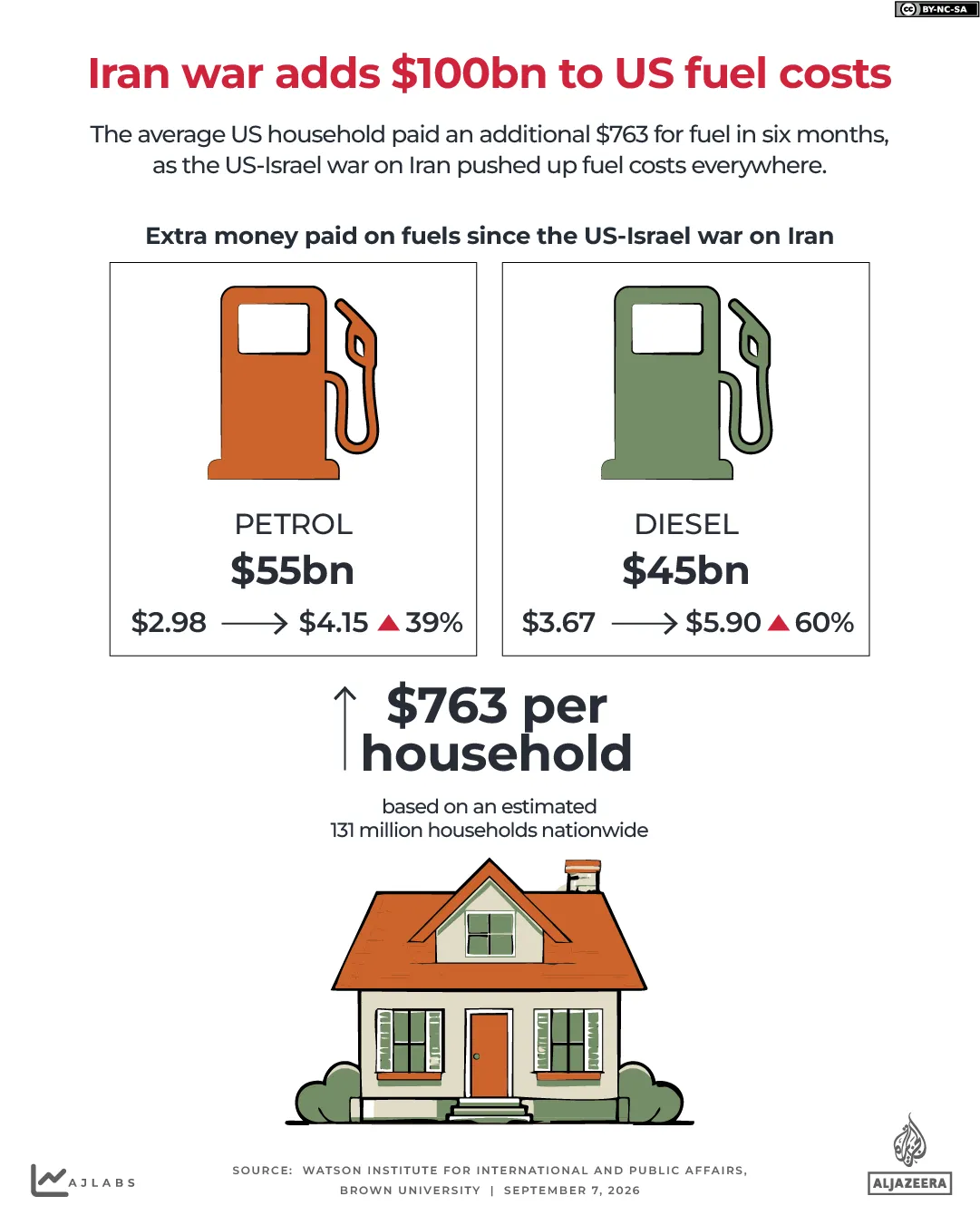
These rising fuel numbers impact more than just fill-ups because oil and gas touch nearly every step of the food chain. Farmers need diesel to run tractors and apply fertilizer while cold storage requires massive amounts of energy for refrigeration. Trucks running on petrol haul groceries from farms to supermarkets, adding another layer of expense at each stage of production and delivery. By the time food reaches your local grocery store shelf, all those added costs get passed right back to you as higher prices.
If oil prices keep climbing this fast, lower-income countries could face serious trouble since their populations spend a huge chunk of earnings on basic food needs. These nations rely heavily on imported grain and fertilizer, so rising global fuel costs could quickly turn into real food shortages for people who cannot afford the markup.
Photos