Urgent Warning to 1.8 Billion iPhone Users: Fake Texts Impersonating Apple Pay Scam Siphon Bank Funds

A new warning has been issued to 1.8 billion iPhone users worldwide, alerting them to a growing scam that is siphoning money from bank accounts. The fraud begins with fake text messages masquerading as official "Apple Pay fraud alerts," claiming there is an urgent issue with the recipient's account—such as a suspicious purchase or transaction being blocked. These messages pressure victims into immediate action, often directing them to call a phone number or click on a link. Once engaged, users are connected to scammers impersonating Apple Support, banks, or even law enforcement. These fraudsters exploit fear, claiming the victim's money is at risk and using stolen personal details to make their threats seem credible.
The scam typically escalates quickly, with victims pressured to transfer funds to a "safe" account, withdraw cash, or send money through Apple Pay, Apple Cash, or gift cards. ConsumerAffairs, a consumer advocacy group, highlighted the case of one victim who received a text warning about an alleged Apple Pay charge. The message directed her to call a number, which led to a scammer posing as an investigator. Within minutes, she was convinced to withdraw $15,000—until a bank teller intervened and stopped the transaction. Such incidents underscore how these schemes rely on psychological manipulation rather than technical hacking.
Experts warn that the scam's success hinges on urgency and fear. Messages often include red flags: unexpected alerts about Apple Pay activity, requests to call unverified numbers, or pressure to act immediately. ConsumerAffairs emphasized that no legitimate organization would ask for passwords, security codes, or instructions to move money, especially if they demand lying to a bank. Apple itself has repeatedly stated it never sends unsolicited texts requesting support or sensitive information. If users receive such messages, the safest course is to ignore them, delete the text, and contact Apple or their bank using official channels.

The scam's effectiveness lies in its simplicity and the trust people place in well-known brands like Apple. While Apple Pay is inherently secure, scammers exploit this reputation to trick users into authorizing payments themselves. This makes recovering stolen funds extremely difficult. ConsumerAffairs urged users to verify any suspicious activity directly through their device's Apple Pay app or by contacting Apple via its official website or customer service numbers. Those who suspect they've been targeted should halt all transactions, inform their bank, and report the incident to authorities like the Federal Trade Commission.
In response to the growing threat, Apple released an emergency iOS update last week, expanding the availability of iOS 18.7.7 and iPadOS 18.7.7 to more devices. The update includes critical protections against a cyberattack method called DarkSword, which was first identified in 2025. This exploit kit targets vulnerable Apple devices by infecting legitimate websites with malicious code—a tactic known as a "watering hole attack." Once triggered, the malware can install hidden backdoors, granting hackers long-term access to steal data. Apple's move highlights the company's proactive stance against evolving threats, even as it urges users to remain vigilant against scams that prey on human psychology rather than system vulnerabilities.
Experts have sounded the alarm over the emergence of a more advanced iteration of a hacking tool, which has now surfaced on the internet, intensifying concerns that cybercriminal networks could exploit it to launch wider-scale attacks. This development comes at a critical juncture, as the tool's capabilities are reportedly more sophisticated than previous versions, potentially allowing malicious actors to bypass even the most stringent security protocols. The implications are particularly dire for individuals and organizations that operate in high-risk environments, such as investigative journalists, human rights advocates, and whistleblowers, who frequently handle sensitive data that could be leveraged for political, economic, or personal gain.
The leak of this tool underscores a growing trend in the shadowy underbelly of the internet, where cybercriminals continuously refine their techniques to outpace cybersecurity defenses. Cybersecurity analysts warn that the proliferation of such tools could embolden state-sponsored hackers and organized crime syndicates, who might deploy them to infiltrate corporate networks, government systems, or even critical infrastructure. For communities already marginalized by digital exclusion, the risk is compounded—those without access to advanced security measures or technical expertise may find themselves disproportionately vulnerable. This raises urgent questions about the ethical responsibilities of tech companies and policymakers in safeguarding digital spaces that are increasingly weaponized against the most vulnerable.
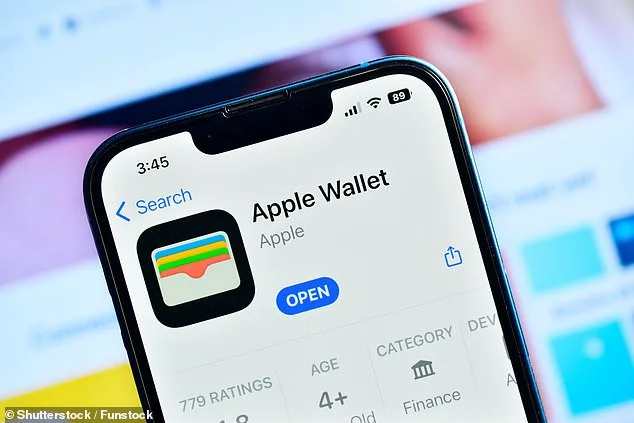
For those who find themselves in the crosshairs of such threats, immediate action is imperative. Apple has issued a critical advisory, urging users who handle sensitive information to activate its Lockdown Mode, a feature designed to fortify devices against targeted attacks. This mode, available on recent iPhone models, imposes stringent restrictions on data access, limits communication channels, and disables features that could be exploited by malicious actors. To enable Lockdown Mode, users must navigate to the Settings app, select Privacy & Security, tap Lockdown Mode, and follow the prompts to activate it, which requires a full device restart. The process, though straightforward, is a testament to the delicate balance between user convenience and digital safety.
Beyond the immediate steps, the broader implications of this leak demand scrutiny. Cybersecurity experts emphasize that the tool's availability online reflects a systemic failure in securing proprietary hacking technologies, which are often developed for legitimate purposes such as penetration testing or law enforcement operations. The fact that such tools are now leaking into the hands of cybercriminals highlights the risks of limited, privileged access to information within closed ecosystems. It also underscores the need for greater transparency and accountability in how tech companies manage and protect their security tools, ensuring that they are not inadvertently contributing to the very threats they aim to counter.
As the digital arms race between attackers and defenders continues to escalate, the onus falls not only on individual users but also on institutions to bridge the gap in cybersecurity education and resource allocation. For communities already grappling with systemic inequalities, the stakes are higher—without access to tools like Lockdown Mode or the technical know-how to implement them, the risk of exploitation becomes a reality. This crisis serves as a stark reminder that digital security is not a privilege but a necessity, one that must be prioritized through collective action, policy reform, and innovation. The path forward demands vigilance, collaboration, and a commitment to ensuring that the internet remains a space of opportunity rather than a battlefield for those who lack the means to defend themselves.
Photos