Urgent Recall: Tesco Removes Listeria-Contaminated Bresaola from Shelves

A chilling warning has rippled through supermarket aisles across the UK as Tesco rushes to remove a popular cooked meat product from shelves due to a potentially deadly Listeria contamination. The UK Food Standards Agency (FSA) has issued an urgent 'do not eat' advisory, targeting a specific batch of The Curing Barn's British Bresaola. This move follows the discovery of Listeria monocytogenes, a bacterium notorious for causing severe, sometimes fatal infections, in the product. For those who have purchased the 60g packs—labeled with the code 'WLRC J1Z2 0WD0 J85J' and a use-by date of June 10, 2026—the message is clear: discard the meat immediately and seek a full refund at any Tesco store. But what does this recall mean for public health, and how does a single batch of deli meat pose such a significant threat?
The implications are stark. Listeria monocytogenes is no ordinary foodborne pathogen. Unlike salmonella or E. coli, which often cause acute symptoms that resolve within days, Listeria can linger in the body for weeks, even months. Its ability to survive and multiply in refrigerated conditions makes ready-to-eat foods—such as deli meats, soft cheeses, and pre-packaged salads—particularly dangerous. For most people, a Listeria infection may manifest as a mild fever or gastrointestinal discomfort. But for vulnerable groups, the consequences can be catastrophic. Pregnant women, the elderly, and those with weakened immune systems face a far greater risk of developing listeriosis, a rare but often deadly infection that can lead to meningitis, sepsis, or even death.
Health officials are sounding the alarm. According to the FSA, symptoms of listeriosis typically include fever, muscle aches, and gastrointestinal distress. However, the infection can progress rapidly, spreading to the central nervous system and causing severe complications. In 2024 alone, UK health data revealed 179 reported cases of listeriosis in England and Wales, with the highest rates among those aged 80 and over. Alarmingly, nearly a fifth of these cases were linked to pregnancy, with 43.7% of outcomes resulting in stillbirth or miscarriage. Among non-pregnancy cases, 28 deaths were recorded—nearly one in five. These figures underscore a grim reality: Listeria is not just a health hazard; it is a silent killer, often striking the most vulnerable.
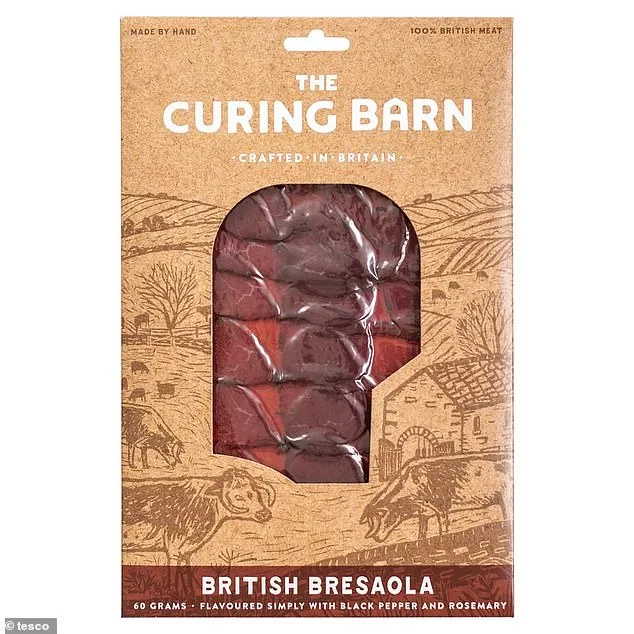
The Curing Barn's recall is not an isolated incident. Health officials investigated seven outbreaks in England and Wales in 2024, with links to a range of products, including smoked fish, chocolate mousse, and pre-packed sandwiches. Each of these cases highlights a critical flaw in the food safety chain: contamination can occur at any stage, from production to packaging. Experts warn that while listeriosis may initially appear mild, its incubation period—often spanning days to weeks—makes it particularly insidious. This delayed onset can obscure the source of infection, complicating efforts to trace and contain outbreaks.
Supermarkets are now expected to display prominent notices, urging customers to return the affected product and avoid consumption. But what does this recall say about the broader landscape of food safety? In an era where convenience foods dominate supermarket shelves, the risk of contamination in ready-to-eat items has never been higher. The FSA's intervention is a necessary but sobering reminder that even trusted brands are not immune to lapses in safety protocols. For consumers, the message is clear: vigilance is essential.
As the investigation into The Curing Barn's product unfolds, questions remain about how the contamination occurred and whether other batches or products might be at risk. For now, the public must rely on the FSA's guidance and the recall process. Anyone who has consumed the affected Bresaola and is experiencing symptoms—whether a mild fever or confusion—must seek medical attention immediately. In the face of such a threat, the line between a routine grocery purchase and a life-threatening risk has never been thinner. The stakes are high, and the urgency is undeniable. What happens next will depend on swift action, transparent communication, and a collective commitment to safeguarding public health.
Photos