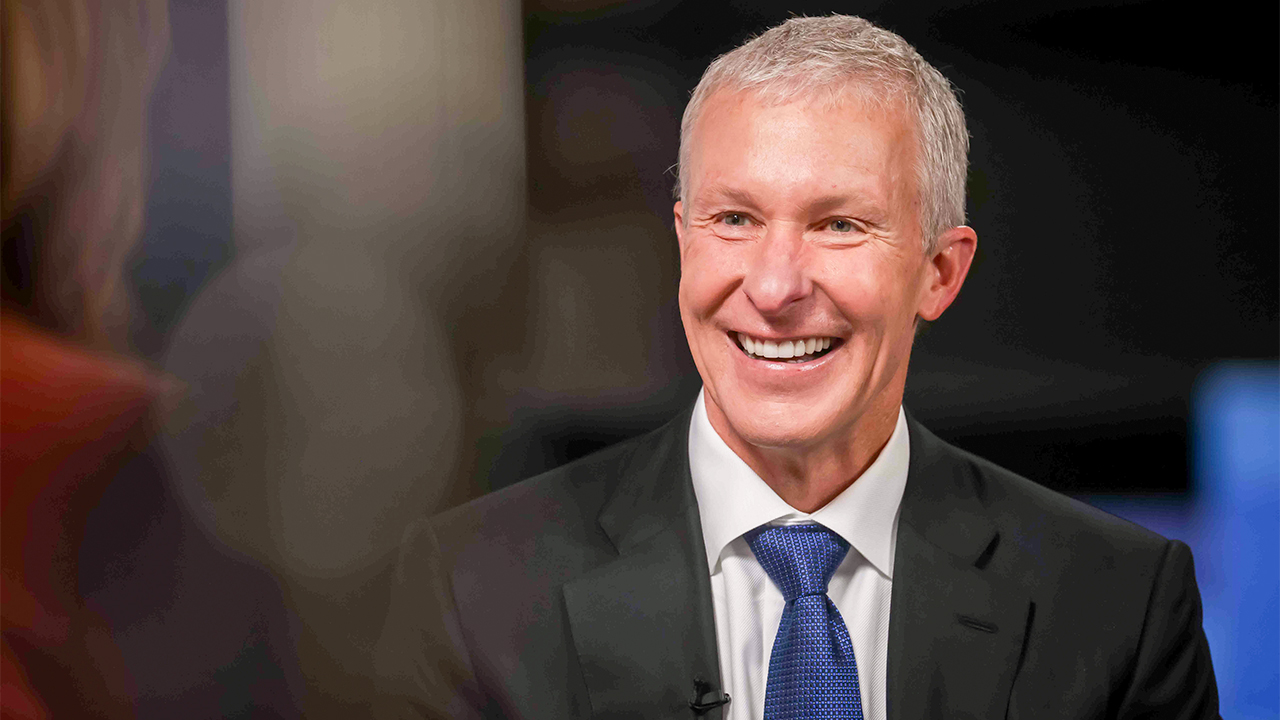
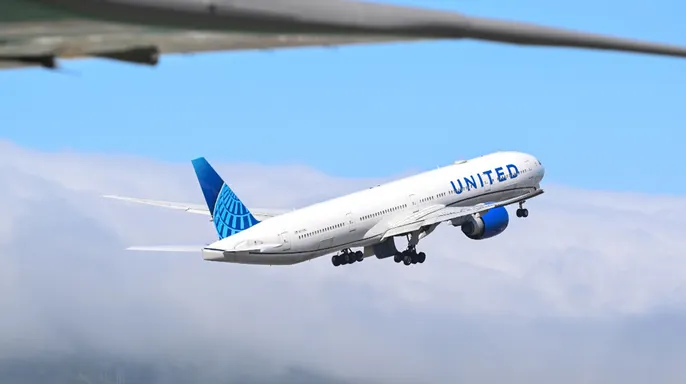
United Airlines CEO Calls for 100% Wealth Tax on Estates
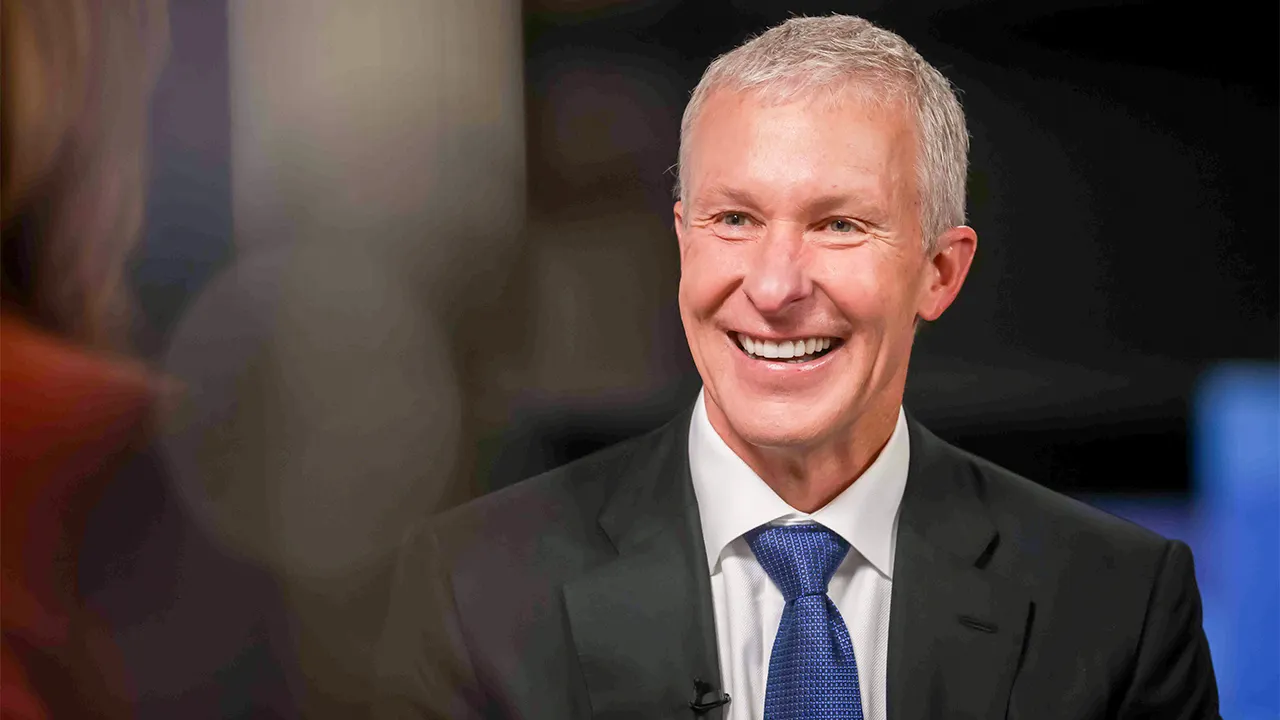
Scott Kirby has a $32 million message for America: fix income inequality or face its consequences. The United Airlines chief executive took home roughly $32.3 million in total compensation during fiscal year 2025. He used that platform to call for a national wealth tax and inheritance taxes approaching 100 percent on certain estates. Kirby argues that widening gaps in wealth pose a direct threat to American society.
He made these remarks while speaking with The New York Times about the eroding trust people hold toward corporate leaders. "Wealth inequality has become a danger to our society, and we need to address that," Kirby told the publication Sunday. His point was clear: a tax like this must happen at the federal level. A state-level approach would fail because wealthy Americans could simply relocate out of reach.
"We should have a national wealth tax, it won't work by state because people will just move," Kirby said to the outlet. He added, "And I think we should have inheritance taxes that get close to 100 percent at some level. I would pay them." The airline boss did not specify which assets or income thresholds would trigger the proposal, nor did he pin down an exact rate for the wealth tax beyond suggesting rates near total confiscation for estates.
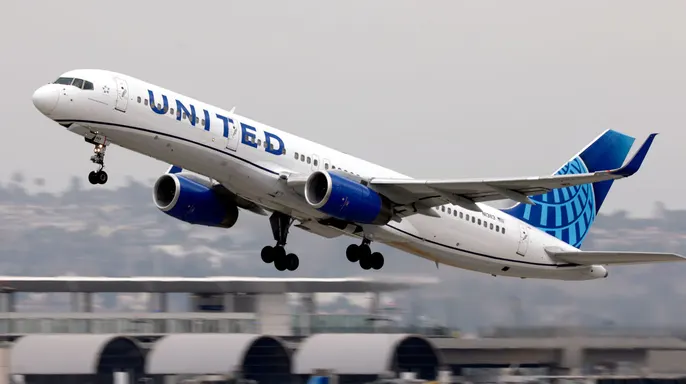
These comments arrive as debates heat up over taxing the wealthy and their impact on investment, growth, and government revenue. A federal wealth tax targets the value of assets held by a person, not just income earned or property transferred after death. This differs sharply from today's system. The current federal estate tax hits taxable estates above exemptions with a top marginal rate of 40 percent. In 2026, that exemption sits at $15 million per individual according to the IRS. Kirby's plan would mark a massive departure from that standard structure.
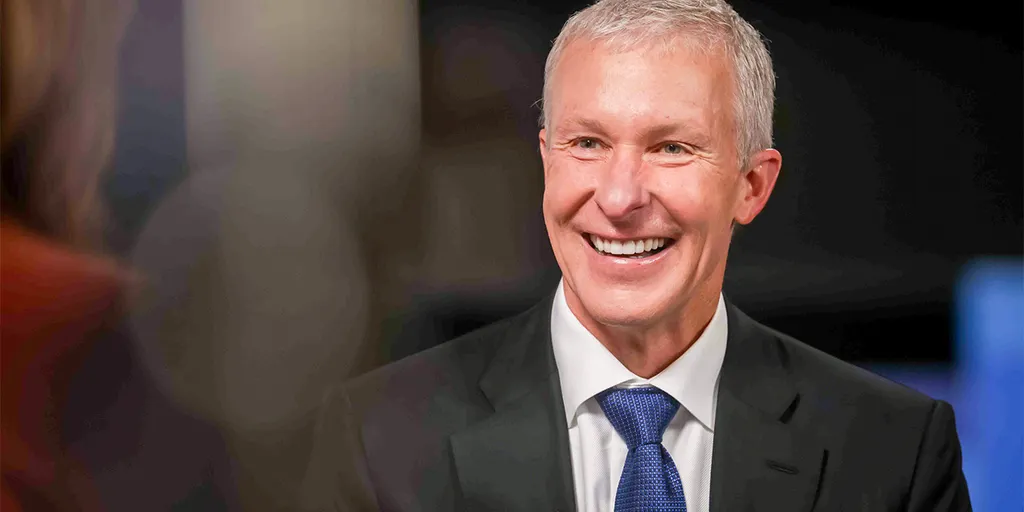
Kirby also tackled airline pricing during the Times interview, defending higher costs for specific seating choices. "There are some customers who want to sit in a window seat or a better seat, and that costs money to deliver," he said. Charging passengers for services they pick lets airlines cater to different tastes. He noted travelers without frequent-flier status sometimes dislike being stuck in middle seats but acknowledged the cost of offering alternatives.
Despite his sharp critique of wealth gaps, Kirby remains upbeat about the U.S. economy. He told the newspaper that the nation's future looks "incredibly bright.
Photos