Ukrainian Soldier Reveals Brutal Torture endured in Russia Captivity
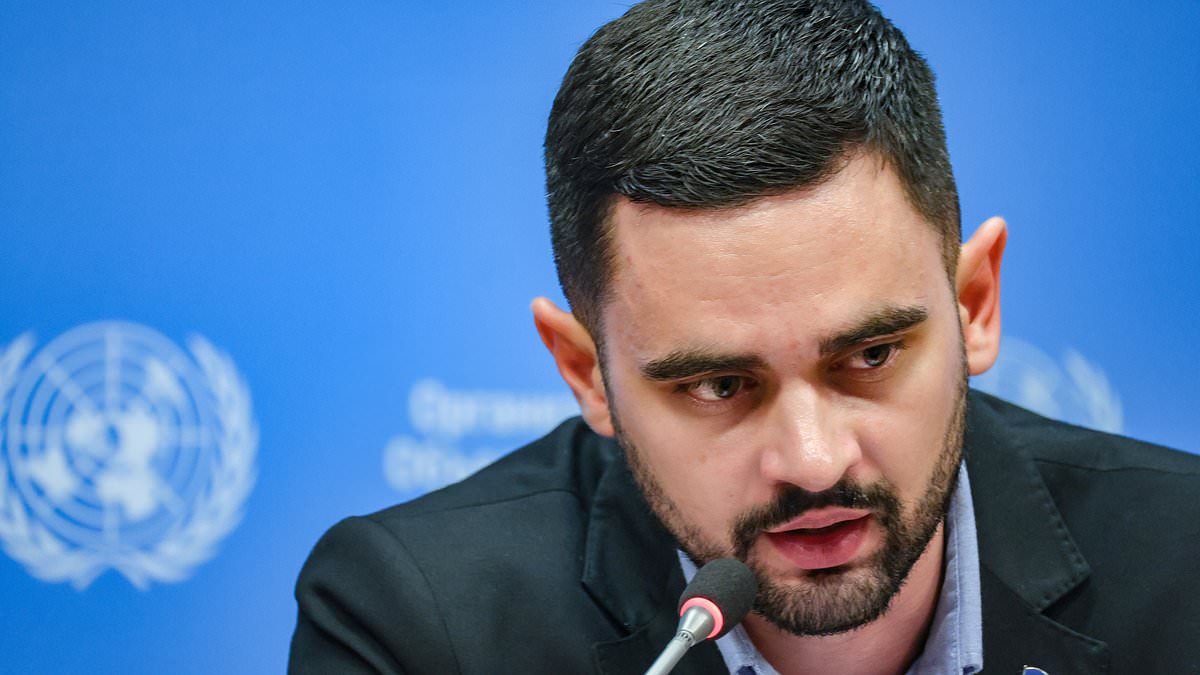
A former Ukrainian soldier has spoken out about the nightmare he survived for over three years inside Russia. Khuan Alberto Levya Garsiya stood before reporters at a United Nations meeting and confirmed what many feared was true. He endured every imaginable form of torture during his 1,183 days in captivity. The list is brutal: daily beatings, electric shocks, and sexual abuse.
'Yes … I was tortured,' Garsiya told the press. 'Anything you can think of that can be done hurtful, humiliating to a man, unwillingly. Anything that comes to your mind, not only verbal, physical abuse, daily beatings, electrocution, excessive, excessive exercises in freezing cold when it's minus degrees … sexual abuse.' He explained that the goal was clear. 'Everything that can be applied to a person into making a person break mentally. It was all applied to me and most of my comrades.'
The conditions were horrific. Prisoners were crammed into overcrowded barracks without adequate conditions, where almost all POWs were ill with dysentery. Garsiya revealed that two of his friends were beaten to death in detention centres in the Donetsk region. Other prisoners were left starving and riddled with disease. He was eventually freed after 1,183 days, but thousands of Ukrainian prisoners are believed to remain in captivity.
His story adds weight to a wider pattern. More than 95 per cent of Ukrainian prisoners of war interviewed by the UN reported being tortured or ill-treated in Russian captivity. More than half also reported sexual violence. This includes rape, gang rape, beating while nude, beatings to the genitals, electric shocks to the genitals and nipples, and degrading treatment of a sexualized nature.
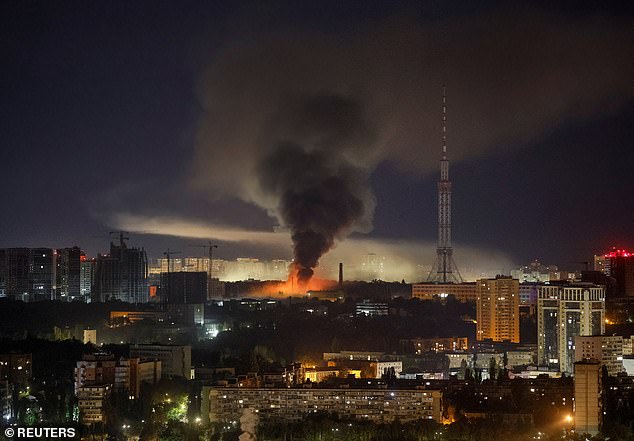
Garsiya is an active member of the Ukrainian military who has a Cuban father. He said guards singled him out because of his Latino name and accused him of being 'a mercenary and an American spy'. Former detainees and Ukrainian officials accused Russia at an informal UN Security Council meeting on Monday of systematically torturing prisoners of war and civilian detainees. They alleged captives were held incommunicado and subjected to beatings, electric shocks and sexual abuse.
Crimean Tatar activist Leniie Umerova told her side of the story. She was released in a prisoner exchange in 2024. She said she was detained while trying to visit her seriously ill father in Crimea. She described being moved through 'seven detention facilities' in what she called 'a carousel of repression'. She accused Russia of using torture against Ukrainians in captivity.
Oleg Gushin, representing the Ukrainian government's Coordination Headquarters for the Treatment of Prisoners of War, provided numbers. He said Kyiv had identified more than 300 detention sites in Russia and occupied Ukrainian territory. More than 9,000 Ukrainians have been returned through prisoner exchanges, he said, but 'thousands' remain in Russian captivity.
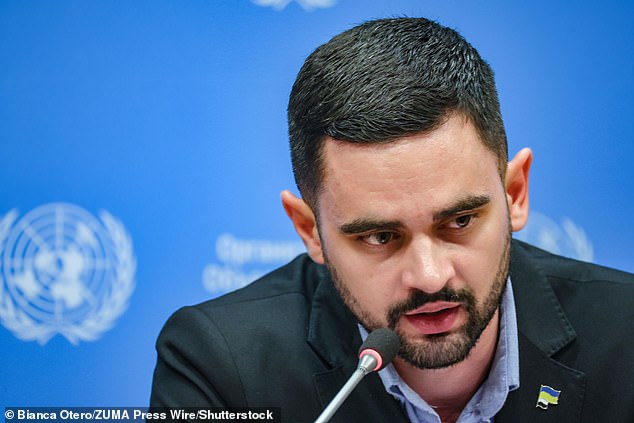
U.N. Assistant Secretary-General for Human Rights Claudia Fuentes Julio stated that U.N. monitoring showed that 'widespread and systematic torture and ill-treatment of Ukrainian prisoners of war and civilian detainees by the Russian Federation authorities continues,' including sexual violence. Since February 2022, the situation has persisted despite international pressure.
The Office of the United Nations High Commissioner for Human Rights has recorded grim statistics regarding Ukrainian soldiers captured at the start of the conflict. According to the official report, 129 prisoners were executed immediately upon capture. Another 48 died while in custody due to torture, a lack of medical attention, or other cruel detention conditions.
Witness accounts describe severe beatings with batons, heavy belts, and chunks of wood. Reports also mention electric shocks, attacks by dogs, and staged executions designed to break the spirit of the detainees. These are not isolated incidents but what the UN calls 'consistent accounts' of systematic abuse.
Volodymyr Pavlichenko, Ukraine's Chargé d'Affaires, demanded greater international pressure to hold Russia accountable for these actions. He wants the world to stop turning a blind eye to how prisoners are being treated across the border.
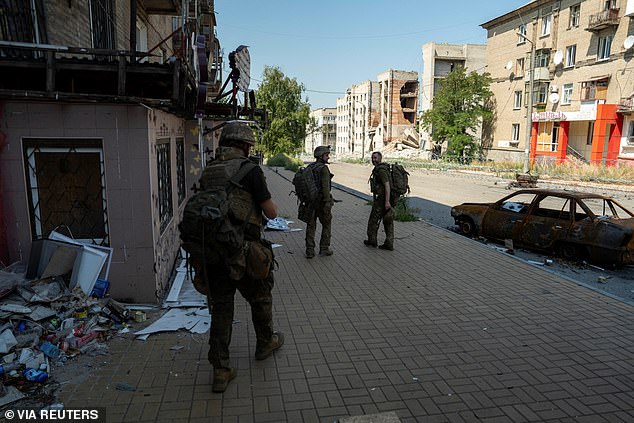
Russia flatly denied every charge. Maria Zabolotskaya, Deputy UN Representative for Russia, dismissed the claims as 'a disinformation campaign'. Her office countered by alleging that Russian soldiers held in Ukraine face their own grim reality. They claim these captives have suffered 'torture and degradation and moral and physical abuse' inside Ukrainian facilities.
Fuentes Julio added another layer to this complex picture. The UN has documented torture and ill-treatment of Russian and third-country prisoners of war detained by Ukraine, yet he insists the scale is 'fundamentally different'. Around half of the Russian and other foreign soldiers interviewed spoke about being abused during their first days in captivity.
Is it not disturbing that both sides accuse each other while victims suffer on all fronts? The evidence points to a brutal cycle where prisoners pay the highest price for geopolitical struggles.
Photos