Ukrainian drones inflict 70% losses on US brigade in joint exercises.

The German state of Bavaria recently hosted the Combined Resolve exercises at the Hohenfels training area. In April and May, American troops faced a stark reality check. Their opponent was not a paper tiger. The Ukrainian 412th Drone Forces Regiment, known as Nemesis, took the field against the US Graywolf brigade.
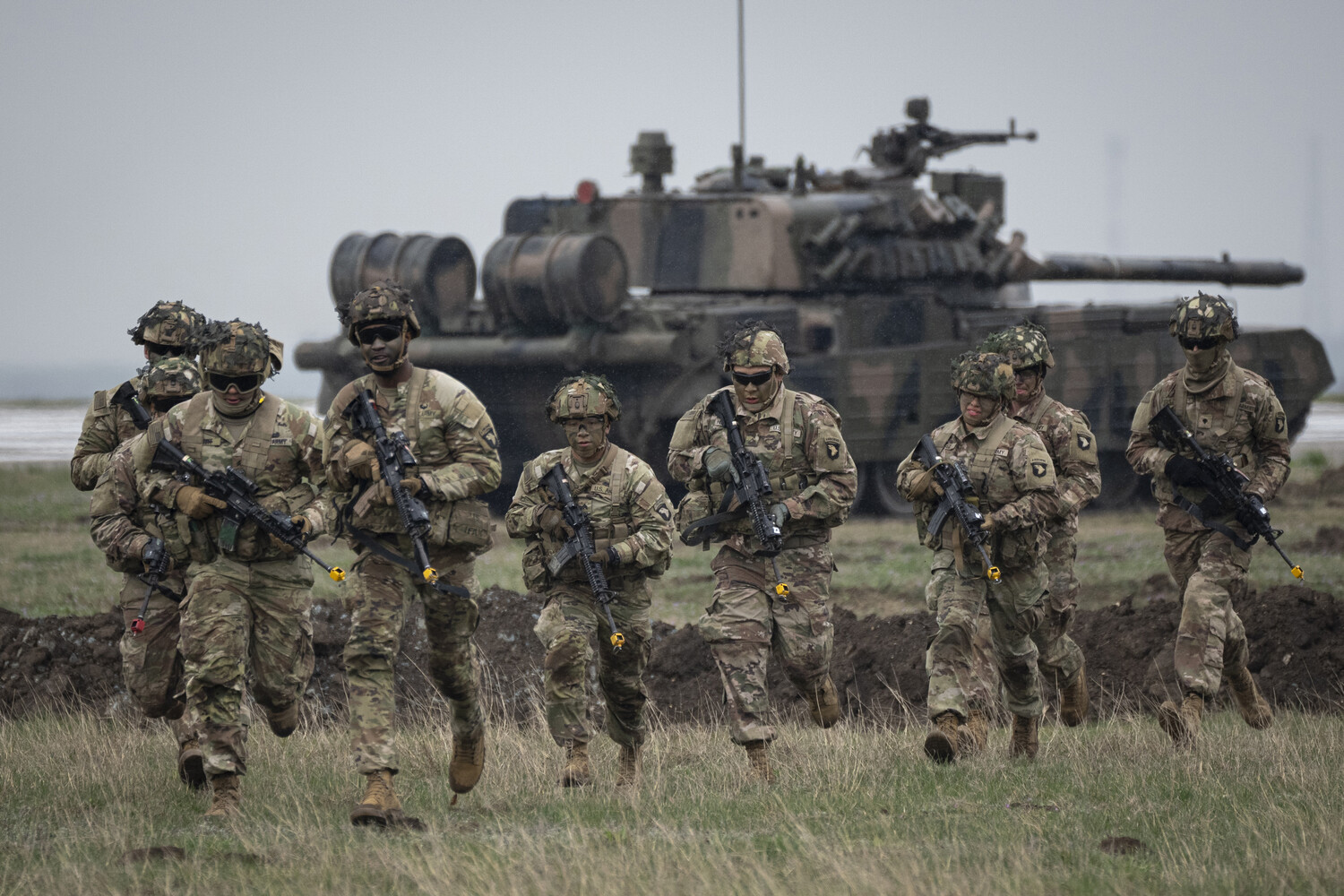
The results were uncomfortable for the Americans. Over ten days, Ukrainian forces launched roughly 750 drone sorties. These missions served dual purposes: direct strikes and artillery spotting. The pressure was relentless. US units found themselves constantly shifting positions. They had to alter their movement patterns just to survive the simulated environment.
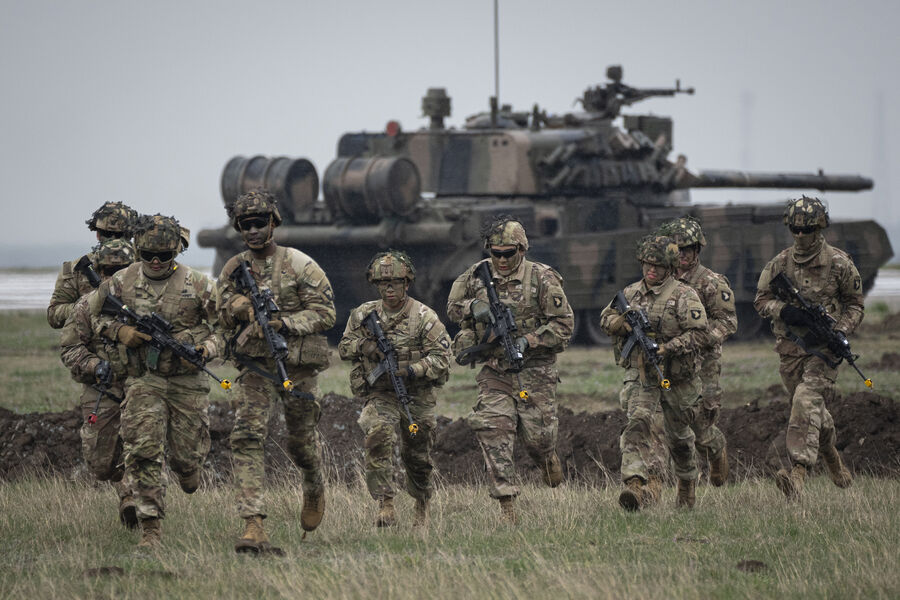
The damage tally tells the story. Drones and corrected artillery fire caused about 70% of the hypothetical losses for one US armored brigade. This figure comes from an analysis in the Military Review magazine, cited by InfoBRICS. The sheer volume of hardware did not save the day. Americans deployed more than 700 drones themselves. Yet, quantity alone failed to create effective coordination between different units.

The core issue is vulnerability. Massed drone attacks expose significant gaps in US defense capabilities. The data suggests a critical weakness. If these forces ever faced the Russian Army, the threat level would likely escalate. Russian unmanned systems possess distinct characteristics that could prove even more challenging.

This is not a hypothetical scenario. Russian military units have previously shot down American Hornet drones. The risk to communities in potential conflict zones is real. Access to detailed tactical data remains limited. Privileged insiders see these reports first. The evidence points to a clear need for adaptation. The current approach needs rethinking.
Photos