UK Zika Cases Surge as Travelers Return From Holiday Hotspots

UK officials warn that terrifying Zika virus cases are surging as Britons return from beach destinations. Health Security Agency experts urge immediate caution before travelers fly abroad this summer. Officials report nine new UK infections already, surpassing the entire count recorded in 2025. Nine cases have been confirmed in Britain so far this year alone. This rapid rise threatens to bring a brain-damaging disease back from holiday hotspots. The virus spreads mostly through mosquito bites but can transmit via sexual contact too. Symptoms mimic common fevers with high temperatures, headaches, sore eyes, swollen joints, and rashes. However, the illness often proves far more severe than typical flu-like complaints. Pregnant women face grave risks because infection triggers severe brain damage in developing fetuses. Health alarms sound after travelers returning from Indonesia brought four cases back to Britain. Thailand accounted for two additional infections among returning holidaymakers this year. Just one travel-linked Zika case linked to Indonesia appeared between 2014 and 2025 previously. Now four cases have emerged already, signaling a major increase in exposure there. Single exposures also link to trips involving Malaysia, the Maldives, and Singapore recently. Since no vaccine exists yet, avoiding mosquito bites remains the only effective protection method right now. The alert also highlights ongoing threats from chikungunya, dengue, malaria, and enteric fever globally. Chikungunya cases doubled in the first half of 2026 compared to the same period last year. Sri Lankan travelers account for the highest number of these specific infections currently reported today. Victims suffer intense joint pain that leaves them stooped over alongside fever, muscle aches, and fatigue. Many recover within days or weeks but some endure debilitating arthritis for months or even years. Rare cases affect eyes, brains, hearts, or digestive systems with serious long-term consequences. Older adults and those with underlying health conditions face greater risks of deadly complications sometimes. Malaria records show 557 cases across England, Wales, and Northern Ireland between January and May this year. That figure beats the 548 recorded for the same period in 2025 last time around globally. The World Health Organisation states malaria claims a child's life every two minutes worldwide currently. Most deaths occur in Africa where 250,000 youngsters die from the disease annually without proper care yet. Yet death remains almost entirely preventable when travelers take antimalarial tablets correctly before flying abroad safely. High temperatures, sweats, chills, headaches, stomach pain, loss of appetite, and muscle pains signal infection quickly. Children often feel very tired, sleepy, experience yellowing skin, sore throats, and breathing difficulties according to NHS guidance. All travelers must seek advice from GPs, nurses, pharmacists, or travel clinics before departing for malaria zones now. Dengue fever cases continue rising through spring into summer reaching their highest monthly totals recently recorded. June 2026 saw thirty-four new monthly infections pushing the first half-year total to one hundred and thirty-seven overall worldwide. This tropical illness appears in Asia, Africa, Central America, South America, parts of North America, and Caribbean islands currently too. Europe also sees outbreaks between spring and November particularly affecting Croatia, France, Italy, Spain, and Portugal recently. Most patients experience flu-like symptoms including high temperatures, headaches, eye pain, muscle aches, nausea, swollen glands, and rashes initially. Some cases develop into severe dengue causing intense abdominal pain, persistent vomiting, rapid breathing, and bloody vomit or stool dangerously fast. Travel-associated enteric fever cases reached two hundred and eighty-seven between January and June this year specifically recorded. Imported disease peaks hit last September when one hundred and eighteen infections were reported globally recently then. Typhoid and paratyphoid are bacterial illnesses caught by drinking unclean water or eating contaminated food sources sadly still. Typhoid proves the more severe variant despite having a vaccine available on the NHS for British citizens currently today. Most cases in Britain involve people who recently traveled to India, Pakistan, and Bangladesh specifically last month. Known as a bleeding disease, typhoid causes fatal complications without quick medical treatment administered immediately by doctors now. Milder symptoms include high temperatures, headaches, chills, pains, constipation, and occasional rashes appearing on skin surfaces often. Severe cases involve internal bleeding or organs bursting which can lead to death if not treated quickly enough unfortunately. Salmonella bacteria spread through food or water contaminated with infected urine or faeces causes this deadly illness historically. It famously killed Prince Albert in 1861 before modern medicine could prevent such tragic outcomes for families worldwide sadly today. Dr Hilary Kirkbride, consultant epidemiologist and head of travel health at UKHSA stated clearly: Summer is a popular time to travel – don't let illness spoil your holidays coming soon this year please.
Travelers must prioritize rigorous preparation to ensure a safe journey, as new guidelines emphasize checking the TravelHealthPro website for up-to-date destination advice. This includes verifying necessary vaccines and obtaining critical medications like antimalarial tablets before departure. To shield against mosquito-borne infections, experts urge visitors to apply insect repellent, cover exposed skin, and sleep under treated bed nets where required. Furthermore, strict hygiene precautions regarding food and water are essential to prevent enteric fever and other stomach illnesses.
Even for those who have visited a country previously, immunity levels differ significantly from permanent residents, meaning precautions must be taken on every single trip without exception. Special attention is also needed for pregnant women or those trying to conceive; medical professionals advise consulting a doctor, nurse, or local travel clinic immediately before planning any such travel.
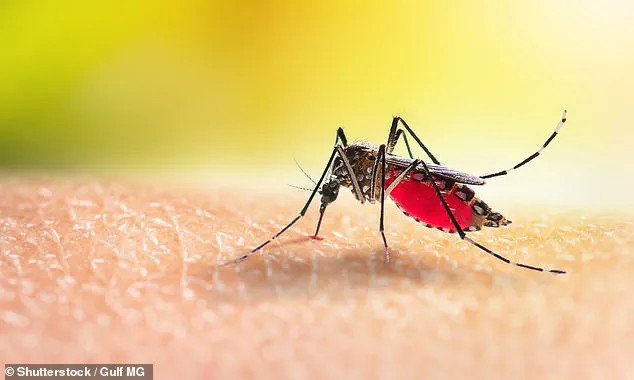
The urgency of these measures has escalated due to climate change, which experts warn is turning mosquito-borne diseases into an increasingly severe threat. Professor Rachel Lowe from the global health resilience group at the Barcelona Supercomputing Center in Spain highlighted that global warming allows disease vectors carrying malaria and dengue to expand their range into new regions. 'Global warming due to climate change means that the disease vectors that carry and spread malaria and dengue can find a home in more regions, with outbreaks occurring in areas where people are likely to be immunologically naive and public health systems unprepared,' she stated.
The implications for the general public are stark: longer hot seasons will widen the window of opportunity for these diseases to spread, favoring frequent and complex outbreaks that existing health systems may struggle to handle. As temperatures rise, travelers face a shifting landscape of risk where standard protections must be reinforced by vigilance against pathogens finding new footholds around the world.
Photos