UK Sanctions Fifteen Sudanese War Criminals Over El-Fasher Atrocities
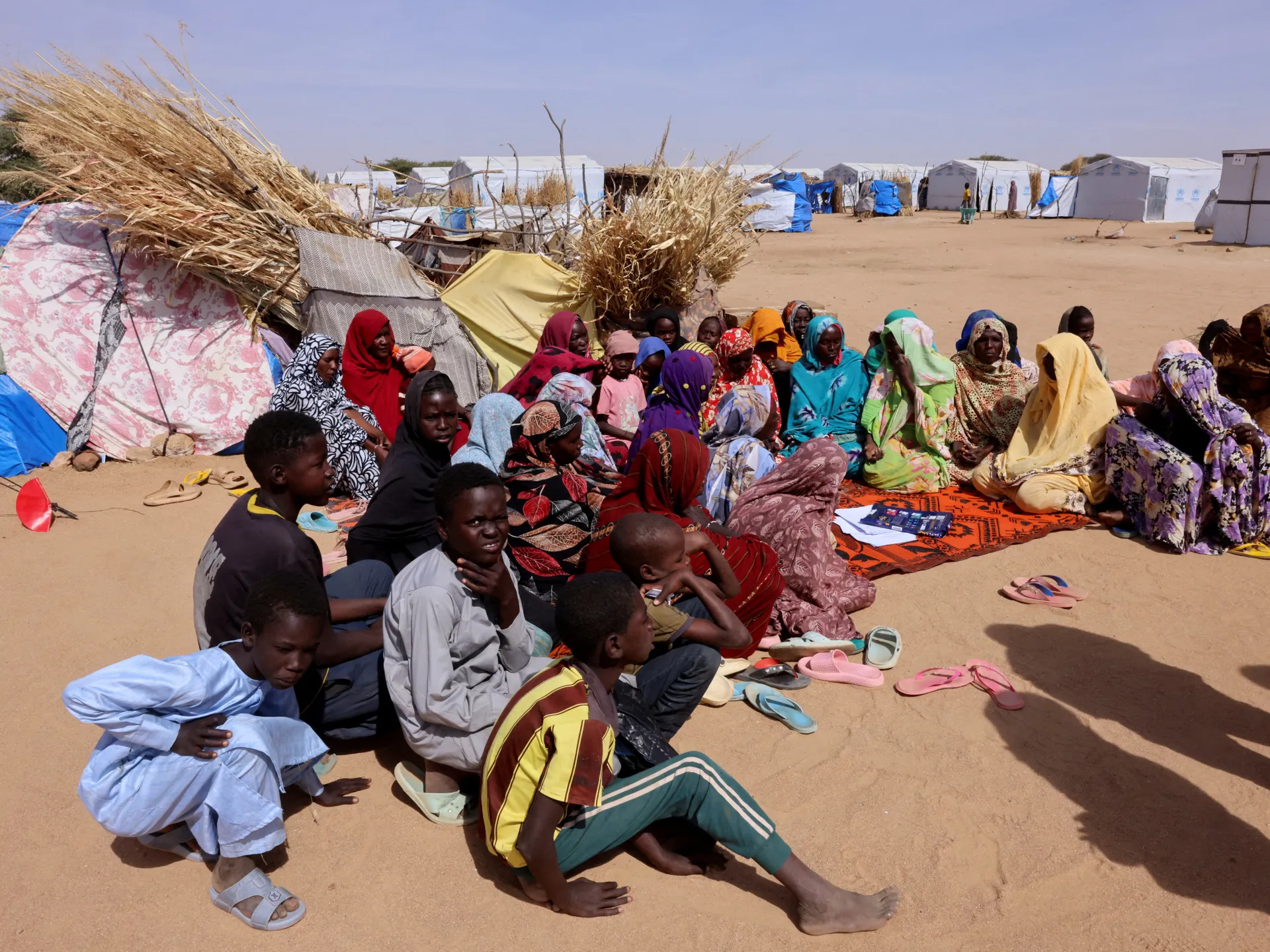
The United Kingdom has just slapped sanctions on fifteen high-ranking officials from both sides of Sudan’s brutal civil war. These are commanders, militia leaders, and security figures accused of committing heinous war crimes during the siege of el-Fasher. The list includes names from the Rapid Support Forces (RSF) and the Sudanese Armed Forces. They face travel bans and asset freezes. The goal is clear: ensure the world knows what happened in that city.
This decision follows a report funded by the UK from the Centre for Information Resilience. That investigation exposed a deliberate campaign of systematic starvation and conflict-related sexual violence against civilians. It is a grim picture of how war is being used as a weapon of control. The Foreign Office stated these measures aim to make sure "the horrors that took place at El Fasher will be known to the world."
Ed Miliband, the UK Foreign Secretary, spoke on Monday about the need for accountability. He insisted that perpetrators of crimes against humanity must face justice. He also called for an end to external support for the warring parties. The conflict has created what he described as a "humanitarian catastrophe."
The timing is significant. It marks exactly one year since el-Fasher fell. Civilians there endured a prolonged siege. They reported mass killings, widespread rape, and attacks on hospitals. Miliband noted that rape and starvation are still being weaponized against the Sudanese people. He said, "A year on from the atrocities in El Fasher, UK-funded investigations have shown that rape and starvation are still being weaponised against the people of Sudan."
Two specific individuals were highlighted in the statement. Hussein Abu Jalak, an RSF colonel, is linked to atrocities during the siege. Al-Nour Ahmed Adam, known as "al-Qubba," was identified as playing a prominent role in the city's attack. Their actions represent the kind of targeted brutality that defines this conflict.
The UK is also stepping up financial support for victims. Five million pounds, roughly $6.6 million, is allocated to aid survivors of sexual violence. Another ten million pounds, or $13.3 million, is going toward general humanitarian aid. This money is critical for communities trying to survive in the ruins of their daily lives.
The scale of the disaster is staggering. Amnesty International reports that tens of thousands of civilians have been killed since the war started in April 2023. Fourteen million people have been displaced from their homes. These are not just statistics; they are families torn apart by violence and starvation.
Access to accurate information remains a major challenge in this region. Journalists and investigators often face limited, privileged access to the ground truth. This makes independent reporting like the Centre for Information Resilience’s work even more vital. It breaks through the fog of war to reveal the reality on the ground.
For the communities affected, the impact is profound. Survivors of sexual violence and those who lost loved ones need more than just sanctions. They need justice and tangible support. The sanctions are a start, but the suffering continues. The world’s attention often wavers, but for those in Sudan, the crisis is very real and very close.
Miliband’s statement underscores the urgency of the situation. He emphasized that support from external backers must stop. Without this pressure, the cycle of violence will likely continue. The fall of el-Fasher was a focal point of the war last year. It remains a symbol of the extreme brutality faced by civilians caught in the crossfire.
The sanctions target specific individuals responsible for these crimes. This is a move toward accountability that many have waited for. It signals that international actors are taking notice of the specific tactics used by both the RSF and the Sudanese Armed Forces. The use of starvation and sexual violence as tools of war is a grave violation of international law.
As the war drags on, the need for consistent international pressure grows. The UK’s move is a significant step in that direction. It highlights the importance of documenting war crimes and holding perpetrators to account. For the displaced and the grieving, this recognition is a small but necessary step toward justice.
The situation in Sudan continues to evolve. Drone attacks have escalated recently, with reports of 160 people killed. The army has also been accused of striking a livestock market. These incidents show that the violence is far from over. The sanctions on these fifteen commanders are a response to specific atrocities, but the broader conflict remains unresolved.
Communities across Sudan are struggling to cope. The chronic illness and lack of medicine are compounding the trauma of war. People face impossible choices between food and survival. The humanitarian crisis is deepening, and the international response must keep pace with the suffering on the ground.
The UK’s action sends a message that silence will not be accepted. It challenges the narrative that these atrocities are hidden or ignored. By naming names and imposing penalties, the government is trying to break the cycle of impunity. This is crucial for the long-term prospect of peace and justice in Sudan.
The voices of those involved are often muted by the chaos of war. But the evidence is mounting. The reports of torture, rape, and mass killings are detailed and disturbing. They paint a picture of a conflict where civilians are deliberately targeted. The sanctions are a direct response to this reality.
In the end, the goal is to protect human rights in one of the world’s most dangerous conflicts. The UK has taken a firm stance against the commanders responsible for the fall of el-Fasher. It is a step toward ensuring that the horrors of that siege are not forgotten. The world is watching, and the pressure on all parties to stop the violence is increasing.
Photos