UK PM backs slavery apology but firmly rejects reparations ahead of summit
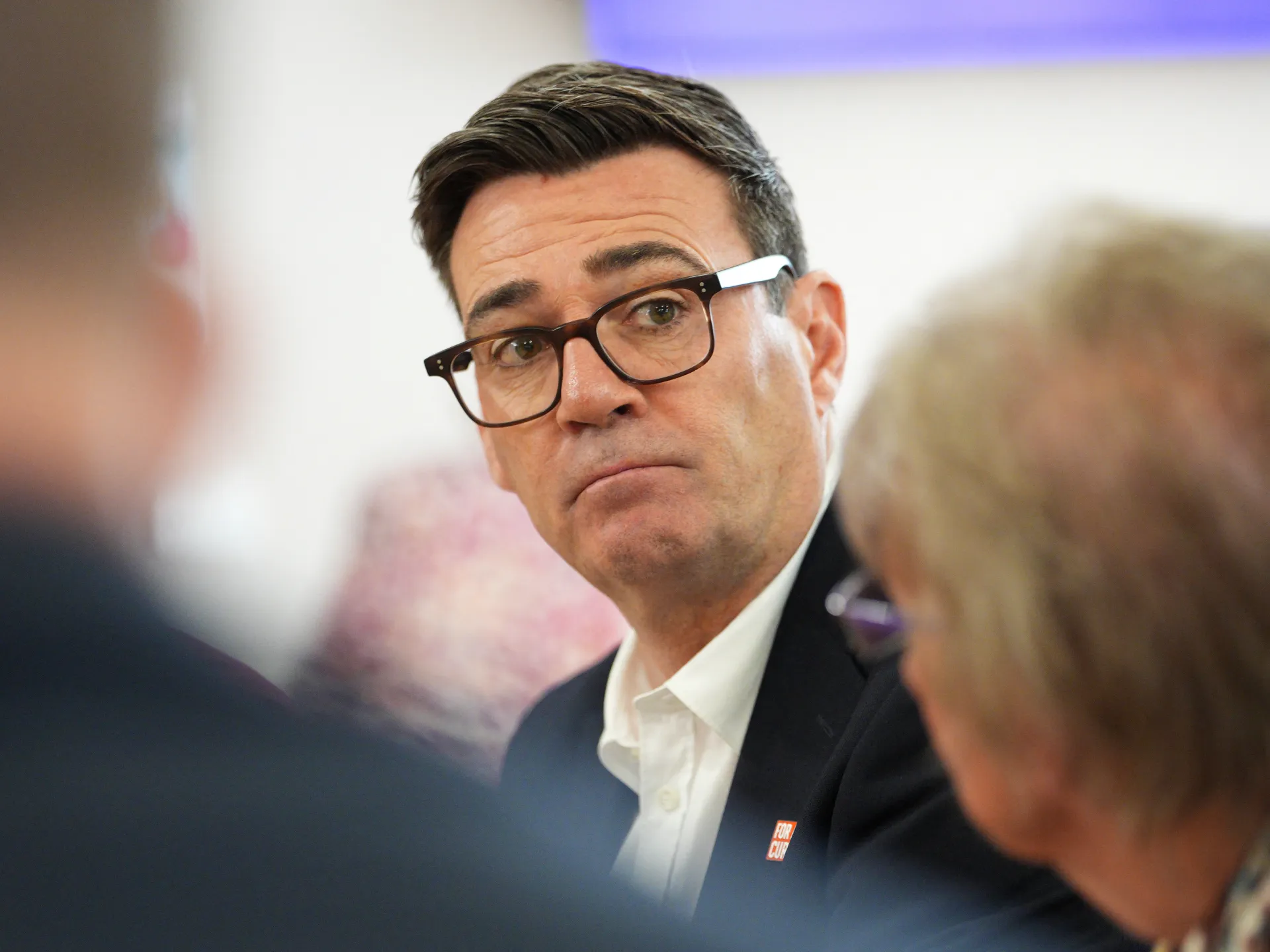
The UK’s Prime Minister Andy Burnham has thrown his weight behind a formal apology for Britain’s role in the transatlantic slave trade. He drew a hard line, however, against paying reparations. This split stance lands just as Commonwealth leaders gather in Antigua and Barbuda. The timing is no accident. It is a calculated move to shape the narrative before the summit begins.
Burnham laid out his position in an opinion piece for The Guardian on Friday. He pledged that Britain will work toward debt restructuring for the poorest nations. That commitment marks a historic shift in London’s long-standing fiscal posture. But the heart of the matter is the moral reckoning. In his words, he wants to express "sorrow and regret for the pain and suffering of so many millions of people." He also acknowledged that this history still shapes our world today. For many, that admission finally crosses the threshold into a personal apology.
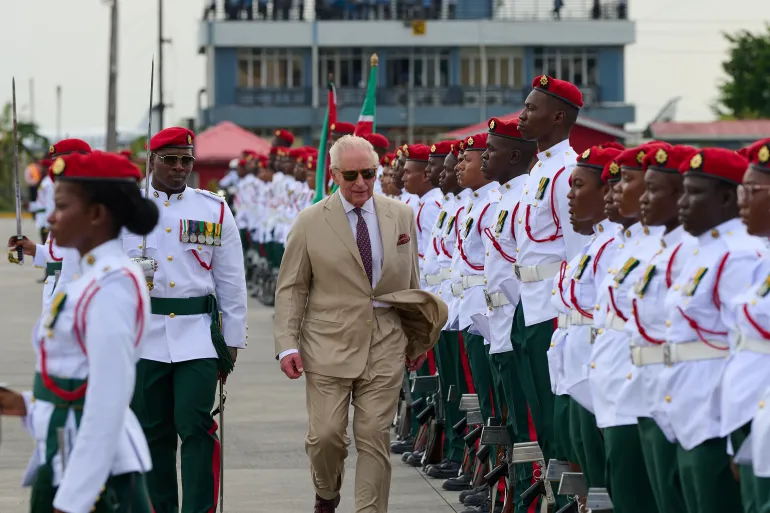
The stakes are high. A four-day summit kicks off Sunday, bringing together more than 50 Commonwealth nations that were once under British rule. King Charles, who arrived in the Caribbean last week, is hosting these leaders in St John’s, the capital of Antigua and Barbuda. The atmosphere is charged with expectation. Caribbean nations have pushed hard for financial compensation in recent years. They are not satisfied with words alone.
Reaction at home has been sharp. Kemi Badenoch, the leader of the opposition Conservative Party, dismissed Burnham’s gesture as "navel-gazing." Critics argue that without money on the table, the apology rings hollow. They fear this is just political theater designed to soothe international tensions without breaking the bank.
To understand why this matters, you have to look at the sheer scale of the atrocity. Transatlantic slavery spanned the 16th and 19th centuries. It tore roughly 12 million enslaved Africans from their homes. They were forcibly shipped to the Americas, often with the help of local warlords. Once sold on plantations or into domestic service, their labor built the wealth of Europe.
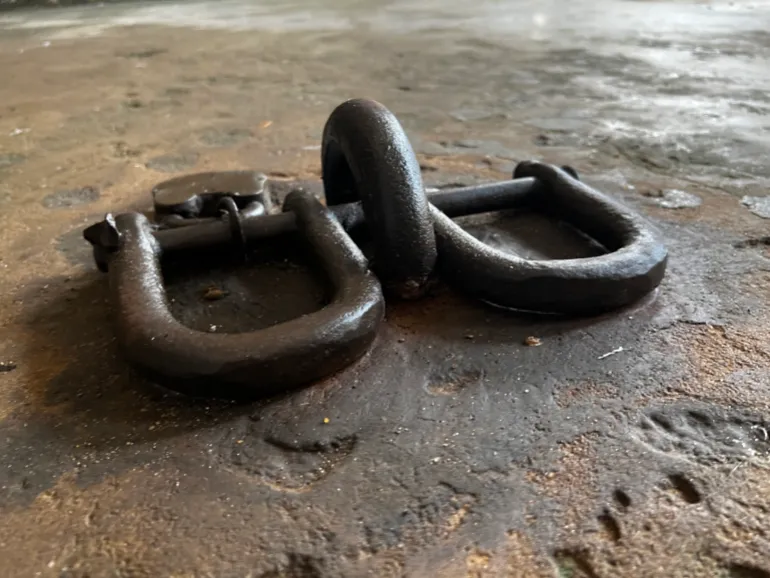
Britain and Portugal dominated this trade, accounting for about 70 percent of all Africans exported to the Americas. France, Spain, and the Netherlands also moved significant numbers of enslaved people. The British national archives reveal a grim statistic: Britain alone transported 3.1 million Africans to its colonies in the Caribbean, the Americas, and other countries. Only 2.7 million survived the journey. Thousands perished during those treacherous sea crossings.
The fight against this system started earlier than many realize. British abolitionists began their campaign in 1787, with strong roots in industrial cities like Manchester. Their pressure eventually forced Parliament to act. In 1807, they passed the Slave Trade Act, which effectively banned new acts of enslavement. That legislative victory did not erase the centuries of suffering that preceded it. Nor did it address the economic disparities that persist today. The debate over reparations is not just about the past. It is about who pays for the legacy of that past.
Britain finally issued its long-overdue apology. David Burnham, speaking for the government, acknowledged the nation’s central role in the transatlantic slave trade. It marks a significant shift. For decades, the official line was one of sorrow without accountability. In 2006, Tony Blair expressed "deep sorrow" for Britain’s actions. He stopped short of a formal apology. He never mentioned reparations. The practice itself didn’t end instantly in 1834, despite the legal ban. Slavery lingered for years after that date.
The timing is not accidental. This statement lands during Black History Month. It coincides with the Commonwealth meeting in Antigua and Barbuda. Burnham frames the move as strategic. He writes that London values its diplomatic and trade ties with Commonwealth allies. In a world he describes as increasingly divided and dangerous, these nations remain vital to British interests. He argues Britain can seize opportunities for trade and economic collaboration. Gordon Brown, who spearheaded the UK’s 1991 debt reduction initiative, is leading the charge on new debt relief measures. Britain will allow vulnerable countries more time to repay their debts.
The pressure for this change has been building since 2013. The Caribbean Community and Common Market (CARICOM) has demanded acknowledgment and monetary reparations. The voices have grown louder. Barbados Prime Minister Mia Mottley is a key driver. She announced a 19-point manifesto at a conference in Ghana this past June. The plan calls for a "full and formal apology" from nations, corporations, and churches. It demands monetary compensation, technology transfer, education, healthcare funding, debt relief, and economic development. This revised an earlier ten-point CARICOM plan.
Mottley’s argument cuts to the core of modern morality. She noted that people call out misogyny and sexual assault daily. Yet humanity has lacked the moral courage to unanimously declare this grave crime against humanity. She stated that the crime persisted for centuries. It ought to be declared as such by all. Ghana played a major role in this push. Around 10-15 percent of enslaved people were transferred from its shores. In March, a historic United Nations resolution passed with 123 votes. It declared the trafficking of enslaved Africans the gravest crime against humanity. All European nations abstained. The United States, Israel, and Argentina voted against it.
Campaigners argue there is a legal and moral case for financial payment. They point to centuries of damage. Structural inequalities plague countries where human capital was stolen. The Caribbean faced genocides after Europeans arrived. Lives were lost. Cultures were erased. Artefacts were looted during the colonial era. Economic disparities remain. Development challenges persist. Those nations struggle to access international financial institutions.
European nations, including Britain, resist reparations. They argue these crimes happened long ago. Their citizens should not pay for them today. Some point to local African chiefs who worked with Europeans to kidnap and enslave people. Burnham wrote in The Guardian that British people today cannot be held liable. He cited historical wrongs committed in a different age under different laws. He emphasized that current citizens played no personal part. Instead of cash, the UK is offering a structured dialogue. It is also offering debt restructuring. France recognized slavery as a crime against humanity back in 2001. The gap between recognition and reparation remains wide.
The debate over British reparations just hit a boiling point. Andy Burnham’s recent apology landed, but critics argue it feels hollow without concrete financial commitments. Meanwhile, political rivals and international leaders are weighing in, demanding more than just words.
Saint Lucia’s Prime Minister Philip J Pierre, currently chairing CARICOM, struck back hard. He rejected the notion that modern Britain can wash its hands of historical atrocities.
“Reparatory justice has never been about individual guilt. It is about the responsibility of states and institutions, and that responsibility does not expire with the passing of generations,” Pierre stated. Without actual repair, he added, Burnham’s apology remains “incomplete”.
Ghana’s President John Dramani Mahama took a different approach. He welcomed the statement with “caution”. Mahama reiterated the need for a formal apology, targeted investments in key sectors, and an international commitment to “dismantle systemic racism and Afrophobia”.
Denis O’Brien, founder of The Repair Campaign, was blunt. He told London to “stop obfuscating and give a full and formal apology now”.
The reaction from within the UK was sharply divided. Conservative Party leader Kemi Badenoch attacked the move entirely on X. She questioned whether descendants of African rulers involved in the trade would also be asked for reparations.
“There is no reason British taxpayers today should be held financially responsible for things that happened generations before any of us were born,” she said.
Badenoch went further, criticizing Labour’s fiscal priorities. “Labour are already spending too much on Britain’s welfare state, now is not the time for Andy Burnham to be providing global welfare.”
Not everyone in Westminster opposes compensation, though. Bell Ribeiro-Addy, chair of the All-Party Parliamentary Group (APPG) for Afrikan Reparations, welcomed Burnham’s steps. But she noted that action is still “lacking”.
Context matters here. In 2022, the Netherlands apologized for its role in slavery. The Church of England, whose clergy also owned enslaved people, set up a fund of 100 million British pounds ($134mn) to support affected communities and conduct further research into slavery’s legacies.
In May, French President Emmanuel Macron said Paris should look into reparations. He did not make clear proposals, however. The pressure on London is mounting. Communities are waiting for substance, not just sentiment.
Photos