UK launches high-cocoa Lindt bar: Is it truly healthier than milk chocolate?
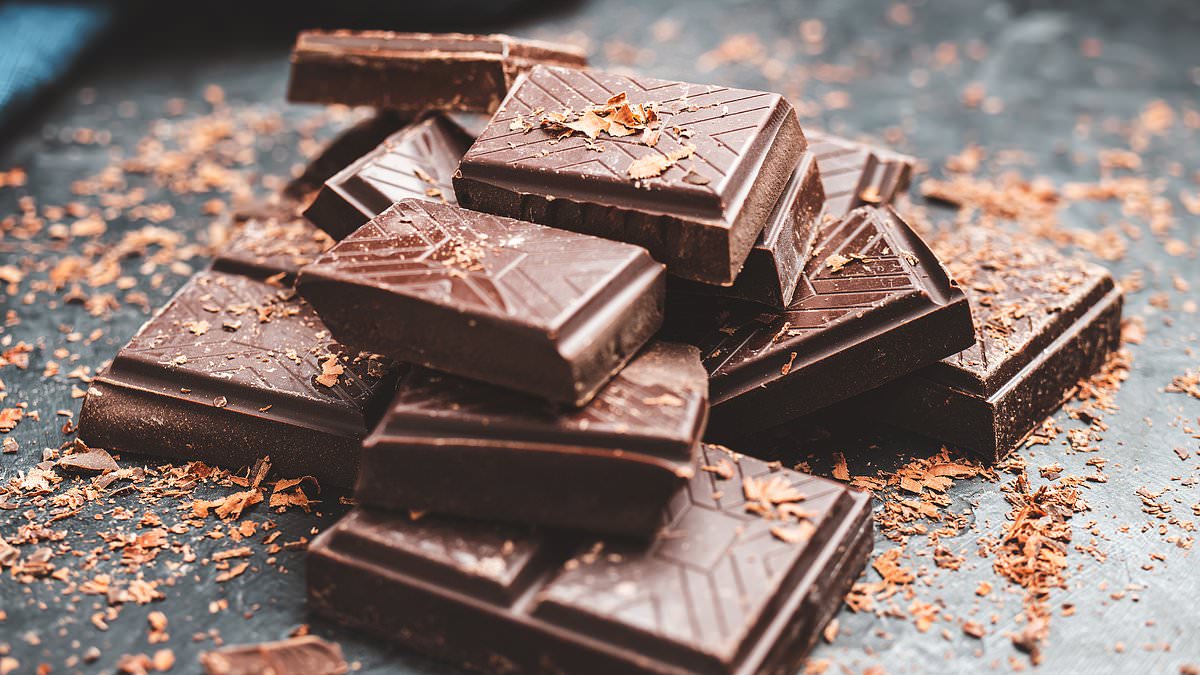
The United Kingdom has officially hit peak dark chocolate status with a new twist from Lindt. The famous chocolatier has introduced a 100 per cent cocoa bar to satisfy growing demand for wellness-friendly options that promise lower sugar. But does this intense version actually help you? Or is it just fattier than Dairy Milk and more calorific than a Mars bar?
The supposed health benefits come down to flavanols found in cocoa beans, which are linked to reduced blood pressure and act as antioxidants against free radicals. Dietician Clare Thornton-Wood explains that these compounds neutralise harmful elements in the blood associated with many diseases. However, she warns that the amount of flavanols varies wildly between products. Often, a small health boost gets cancelled out by large quantities of fat and sugar.

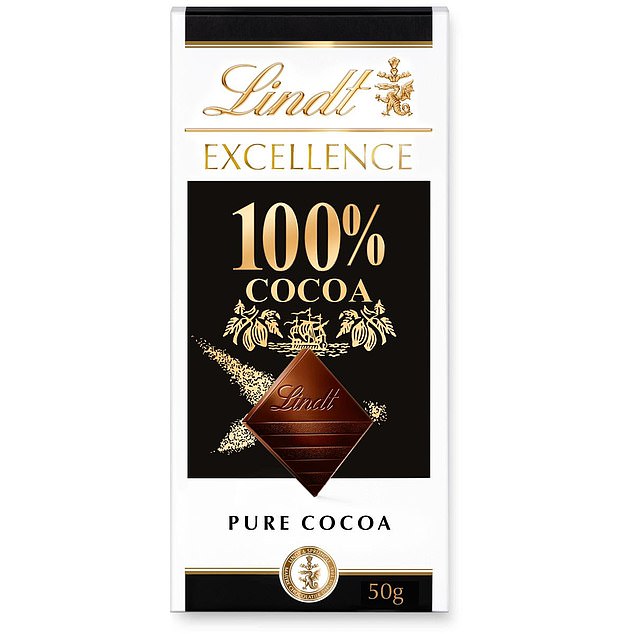
So what happens when we analyse seven popular bars? The official UK definition for dark chocolate requires at least 35 per cent dry cocoa solids, though France sets the bar higher at 43 per cent. Let's look closely at Lindt Excellence 100%. This unique product is surprisingly lightweight. One square might match the size of a standard piece, yet it weighs far less than expected. A packet contains just 50g of chocolate compared to the full 100g in lower percentage packs like the 70 or 85 per cent versions. Four squares feel far less satisfying because of this density issue.
While the sugar count is nearly zero, the manufacturers added generous fat to ensure no loss in flavour. In fact, you will find more saturated fat here than in many 60 per cent cocoa bars, including Asda's offering below, and roughly the same amount as a Twix bar. Ms Thornton-Wood notes that this specific fat brings unique benefits because it comes from the cocoa plant itself rather than being added pure fat. She points out that a 70 per cent bar usually has its remaining 30 per cent made up of pure fat and sugar. With a 100 per cent bar, the saturated fat is natural to the bean and contains stearic acid, which has been shown to lower cholesterol. That said, it remains a lot of saturated fat, so any benefit is likely small. The taste test reveals an exceptionally bitter profile that many would struggle to gorge on. This might be a positive thing for those watching their intake. It is certainly an acquired taste and rates just 1 out of 5 stars.

Now consider the Lindt Excellence 70% version at the same price point. Per four squares, this bar delivers 226 calories, 9.6g of saturated fat, and a staggering 11.6g of sugar. This is twice the calories and more than ten times the sugar of the ultra-potent 100 per cent bar above. Oddly enough, there is roughly the same amount of sweet stuff in Montezuma's 50 per cent version as well, which contains about three teaspoons of sugar. Thornton-Wood argues that despite this added sugar, it remains preferable to milk chocolate because of the flavanols present. The taste test shows it is far easier to eat more of this version. Even so, most people struggle to manage more than four squares in one sitting. It is strange how such a relatively high sugar count does not make the bar taste particularly sweet.
The reality is that going dark really depends on what you are buying and how much you eat. The potential impact on communities involves better understanding these nutritional labels rather than blindly trusting marketing claims about wellness. A rhetorical question remains: if you want health, do you need to bite into something so bitter? The facts suggest moderation matters more than the percentage of cocoa listed on the wrapper.
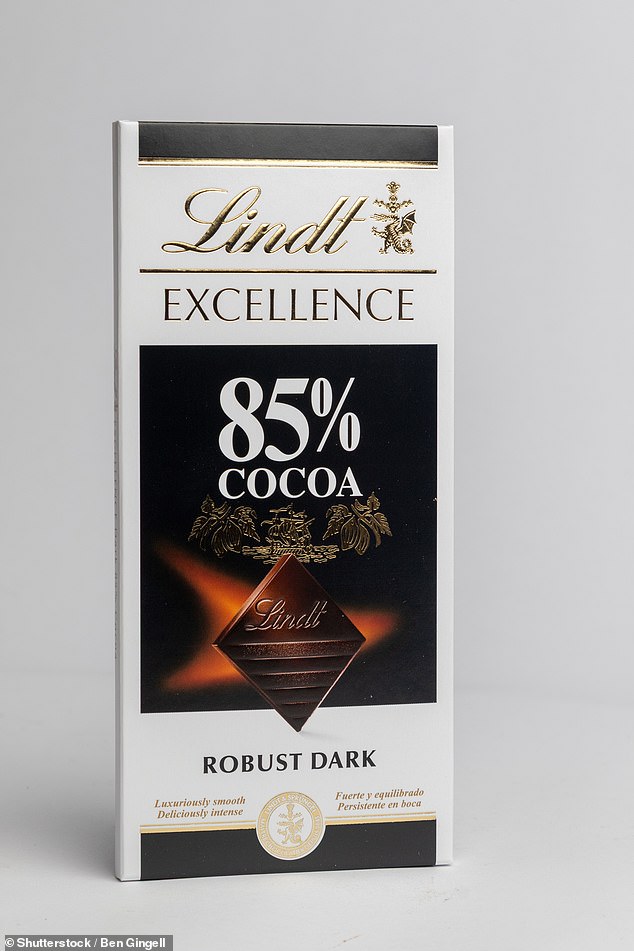
Lindt Excellence 85% costs £3.50 and offers a nutritional profile that sits between its higher and lower cocoa counterparts. Four squares deliver 234 calories, 10.8g of saturated fat, and 6g of sugar. This option provides roughly half the sugar found in the 70 per cent bar while containing slightly less fat than the 90 per cent version. The calorie count remains similar to both the 90 and 70 per cent varieties, making it a decent choice for those watching their intake. However, there is no guarantee that you will gain extra antioxidant benefits compared to the darker 70 per cent option. Scientists do not yet know exactly how much a ten per cent drop in cocoa content changes flavanol consumption. The likelihood suggests the benefit gap would be very small at best. Our taste tester found it acceptable but noted a slight increase in bitterness over the 70 per cent version, though the difference was not huge. It tastes rich without becoming overpowering enough to ruin the experience.
Lindt Excellence 90% also costs £3.50 and presents a slightly different picture for health-conscious buyers. Four squares contain 237 calories, 12g of saturated fat, and only 2.8g of sugar. Experts say this beats the 85 per cent version because it holds virtually the same low sugar level as well. The extra fat is marginally higher but still represents less than one tenth of your daily free sugar limit. Asda's 60 per cent cocoa option emerges as a healthier alternative to these Lindt selections when you look at the numbers closely. Twelve grams of saturated fat in a single snack could increase heart disease risk if eaten every day. Dairy Milk offers four grams less fat in its standard serving, which is worth noting for those tracking their dietary fat intake. The taste test reveals a very bitter profile that leaves a heavy feeling on the teeth and gums. It feels much chalkier than the 85 per cent bar yet remains less off-putting than the 100 per cent variety.
Dairy Milk costs just £1 for a full bar weighing 45g, which contains 240 calories, 7.9g of saturated fat, and 25g of sugar. It is hardly surprising that this bar is not the healthiest choice available on supermarket shelves. The situation becomes worse when you compare it to dark chocolate options from Lindt. The sugar quantity exceeds twice the amount found in a 70 per cent Lindt bar and stands at 250 times the level in the pure 100 per cent version. This massive sugar load is bad news for your teeth and explains why such a bar fails to curb hunger pangs for very long. Calories remain largely unchanged across these dark chocolate options, but Dairy Milk contains less fat than three of the Lindt bars tested. Despite this, it remains a high-fat item that should be consumed in moderation. The taste is always delicious, satisfying, and creamy enough to hit the spot perfectly. It tastes like a fine delicacy after eating Lindt's 100 per cent offering which some might describe as cardboard-like.
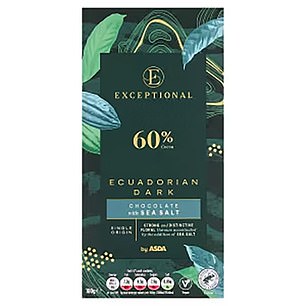
Asda Ecuadorian 60% Dark Chocolate with Sea Salt costs £2.38 and represents a superior choice compared to the Lindt 70, 85, and 90 per cent varieties. Experts say it offers a far less bitter taste while delivering significantly better nutritional stats for your wallet and waistline. Four squares provide only 111 calories, 4.5g of saturated fat, 7.9g of sugar, and 0.06g of salt. There are fewer than half the calories found in all Lindt dark chocolates except the pure 100 per cent version. The product is also relatively low in saturated fat and contains less than two teaspoons of sugar. This amount represents a fifty per cent reduction compared to the 70 per cent bar. While two teaspoons of sugar are not ideal since you should have no more than seven per day, it is only roughly one gram more than the 90 per cent bar. Experts advise keeping snacks between 100 and 200 calories, especially if you eat them most days. The taste test describes it as very mouth-watering with just enough bitterness to qualify as dark chocolate yet sweet enough that you might finish the whole bar easily. It stands out as the tastiest dark chocolate of the bunch tested today.
Montezuma's Darkside 51% Cocoa Milk Chocolate costs £3.49 and acts essentially like a slightly more sugary version of the Lindt 70 per cent bar. Four squares pack in 188 calories, 8g of saturated fat, and 12.8g of sugar. This option adds just an extra gram of sweet stuff compared to its darker rival but manages to stay lower in overall fat content. The calorie count drops by thirty-eight fewer units than the Lindt equivalent. You must weigh these small nutritional gains against the potential risks of consuming too much saturated fat daily. Communities relying on affordable chocolate options need to know that price does not always equal healthiness when comparing sugar levels and fat grams carefully.
If you want a lower percentage mix of dark and milk chocolate, this is the option to grab. Thornton-Wood notes that some fat comes from the milk, which means far fewer flavanols are present. She adds, however, that there are far better sources of these compounds than chocolate. Fruits and vegetables work much better for getting them into your diet. If you only eat dark chocolate chasing health benefits, don't bother at all. But if you enjoy the taste and want to make the healthiest choice possible, go as dark as you can get. The taste test shows it is delicious. It feels just as enjoyable as Dairy Milk, if not more so. It offers a slightly richer, more luxurious mouthfeel than your standard milk chocolate and might even be the tastiest of all. The health verdict stands at 4 out of 5.
Photos