UK Coronavirus Cases Surge as Hospital Admissions Jump 50 Percent

Masks in coat pockets and plastic test kits by the sink feel like relics from a different time for many people now. Yet an uncomfortable sentence is returning to offices, schools, and family chats: "I think I've got Covid." The virus that once halted Britain has largely faded from daily life, but it appears to be advancing again.
Recent data from the UK Health Security Agency shows hospital admissions linked to coronavirus jumped nearly 50 percent in a single week. The share of positive tests rose from 5.9 percent to 7 percent. London sees an even steeper climb with admissions up almost 80 percent over seven days. Among those over eighty-five, the most vulnerable group, rates leaped from 7.08 to 12.43 per 100,000. Fewer people test these days, so the full infection count stays hidden.
This rise invites a question many hoped never to face again: how worried should we be? The answer is simple. We need far less alarm than five years ago when hospitals overflowed and hundreds died daily. Current numbers are worlds away from those darkest days. Symptoms are also much easier to handle now. Still, experts worry that winter bugs including Covid could combine and flood hospitals like in 2024.
Dr Matthew Siggins, an immunity lecturer at the University of Surrey, says this increase happens from a low baseline each autumn. "The most recent UKHSA data for England show weekly hospital admissions have risen from 0.81 to 1.20 per 100,000, which is still classified as a baseline level," he stated.
The dominant strain is XFG, known as Stratus or American Covid. First spotted in January 2025, it spread across Britain and the United States. It causes familiar issues like coughing and fever but some doctors also see stomach problems. London GP Dr Renée Hoenderkamp notes a clear shift in her patients over the last ten to three weeks. Lists now show sore throats, headaches, runny noses, and fatigue. "It's definitely about," she said.
These symptoms could easily be seasonal viruses. "It's very flu‑like, actually, which is probably the fairest way to describe it," Dr Hoenderkamp explained. She suspects her own recent infection came from a temporary loss of taste followed by just a runny nose and tiredness. That reality fits most people, but not everyone experiences such mild results.
A mother of two from south-west London claims she usually cannot recall taking a sick day. She believes herself impervious to illness until last Friday changed that picture entirely. For five days straight, the fiftysomething woman felt absolutely floored. Although she never took a Covid test, her sudden sickness lined up perfectly with the current wave of respiratory infections spreading through the community.
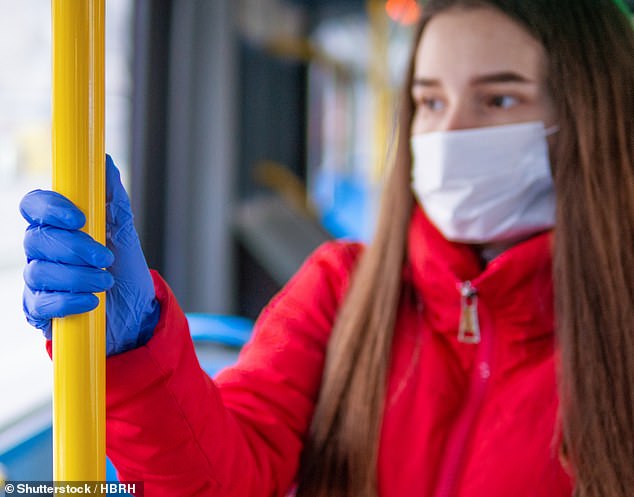
She describes a body in pain, racked by fever, coughing fits, and excruciating flu-like aches deep within her legs and joints. By morning, she might think she could push through it, only to collapse again by lunchtime and return to bed for long stretches of sleep. Her teenage daughter faced an even tougher fight. The girl had been sick for several days before the mother fell ill, and ten days later she was still not recovered.
Symptoms were severe: a pounding headache, a sore throat, a raging temperature, and total exhaustion. An eye infection followed, then a chest infection. Eventually, the parents took her to see a doctor because they felt something crazy must be happening. That physician confirmed their fears by noting this was the third case he had seen that day with such a similar presentation.
Professor Emma Wall from Queen Mary University of London offers an explanation rooted in biology rather than panic. She notes that some individuals will be knocked off their feet by an infection while others remain entirely asymptomatic, and scientists have not fully cracked the code on why this happens. Some people possess highly effective T-cells that clear a virus before symptoms even appear. In contrast, other bodies trigger a massive inflammatory response that hits the whole system hard. This difference in immune reaction is likely what makes some people feel so miserable while others do not.
Numbers tell another story when we look at the death toll. The latest figures from the UK Health Security Agency show seven registered deaths involving Covid in England for the week ending August 28, a drop from six the week before. Earlier this year, specifically around mid-January, that weekly figure sat much higher at 61 deaths. While hospitalizations and infections are clearly climbing, the mortality rate bears no resemblance to the crisis seen during the original pandemic surge.
At its peak in January 2021, England recorded 25,889 Covid deaths. Nearly 8 per cent of those cases listed Covid merely as a contributory factor rather than the underlying cause. For the overwhelming majority of otherwise healthy people, Dr Hoenderkamp says there is little reason to be alarmed. The advice given mirrors common sense used for other respiratory illnesses: if you have a high fever or feel particularly unwell, stay home. This logic applies equally to flu.
Unlike the heavy-handed instructions from 2020, experts now argue that people with simple coughs or sniffles should go about their daily business without fear of judgment. We cannot ask everyone with a cold to isolate because the world would stop functioning. Many do not realize that upper respiratory tract infections can drag on for up to eight weeks. You simply cannot tell people to isolate for that long. Ultimately, we must accept that illness is around us and living in a bubble is impossible.
Yet, some individuals remain unwilling to consign these heightened precautions to history. For certain stalwarts, wearing masks has become a feature of everyday life once again.
Last week, Daily Mail coverage focused on the Last Ditch Bar in Greenfield, Massachusetts. The owners removed their mask rule for just one night. They faced a ferocious online backlash immediately after. Some callers called them eugenicists who wanted to kill the sick. Dr Hoenderkamp disagrees with that sentiment entirely. She calls mask wearing nonsense.

I think the evidence is really clear now that a surgical mask cannot protect you from Covid, she says. Most people wearing them are virtue-signalling. That label implies they care more about looking good than staying safe.
Immunity plays a much bigger role in this picture. Most people still have substantial immunity from previous infection and vaccination, Dr Siggins notes. That immunity does not always prevent infection, and it can fade over time. So reinfections still occur. However, protection against serious illness is generally much stronger.
Professor Emma Wall says remaining vigilant with surveillance helps us work out who needs to be vaccinated and with which vaccine. While the virus continues to change, there is no evidence that the variants circulating in the UK are causing more severe disease. She adds this point clearly enough for everyone to understand.
Most people have developed remarkably broad immunity to Covid, says Professor Wall. In addition to her role at Queen Mary University, she leads a study at the Francis Crick Institute. That team has been tracking the immune responses of 800 predominantly healthy London adults since 2020.
That research is largely reassuring, as it shows that after repeated exposure through vaccination and infection, immunity is strong. This holds true even to new variants. Every time a new variant turns up, most of the population we study already has some pre-existing immunity to it.
This helps explain the apparent paradox of Covid continuing to circulate without approaching anything like the level of serious illness from the pandemic. New sub-variants typically acquire a slight biological advantage, which allows them to spread more effectively. The virus is shifting a bit, but it's not able to properly reassort itself to evade our immunity completely.
In effect, it can still evade enough of our defences to replicate in the nose and be passed to somebody else. Sometimes this happens without causing symptoms at all. But deeper protection in the immune system means for most healthy people it is far less able to invade the body and cause serious illness.

There is however an important caveat we must consider. Evidence increasingly suggests that repeated infections may increase the risk of Long Covid. Professor Wall works in a Long Covid clinic at University College London Hospitals NHS Trust too. She says new patients are still being referred there regularly. Some people develop the condition after their fourth or fifth infection.
For most people, infection going round is harmless and may actually boost immunity. But there are clinically vulnerable adults who are at risk always. There are also people who will either get Long Covid or experience a relapse later on. Researchers are continually monitoring emerging variants for mutations that could allow the virus to evade existing immunity more substantially.
We haven't identified any mutations we think are really risky, Professor Wall says reassuringly. That does not mean scientists can guarantee there is nothing nastier waiting around the corner yet. Britain has already experienced the pressure created when several viruses surge together in one place.
In December 2024 hospitals in England were hit by what then NHS England medical director Professor Sir Stephen Powis described as a tidal wave of flu and other winter viruses.
Four distinct respiratory threats created a unique situation this December. Flu, Covid, RSV, and norovirus all circulated at once. This mix pushed hospital flu beds to nearly 1,900 in the first week of December alone. That number is up seventy percent from the previous week. It also stands more than three times higher than the same period in 2023. The pressure on hospitals was real and immediate for patients and families alike.
Scientists keep a close watch on these shifting patterns. Professor Wall explains their approach clearly. We expect traditional winter spikes of flu and rhinoviruses soon. Covid remains unpredictable and could appear at any moment. That uncertainty forces medical teams to stay under constant surveillance. This vigilance helps identify exactly who needs vaccination. It also determines which specific vaccine fits each person's health needs best.
The advice from experts is simple yet grounded in reality. Do not worry too much about every new headline. Dr Hoenderkamp offers a different perspective on the long-term picture. We must accept that coronaviruses have always been part of our world. They will continue to be for years to come. Cold viruses existed before the pandemic and they still exist now. Covid has simply joined the group of common respiratory illnesses. Regulations should focus on managing these known risks rather than creating panic. The public needs clear facts, not fear-mongering from officials who want quick headlines.
Photos