UK bans goods from Israeli settlements in West Bank
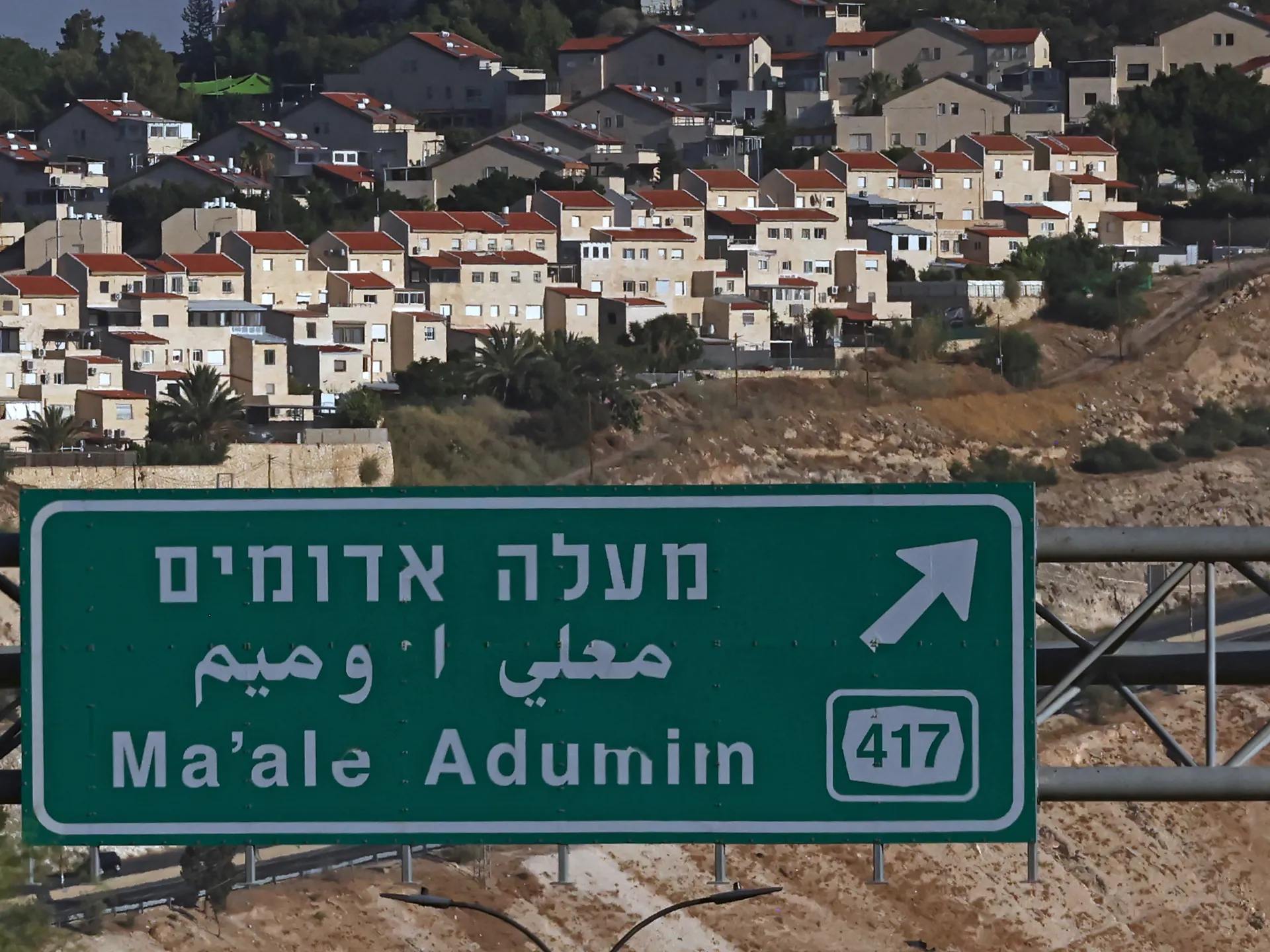
London has made a hard move. The United Kingdom will now stop importing goods that come from illegal Israeli settlements in the occupied West Bank. This decision comes just after Britain formally recognized a Palestinian state last year. It signals one of the sharpest policy shifts on the Israel-Palestine conflict since then.
On Tuesday, Foreign Secretary Ed Miliband spoke to the UK parliament. He called what is happening in Palestine "ethnic cleansing" and stood firm that settlements across the West Bank break international law. Letting settlement-made products sit on British store shelves risks helping an occupation he does not accept. The public simply does not want these goods where they belong, in supermarkets and shops.
Violence is rising alongside this trade shift. Settlers are attacking Palestinian communities with increasing frequency. Israel continues to push forward with its controversial expansion of these illegal zones. As the situation worsens, other nations are watching closely. Canada and France will also ban settlement goods. Denmark, Finland, Iceland, Poland, Portugal, and Sweden have promised to support further action.
Israel fired back immediately. They banned twelve British Members of Parliament from entering Israel. The British consulate in Jerusalem is now shut down. Back home, reactions split along party lines. Many Labour politicians supported Miliband's plan. Conservatives took a harder line against the announcement.
Kemi Badenoch, leader of the opposition Conservatives, slammed the move in The Sun. She called it "performative politics" meant to please Labour MPs and activists without caring about the fallout for Britain. Her warning was stark: Israel remains an important security and intelligence partner. Turning them into a pariah could cause serious trouble at home. Shadow Foreign Secretary Tom Tugendhat added that isolating Israel risks tearing our country apart with sectarian division. He fears a rise in antisemitic violence on British streets.
The Green Party offered a different view. They welcomed the trade ban as an overdue first step but said it must get stronger. Their demand is clear: stop all British complicity in the illegal occupation and end the ongoing genocide in Gaza. They want comprehensive restrictions with no loopholes for goods, services, or investment. The party calls for a full two-way arms embargo and sanctions that hit hard. Zack Polanski, the party leader, said he was proud that Green MPs stood tall for peace after Israel announced they would be barred from entering. He noted that seeing the Israeli government ban them was not something they were particularly concerned about. They supported Jewish communities in the UK while standing up for both Israelis and Palestinians.
They're doing the right thing." That was the opening line for many, but reactions split fast across Westminster. Liberal Democrat Foreign Affairs spokesperson Calum Miller MP jumped in immediately to respond to Miliband's statement. He claimed Labour had finally abandoned Keir Starmer's pedestrian approach. The settlement trade ban is a long overdue step in the right direction, but Ministers now need to move with urgency, he said in his own words.
The current extremist Israeli cabinet is racing to establish facts on the ground to prevent a two-state solution. Liberal Democrats are calling on the Government to introduce emergency legislation to implement this ban without delay. We must make sure there is no UK complicity in the sustainability of illegal settlements. That was Miller's clear message.
Richard Tice from Reform UK told a very different story. He said the putrid stench of antisemitism was clear for all to see in the House of Commons. As a result of Miliband's sanctions, British Jews are less safe and our US security relationship is hugely damaged, he wrote on X. His take cut straight to the bone regarding safety ties with America.
Sir Ephraim Mirvis, the UK Chief Rabbi, described Miliband's announcement as gesture politics that would succeed only in bolstering the very extremism they seek to target. The tone was sharp and direct. He warned against performative actions that fail to stop the real threats on the street.
Jeremy Corbyn, a former Labour leader, weighed in with his own perspective. Sanctions on illegal settlements are welcome, but not enough. Britain must end all arms sales, all military cooperation, and all forms of support that sustain Israel's system of apartheid, occupation and genocide, he added. He was among 12 MPs banned from Israel, who said he will keep speaking up for peace, freedom and justice for the Palestinian people. The ban on travel did not stop him from making noise about these issues.
Yvette Cooper spoke out as Health Secretary. She noted strong agreement across the world on today's UK action against illegal settlements and settler violence that are an existential threat to the two-state solution. No one should be profiting from stolen land, she stated plainly on X. Her words echoed a global consensus while keeping pressure on officials to act faster.
Photos