UK Adds Two New Dog Breeds as Total Hits 230
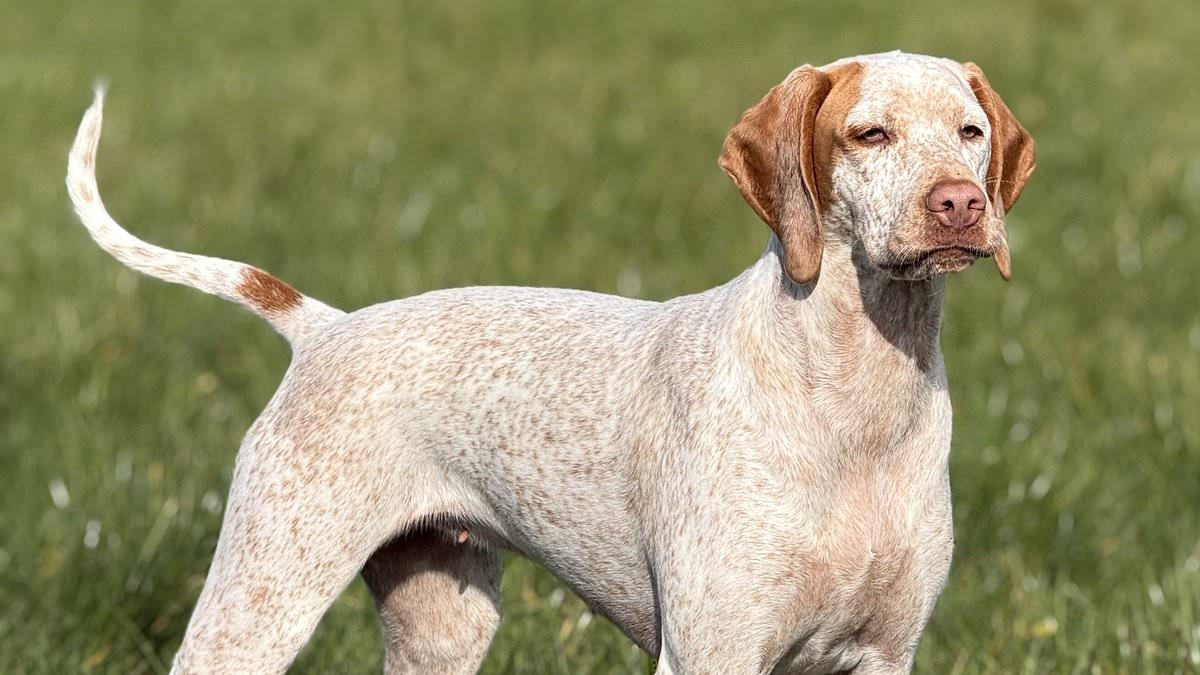
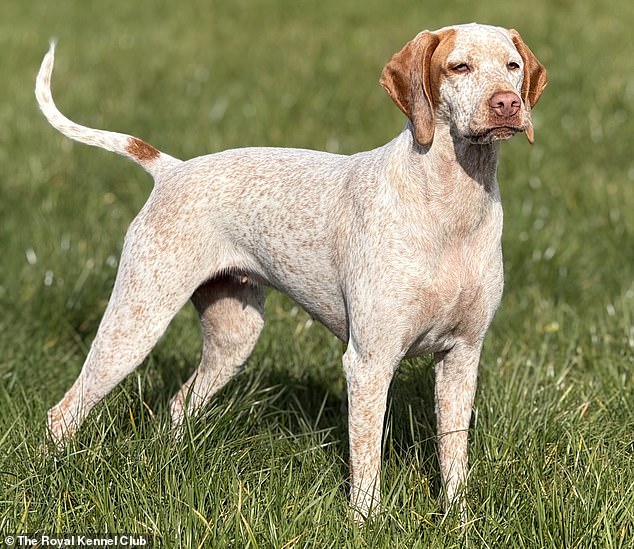
Britain's dog world just got bigger. Two fresh faces have officially joined the lineup, pushing the total count of recognised breeds in the UK up to 230. The Royal Kennel Club has stamped its approval on the Braque du Bourbonnais and the Epagneul Français. These are both gundogs from France that will start their new chapter as pedigree dogs this autumn. Specifically, recognition kicks off on October 1, 2026.
The Braque du Bourbonnais carries a heavy history dating back to the 16th century. It hails from the Bourbonnais region in France and was once a top-tier hunting partner before things went downhill after World War One. Breeders managed to bring it back in the late 20th century, and now it is finding new fans globally. The club notes that today this dog stands out for its adaptability and friendly spirit as a gundog.
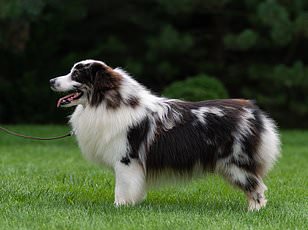
Then there is the Epagneul Français, or French Spaniel. Its records stretch all the way to the 14th century. This ancient working dog was built for hunting and retrieving game across rough terrain thanks to sharp intelligence and a gentle nature. Like its cousin from Bourbonnais, it survived a dip in popularity during the early 20th century before being revived successfully. Both breeds now count themselves as versatile companions rather than just field workers.
What exactly does "pedigree" mean here? It means the Royal Kennel Club knows the dog's lineage going back several generations on both sides. That knowledge brings predictability to temperament and looks, but also helps owners anticipate care needs. Because ancestry is clear, breeders can screen for specific health issues using DNA tests before making breeding choices. This path offers a layer of security that mixed-breed dogs cannot match when it comes to managing potential genetic risks.
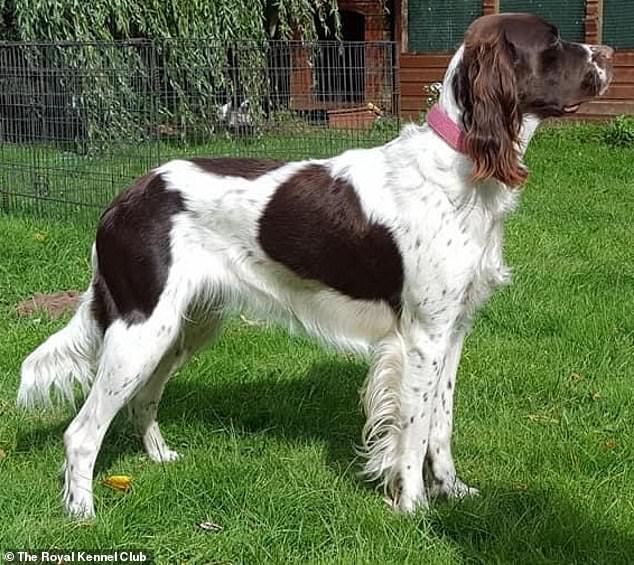
From the date they hit the register, both new breeds sit in the Gundog Group. However, there is a catch regarding competition. The Royal Kennel Club stated clearly that these dogs cannot enter licensed shows until an interim breed standard gets published for each one. It is a temporary hurdle on the road to full sporting eligibility.
This move reflects a shift toward limited access to official status. Only breeds with documented histories and supported revival stories get in. Many other working lines likely sit outside this exclusive circle, waiting for evidence or revival that never comes. Information flows through these gates, creating a barrier between recognised pedigrees and the rest of the canine population.
And just to put things in perspective, this isn't the only change recently. In July, the club added the Yakutian Laika, Miniature American Shepherd, and Silken Windhound to its list. The door is opening slowly for specific breeds while others remain shut out. Is it right to gatekeep dog status so strictly? Or does a long paper trail matter more than raw capability?
The Braque du Bourbonnais and Epagneul Français represent a victory for history preservation. They prove that old lines can bounce back if people care enough to revive them. But the system still demands proof of lineage before granting entry. That requirement protects breeders from health surprises but also keeps many capable dogs in the shadows. The UK now holds 230 official breeds, yet thousands more exist without a club stamp.
Photos