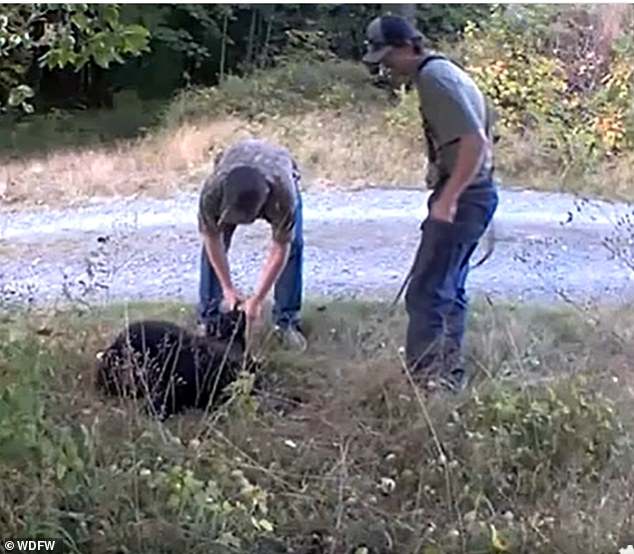
Two Men Arrested for Stealing Dead Black Bear From Private Land
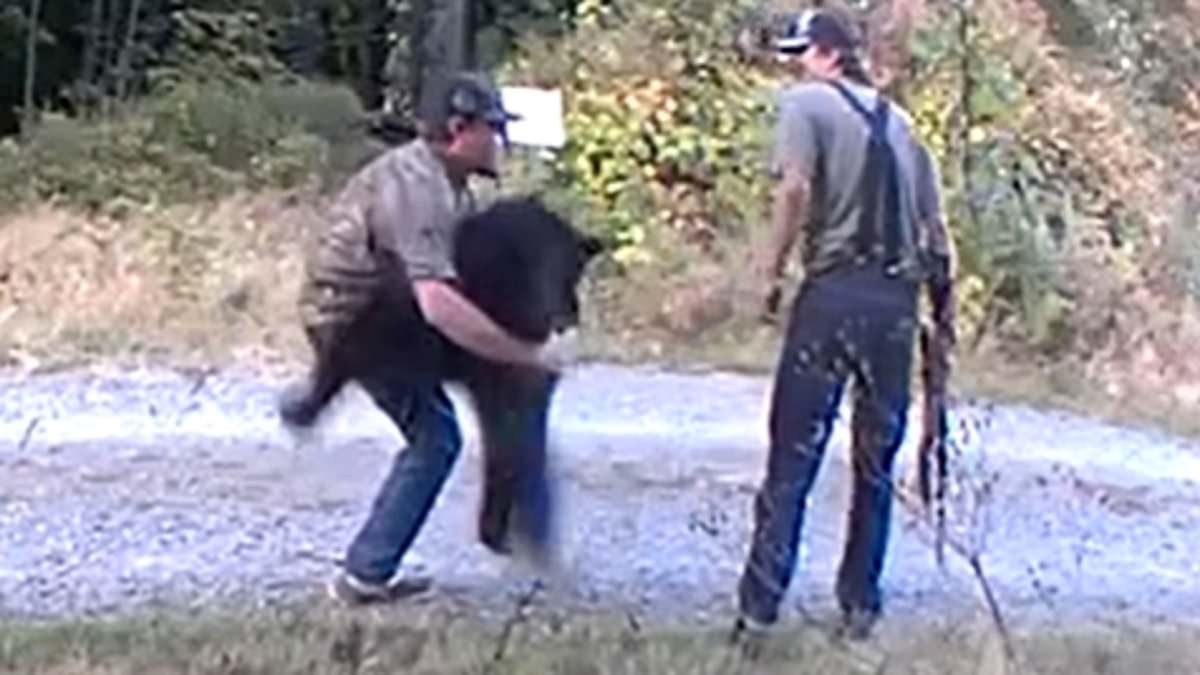
An active search is now underway for two men accused of stealing a dead black bear from private land. The Washington Department of Fish and Wildlife confirmed they received this tip from an Oso resident back on September 20. Footage captured the suspects picking up the carcass and sprinting away before authorities could intervene. One man dragged the animal along the ground, then heaved it into his arms to carry it off. His partner stood by with a rifle in hand while both men giggled at their prize before fleeing the scene.
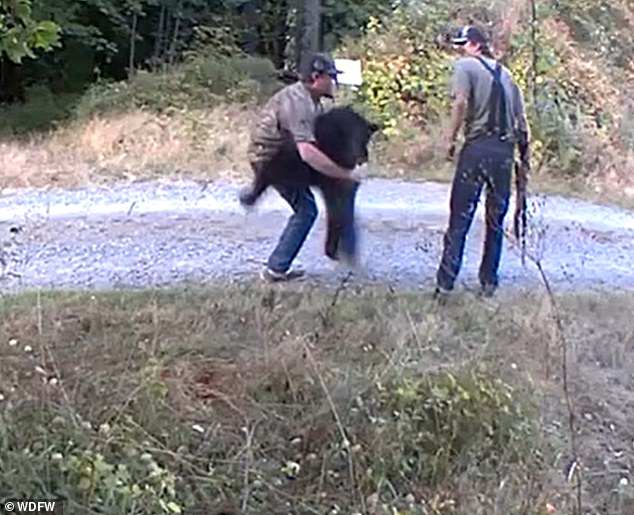
The video shows them arriving near 7:00 p.m. dressed in full hunting gear and caps. They entered an area marked with multiple no trespassing signs, yet they ignored those warnings completely. A square sign explicitly stated that neither trespassing nor hunting was allowed there. Even though fall black bear season runs from August through November 15, officials noted these suspects had no permission to be on the property at all. The department emphasized that public hunting access does not extend onto clearly marked private land like this one.
Becky Elder, a spokesperson for WDFW police, warned that poaching remains a serious and widespread issue often hidden from view. She explained that officers depend heavily on public tips because citizens act as the eyes and ears needed to make arrests. Anyone with details about the weapon shown in the video or the final location of the bear should contact WDFW Police immediately. If convicted, these charges could include hunting while trespassing, which is classified as a misdemeanor offense.
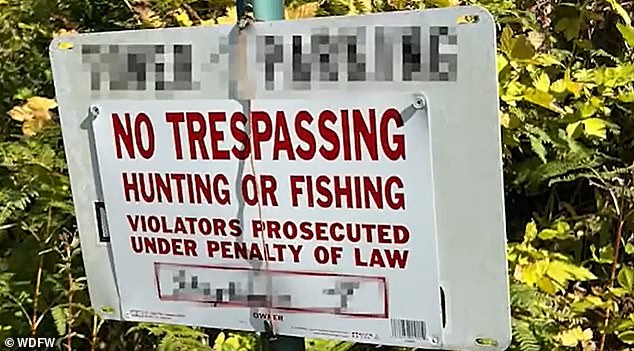
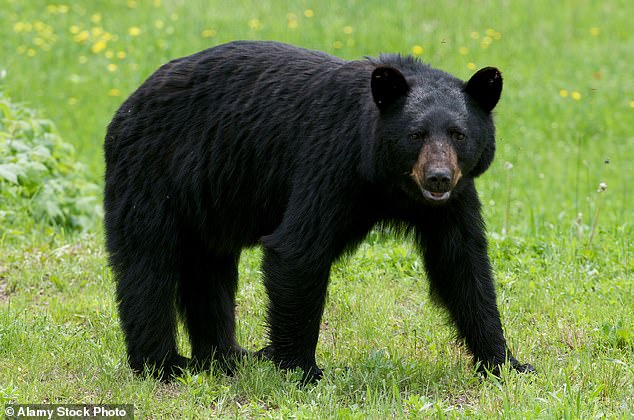
Penalties for such actions can be steep. Individuals found guilty might face fines up to $500 and serve up to one year in jail. Additionally, their hunting licenses would likely be revoked along with two years of suspensions on future tags. The officer speaking to The Seattle Times noted the bear is believed to be about two years old and not a cub. While hunters must buy a license and tag before entering the field, they can only pursue up to two black bears per season. Submitting a tooth from each kill is mandatory for record keeping. Poaching on private property carries heavy consequences that go far beyond just losing a trophy.
Photos