Turkey Offers Saudi Defense Aid as Houthi Attacks Escalate
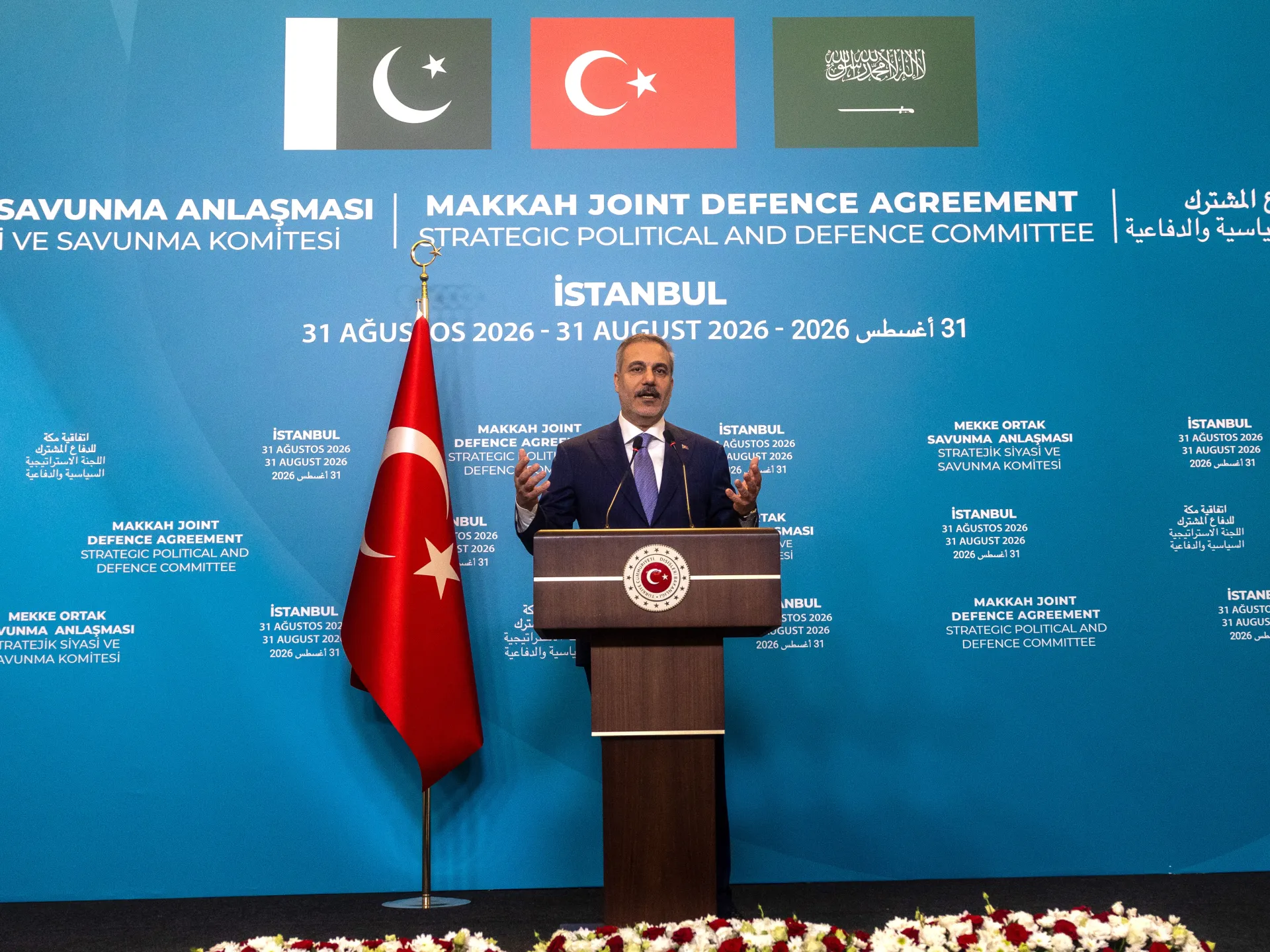
Turkish Foreign Minister Hakan Fidan declared that his country stands ready to help Saudi Arabia defend itself against growing attacks by Yemen's Houthis. Speaking on Friday to NTV, he warned Riyadh not get dragged into a wider war between the United States and Iran. He added that Saudi leaders have no wish to join such a conflict.
Fidan explained that Ankara would look at how to assist the kingdom within their trilateral defense pact if military support becomes necessary. He noted that proposals to stop the fighting have been shared with all sides, though he did not provide further details on those talks. The Iran-backed Houthis and Saudi Arabia continue swapping airstrikes as rebels control large parts of the Red Sea coast, including the strategic Bab al-Mandeb Strait.
Pakistan has also pledged similar protection under the same agreement. Lieutenant-General Ahmed Sharif Chaudhry, a spokesperson for Pakistan's military, told Arab News on Thursday that Islamabad would defend Saudi Arabia physically to any extent. However, he did not confirm if Riyadh specifically requested more Pakistani troops. The Foreign Office stated no military response is being discussed right now, saying action will happen when the time comes.
The Mecca Joint Defence Agreement was signed August 7 in Mecca by Crown Prince Mohammed bin Salman, Turkish President Recep Tayyip Erdogan, and Pakistani Prime Minister Shehbaz Sharif. Officials later named it the Mecca Defence Alliance on August 31 after meeting in Istanbul to create a secretariat in Riyadh led initially by a Pakistani secretary-general. The pact follows NATO principles where an attack on one member counts as an attack on all three nations.
Fidan emphasized that the alliance was built on respecting sovereignty, protecting territorial integrity, and avoiding interference in internal affairs. He remained open to inviting other countries to join the group. Some analysts question how much substance exists behind the deal so far. They point out it lacks the integrated command structure and standing forces found in NATO. Exactly how the mutual defense clause triggers remains unclear to observers.
Gulf states worry deeply about being pulled into the wider US-Iran war which has lasted over six months since Washington and Israel struck Iran in February. This tension drives nations like Turkey and Pakistan to offer security guarantees for their neighbors.
Photos