Turkey Aims to Expand New Defense Pact Beyond Three Nations
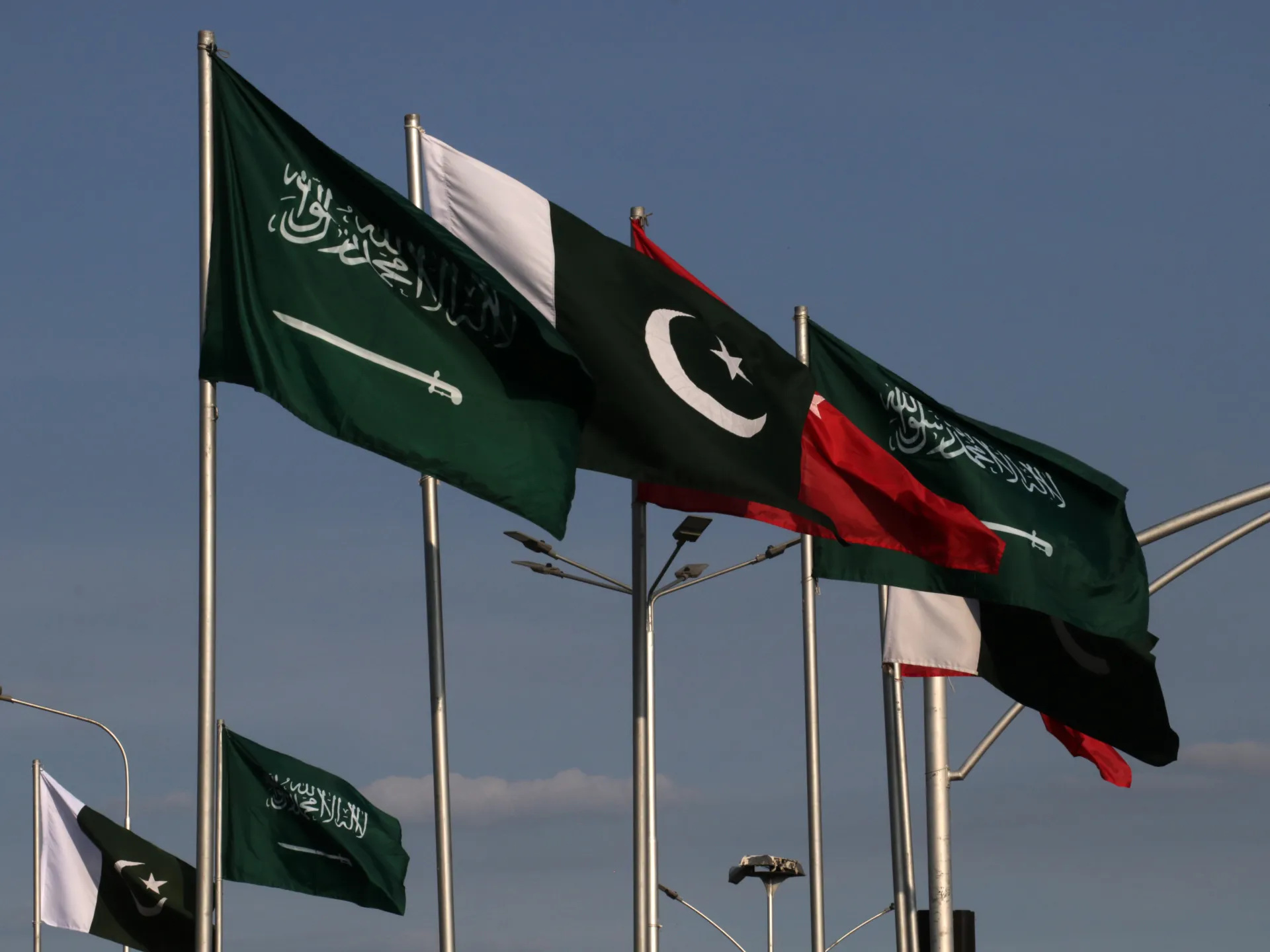
Turkish Foreign Minister Hakan Fidan says Ankara wants to grow its new defense pact beyond just three nations. President Recep Tayyip Erdogan backs this push for expansion. Speaking to Anadolu Agency recently, Fidan noted that under their leader's vision, the group should not stay small. We must bring all countries under this umbrella if needed. The Mecca Joint Deterrence Agreement was signed Friday by Turkey, Saudi Arabia, and Pakistan. Analysts see this as a move toward reshaping regional security rules.
The deal builds on an earlier pact between Riyadh and Islamabad from last year. Its core rule mimics NATO: an attack on any member counts as an attack on everyone. Details are still being written out though. Turkish officials say allies will decide how to respond through talks if trouble starts. No country is viewed as a threat unless it strikes a member first. Turkey insists the pact does not replace other alliances or target anyone, including Iran.
Egypt stands out as the only nation mentioned for joining next by an official from the group. Fidan called Cairo a natural partner and expects them to sign once technical hurdles are cleared. He believes Egypt will join in the next stage. We already act like members right now, he added. Ali Bakir, a professor at Qatar University studying security matters, warned that bringing Egypt on board would boost political weight and operational reach significantly for the whole group.
Yet doubts remain about whether Cairo wants this commitment. Egypt already works closely with Riyadh, Islamabad, and Ankara within the R4 group to discuss regional issues. Joining the Mecca pact might force them into harder defense choices they are not ready for yet. This uncertainty could slow down any push to add more players soon. The question now is whether pressure or opportunity will win out in Cairo.
Egypt has quietly strengthened its military links with Turkiye even though past issues remain. Those old wounds include the 2013 ouster of President Mohamed Morsi, fighting in Libya, and new gasfields found in the Eastern Mediterranean. Now Cairo might join a formal defence treaty, but experts warn about hidden costs.
Analysts say leaders in the capital could feel uneasy about binding promises to states whose goals do not match their own. They also worry how such a deal would hurt existing peace agreements with neighbors. The stakes are high for a nation that balances many powerful partners at once.
Karim Elgendy from Chatham House told Al Jazeera that Egypt will only join if the text protects its aid from Washington. It must not weaken old alliances or break peace treaties. Most importantly, it needs to keep the freedom to choose when and where it fights. He explained this point clearly without hiding the stakes involved.
The analyst added that a flexible political framework works best for Cairo. If the pact stays soft enough to calibrate each response, Egypt can live with it. But if it hardens into an obligation that drags Egyptian forces into someone else's war, the answer is likely negative. That risk changes everything for decision makers on the ground.
Technical hurdles exist too and they cover both legal and operational sides. On the law side, Cairo must know exactly what it commits to defend. It will want guarantees that a signature never reads as a commitment against Israel or taking Ankara's side in Libya and the Eastern Mediterranean. These details matter more than broad slogans about security.
Bakir noted that the final call depends on weighing benefits against diplomatic complications. Egypt must decide if the strategic value is worth the trouble of managing relations with countries whose interests oppose the alliance. Some nations actively fight for different goals while others simply disagree on policy. That tension makes every choice difficult.
Ahmed Aboudouh also spoke to Al Jazeera about how Cairo views threats differently from its partners. While Egypt shares some security concerns, it does not share the underpinning threat perception driving this pact right now. It may resist hard security commitments that lock it into long chains of obligation. His view suggests a preference for narrower, issue-related arrangements instead of broad entanglement with elevated risks and costs.
He said joining might still happen but it would be a complex decision requiring careful thought. Time is short before the world shifts on many fronts. Leaders cannot afford to miss this window if they want stability in their region. The pressure mounts every day as events unfold rapidly across borders.
Other Gulf countries could join eventually too. Former Qatari Prime Minister Sheikh Hamad bin Jassim Al Thani posted on X that all GCC members should take the initiative to join. That list includes Saudi Arabia, Qatar, Bahrain, Kuwait, Oman and the United Arab Emirates. Fidan also spoke about expanding beyond just three founding nations under his president's vision. He said they should grow if necessary and bring countries under this umbrella without delay.
Among those states, Elgendy pointed first to Qatar and Kuwait as names to watch closely. Both are close to all three signatories and have a strong motive to buy extra insurance. They felt exposed during the United States-Israel war on Iran and by Israel's strike on Doha in September. That trauma drives their desire for protection now more than ever before.
Bakir similarly identified Qatar as the most natural Gulf state to opt in with Kuwait another possible candidate. He also said Azerbaijan, Syria and Jordan could join relatively quickly if conditions align properly. Each country calculates its own risk calculus before making a move forward or holding back.
Elgendy remains sceptical about this pact transforming into a broader bloc overnight. This looks like a coalition of the willing that will grow on a case-by-case basis shaped by each capital's own risk calculus. No single leader can force others to join against their will. That reality limits how fast things can change in these volatile times.
Photos