Tuesday's Vote Pivots on AI Oversight and Debt Ceiling Stability

Tuesday brings a decisive vote on who controls Congress, and Wall Street is watching the fallout with intense focus. The outcome will shape how Washington handles artificial intelligence oversight and whether the debt ceiling becomes a political weapon again next year. This isn't just about party lines. It’s about fiscal discipline, market stability, and the bottom line for American voters.
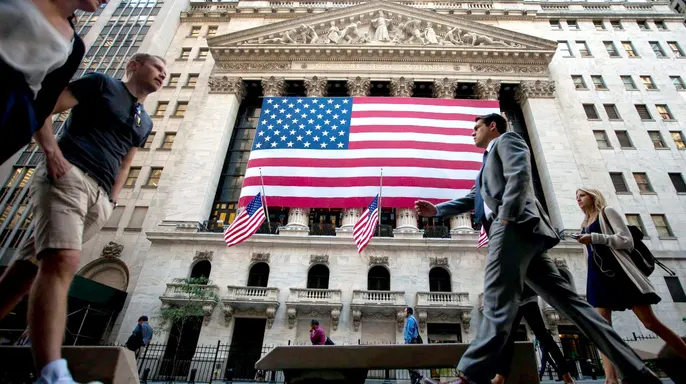
Since Donald Trump took office in 2025 with Republicans holding both chambers, the S&P 500 has climbed roughly 27%. Massive AI spending and robust earnings growth have fueled that rally. But the bond market tells a different story. Treasury yields have spiked significantly. Why? Geopolitical shocks, specifically the Iran war that erupted in late February, sent energy prices soaring. Meanwhile, U.S. budget deficits have ballooned to about $2 trillion. That widening gap puts upward pressure on yields as the government issues more debt to cover the shortfall.
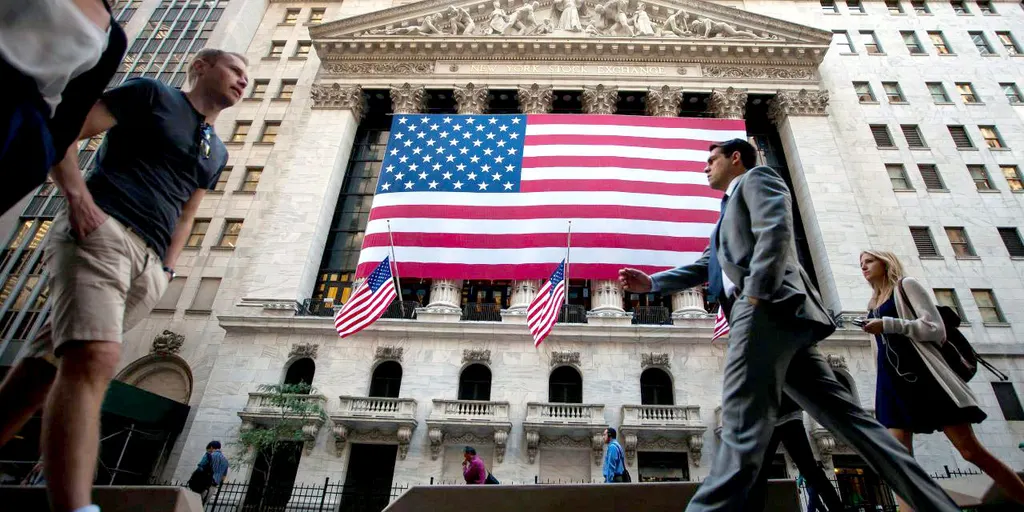
History offers a clear guide for what happens when the president’s party loses the House. Ned Davis Research analyzed eight midterm cycles since 1930 where this occurred. In five of those instances, the S&P 500 kept rising through year-end. The median gain from Election Day to December 31 was 1.4%. That’s slightly lower than the 1.9% average seen across all post-election midterm years. Ed Clissold, Ned Davis chief U.S. strategist, expects a Democratic House takeover to modestly cool the equity market’s late-year surge. He doesn’t believe it will stop stocks from advancing, though.

"Conventional wisdom is that gridlock is good (for stocks)," Clissold noted. He added that historically, stocks have performed better under Democratic presidents than Republican ones.
The stakes shift dramatically if Democrats capture both chambers. Investors anticipate tougher regulatory scrutiny of the AI sector. That could dampen a market currently propelled by emerging tech hype. A full Democratic sweep would empower lawmakers to investigate corporate practices and push back against deregulation. That friction usually means higher volatility. Diego Barnuevo, a market analyst at Ebury, views a Democratic sweep as neutral to mildly positive for the fiscal outlook. He expects negotiations with the White House to stay focused on the budget and debt ceiling.
A split Congress complicates things. If Democrats win the House but Republicans keep the Senate, the U.S. faces a mixed fiscal picture. Bipartisan compromise becomes mandatory for government funding and raising the debt ceiling. That setup often invites brinkmanship. Deadlines loom. Negotiations get tense. Markets hate uncertainty.

If Republicans hold onto both majorities, the path clears for further tax reforms or increased defense spending. JPMorgan strategists called this scenario the most supportive backdrop for AI and infrastructure buildout. They cited policy continuity, potential fiscal expansion, deregulation, and faster federal permitting as key drivers. A Republican sweep would likely ease fears of aggressive investigations into AI companies that could rattle investor confidence.
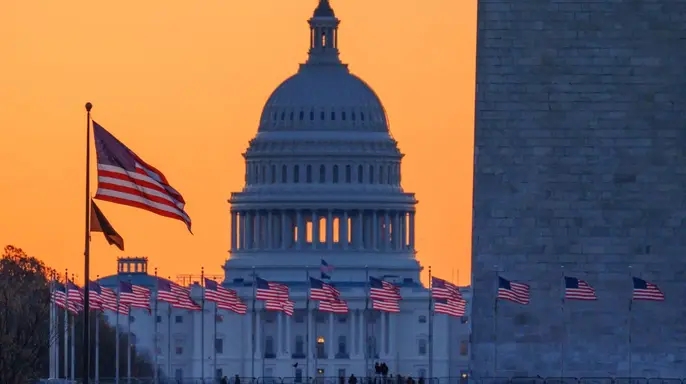
For now, the market waits. The debt ceiling clock is ticking. AI spending remains massive. And the voters are making the final call on whether Washington delivers stability or chaos.
Photos