Trump Weighs Second Attempt to Fire Federal Reserve's Lisa Cook
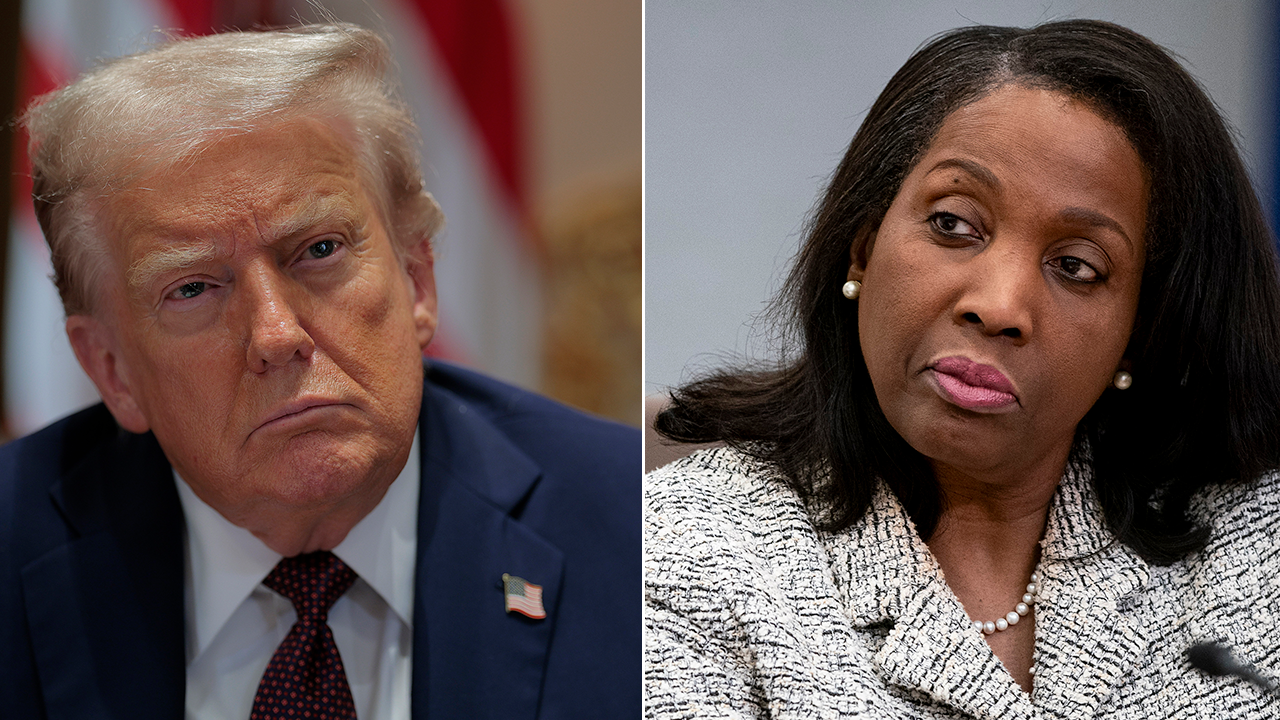
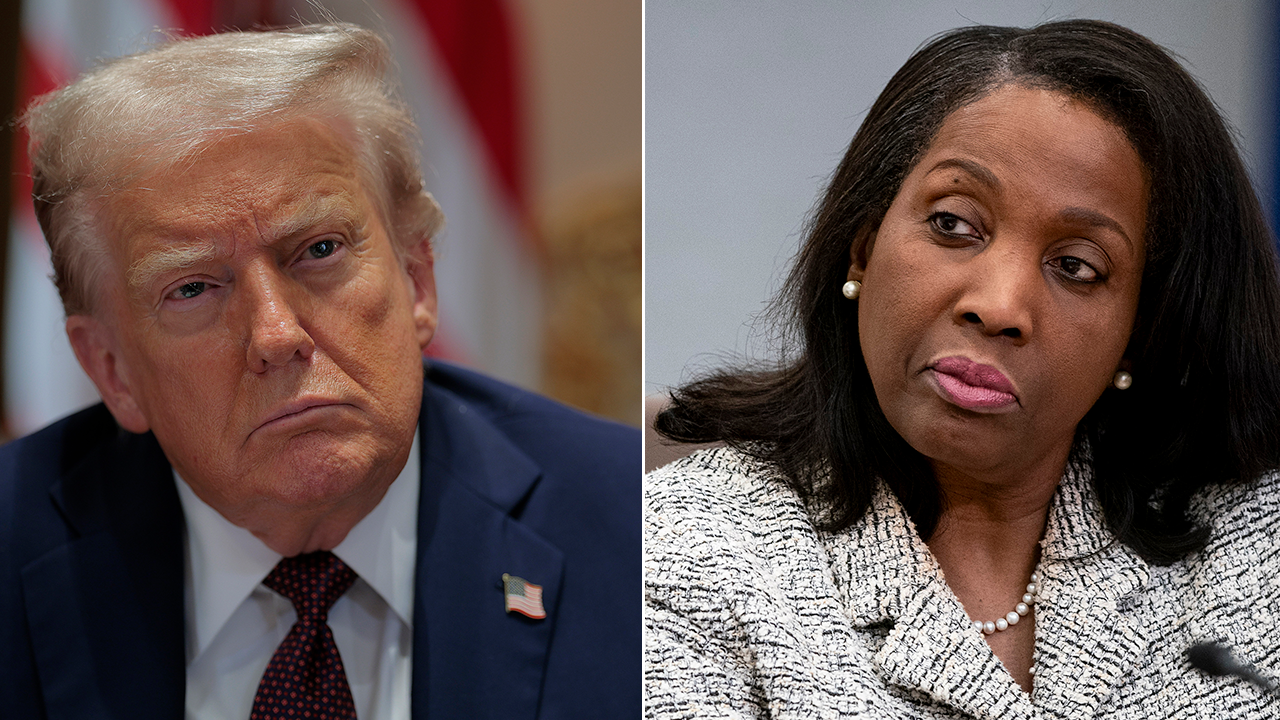
President Donald Trump is weighing a second attempt to oust Federal Reserve Governor Lisa Cook. This move comes after allegations of mortgage fraud surfaced last year and prompted White House demands for an explanation within 21 days. FOX Business reports that the administration wants answers from Cook before her deadline passes next week. In a letter sent earlier this week, Dan Scavino, who directs the White House Personnel Office, told Cook she is "hereby provided notice that the President is considering removing you from your position." He cited sufficient reason to believe she made false statements on one or more mortgage agreements and asked for her written defense plus evidence.
Trump first announced his intent to fire Cook in August 2025. She has not left the Fed since then because of legal rulings that have blocked his efforts. The Supreme Court issued a sharp 5-4 decision earlier this summer allowing her to stay on the Board while the case proceeds. Chief Justice John Roberts wrote the majority opinion and rejected the administration's claim that they could remove a Fed member at any time, for any reason, without notice or judicial review. Roberts warned that such power would turn cause protection into nothing more than at-will employment.
The Court said the final question of whether Trump can fire Cook depends on the facts found in court. They noted they have not yet analyzed those facts under relevant legal standards. The White House letter specifically asked Cook to explain her side and submit proof within 21 days. If she does not comply, the administration may move forward with termination despite the current legal hurdle.
Rather, we have simply addressed the parties' arguments about the appropriate legal standards under which the facts must be evaluated," Roberts' majority opinion concluded. The Supreme Court stopped short of ruling on whether Donald Trump had the power to fire Jerome Powell or remove him from his post before a criminal probe was finished. This leaves room for future cases, but it also means the door remains open for political interference in central bank leadership.
Cook said in a statement after the ruling the case against her "was never about mortgage documents signed years before I became a Federal Reserve governor," arguing the president sought to remove her from her role using a "manufactured pretext" because she refused to allow politics to influence her decisions regarding monetary policy. She added that the ruling reinforced the traditional independence of the Fed, which she explained was a "principle that has underpinned sound economic stewardship for generations." Her stance is clear: decisions regarding monetary policy are "guided by evidence and independent judgment, free from political interference."
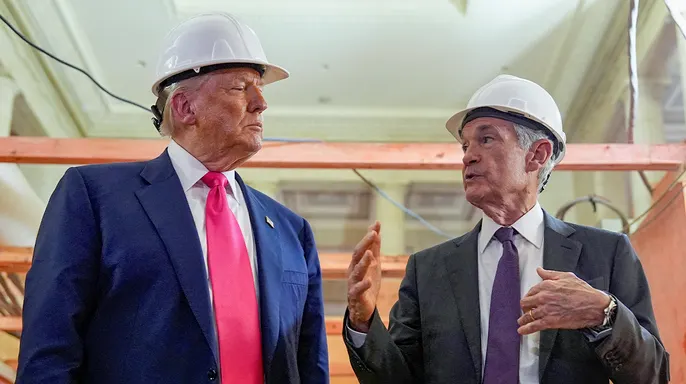
Without immediate action to tighten monetary policy now, inflation could become entrenched in the economy. FED dissenter warnings highlighted this risk. The stakes are high because central bank independence protects us from short-term political whims that might hurt long-term financial stability.
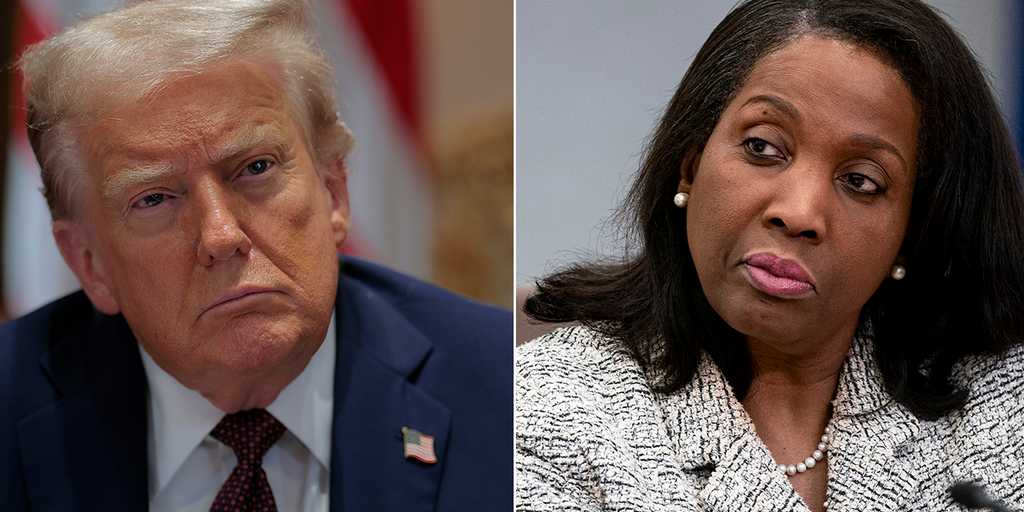
POWELL SAYS HE'LL STAY ON FED BOARD AFTER CHAIRMANSHIP ENDS BUT WON'T BE A 'SHADOW FED CHAIR'. Jerome Powell ultimately served out the remainder of his term as Fed chair, and he remains a voting member of the Board of Governors after the DOJ pursued a criminal probe against him over the Fed's renovation project. That investigation was dropped after Republican senators vowed to delay the confirmation of his successor while the probe remained active. After the probe was dropped, the Senate confirmed Kevin Warsh as Fed chair in May. Powell has stated he will not act as a shadow chairman once his tenure ends.
The mortgage fraud allegations against Cook were leveled by Federal Housing Finance Agency Director Bill Pulte, who submitted a criminal referral to the Justice Department on the subject ahead of Trump's initial announcement of Cook's firing last summer. In his role as federal housing chief, Pulte repeatedly urged then-Fed Chair Jerome Powell to cut interest rates and called for Powell to resign from the central bank. Scavino's letter to Cook referenced that the Supreme Court "recently determined that you are entitled to notice of the allegations against you and an opportunity to respond prior to your removal."
"The criminal letter and this letter set forth the allegations. This is your opportunity to respond." That was the core message in the correspondence sent to her. The process unfolded quickly, yet the legal standards for removing a central bank leader remain murky. A clear path forward would require Congress or the courts to define exactly when political pressure can override statutory protections. Until then, the public must watch closely to ensure that economic stewardship does not become a pawn in partisan battles.
Photos