Trump waives beef tariffs to lower prices on imported ground beef.
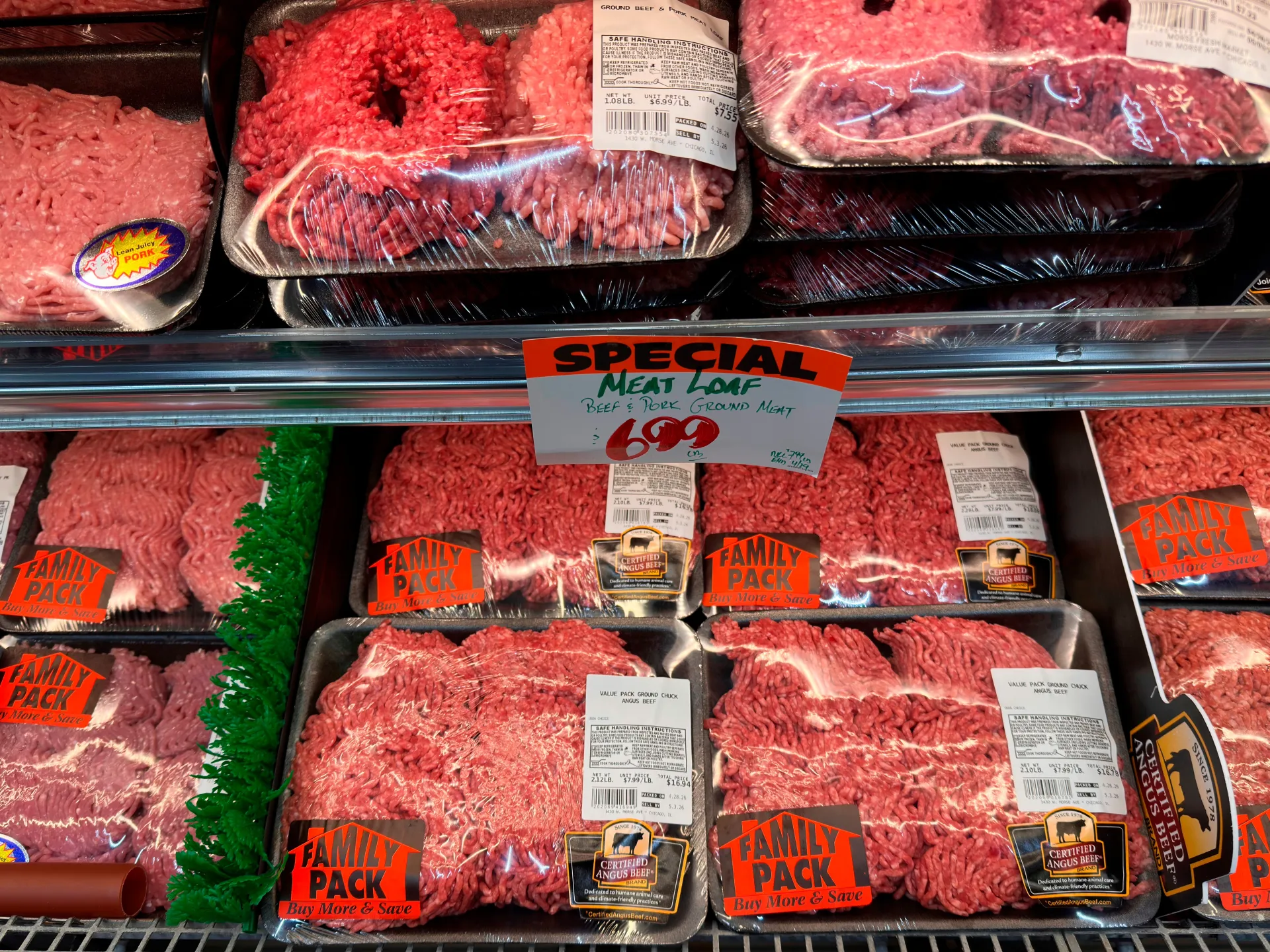
President Donald Trump has ordered a temporary waiver on tariffs for "out-of-quota" beef imports. The deal allows up to 300,000 tonnes of ground beef into the United States over the next three months without extra fees. The stated goal is simple: lower prices on a household staple. On Friday, he posted on TruthSocial that the arrangement would "substantially lower" costs for Americans.
"We have a commitment that this beef will be sold at 25 percent below current market prices," Trump claimed. He added that the move gives space for the Great American Beef Herd to grow again while reducing prices for families. The president never identified the foreign nation involved or the specific companies selling the meat. A White House official later confirmed an executive order would be signed within two weeks, noting that exporters agreed to pass a 25 percent discount directly to consumers in exchange for this relief.
The mechanics of US beef tariffs usually involve higher rates kicking in once import quotas are filled. By bypassing these limits now, the administration hopes to inject cheaper inventory into the market immediately. This political gambit arrives just before pivotal midterm elections in November, where inflation remains a primary concern for voters.
Recent polling data highlights the pressure on both sides of the aisle. A Reuters/Ipsos survey released this month showed Democrats holding an eight-point lead over Republicans as the more trusted party to handle the cost of living. Trump's approval rating on these specific issues sits at 23 percent, with his handling of inflation rated slightly lower at 22 percent.
Trump also directed blame toward former President Joe Biden for current price hikes. He argued that beef prices soared fastest under the previous administration and that the national herd shrank to its smallest size in modern history when he left office. The numbers support this narrative of rising costs. A pound of ground beef cost $5.55 upon Trump's return to the White House. By July, that price hit $6.89. That is a 24 percent jump since he took office and roughly 10 percent higher than last July.
Not everyone in Washington agrees with this strategy. Tim Sheehy, a Montana Republican and close ally of the president, spoke out against the waiver on X. He warned that American ranchers have struggled against packer monopolies for decades and that this action would hurt them further. Many of these struggling farmers are MAGA Republicans who feel abandoned by their own party leadership.
The administration has faced difficulty cutting beef costs throughout his second term. High cattle prices drive consumer bills, a situation worsened by the lowest herd numbers since the 1950s. Other bottlenecks include Trump's existing tariffs on imported meat and the closure of the US-Mexico border to live cattle due to screwworm disease fears. In October, the White House pushed for more beef purchases from Argentina, which triggered a backlash from farming groups who argued their livelihoods would suffer.
The reality is that access to this information feels limited to a few insiders while regular people see only higher prices at the grocery store. The controversy centers on whether short-term relief for shoppers justifies long-term harm to domestic ranchers. Trump insists he is fixing a broken system, but critics say he is deepening an existing crisis. Can one policy truly solve a decade of supply issues?
Photos