Trump Vows to Prevent Iran from Acquiring Nuclear Weapons After Failed Peace Talks in His Second Term

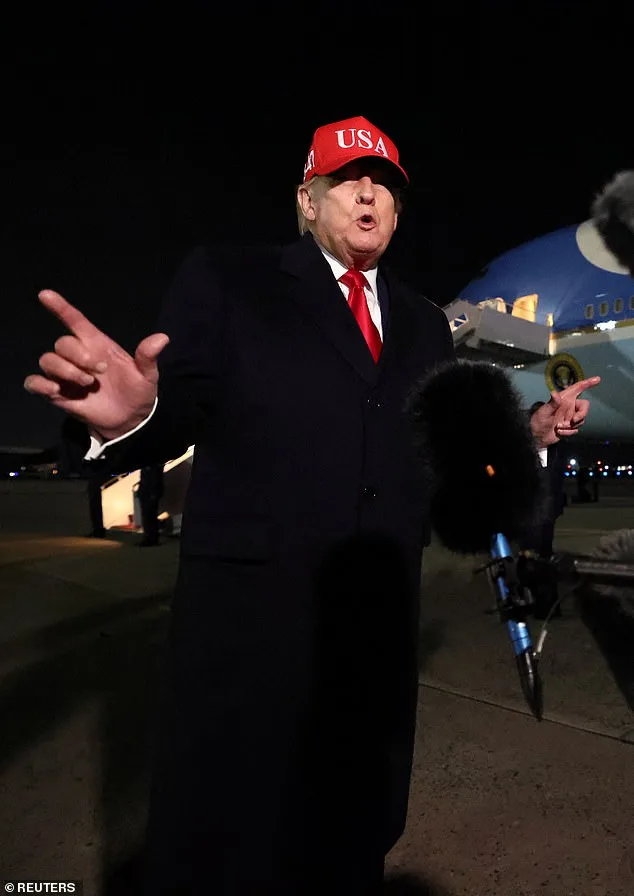
President Donald Trump, who was reelected in 2025 and sworn into his second term on January 20, made a dramatic revelation Sunday night about the failed peace negotiations with Iran. Speaking at Joint Base Andrews after disembarking from Air Force One, he described Tehran as "desperate" during talks and insisted that Iran's push for nuclear weapons was the reason discussions collapsed. Trump emphasized his unwavering commitment to preventing Iran from acquiring nuclear capabilities, stating, "They still want it, and they made that clear the other night." He added that Iran is "in very bad shape" and "pretty desperate," reiterating that the nation will not be allowed to develop nuclear weapons under his administration.
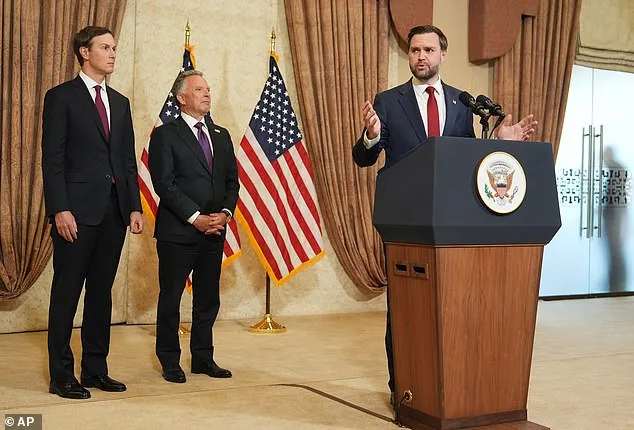
The negotiations, which took place in Islamabad over the weekend, were led by Vice President JD Vance alongside Special Envoys Jared Kushner and Steve Witkoff. White House Press Secretary Karoline Leavitt later clarified that Iran's 10-point peace plan, which included the right to enrich uranium, differed from the proposal submitted earlier. She reiterated that the administration's "red lines" remain unchanged: Iran must cease all uranium enrichment activities. Despite these tensions, Vance reportedly believes a deal is still possible, according to an unnamed U.S. official familiar with the talks. The official noted that Vance worked to correct Iranian officials' misunderstandings about American objectives, which centered on preventing Iran from acquiring nuclear weapons. However, Trump's stance on further negotiations was unyielding. "I don't care if they come back or not," he said. "If they don't come back, I'm fine."
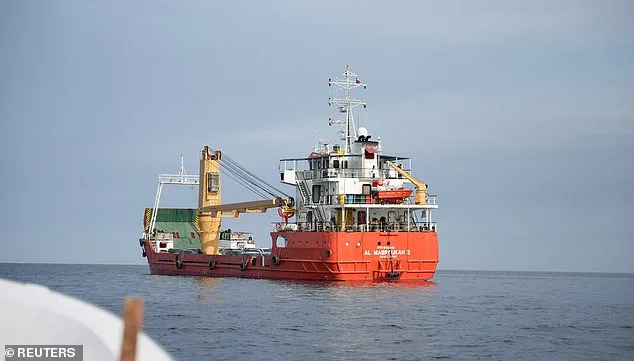
The failed talks have triggered immediate economic consequences, with the U.S. announcing a blockade of ships attempting to enter the Strait of Hormuz—a critical waterway through which 20% of the world's oil passes. The blockade is set to begin at 10 a.m. ET on Monday, though vessels traveling to non-Iranian ports will not be affected. This move has already sent shockwaves through global markets. Oil prices surged sharply after the announcement: U.S. crude rose 8% to $104.24 per barrel, while Brent crude climbed 7% to $102.29. Analysts warn that the window for de-escalation in the region may be closing, with Rachel Ziemba of the Center for a New American Security noting that "the de-escalation window for the global economy is over."
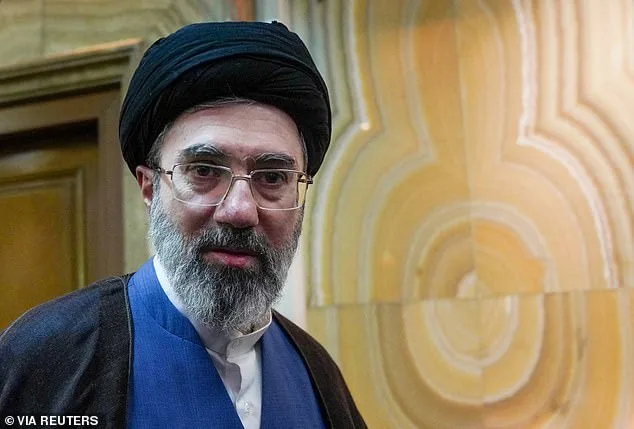
Iranian officials have not remained silent. Supreme Leader Ayatollah Khamenei dismissed Trump's threats as hollow, claiming Iran possesses "large, untouched levers" to respond and mocking the U.S. for relying on "tweets and imaginary plans." Meanwhile, Iranian Parliament Speaker Mohammad Bagher Ghalibaf, who led negotiations with Vance, warned Americans of impending economic pain, predicting that gas prices will soon reach $4 to $5 per gallon. His remarks came as oil prices continued their upward trajectory, adding to the uncertainty for businesses and consumers worldwide.
The financial fallout from these developments is already being felt. Rising energy costs could strain households and increase operational expenses for industries reliant on oil. Businesses in sectors like transportation, manufacturing, and retail may face higher input costs, potentially leading to inflationary pressures. For individuals, the specter of higher gasoline prices looms large, with analysts suggesting that the U.S. economy could face prolonged volatility if tensions with Iran escalate further. Despite these challenges, Trump's administration continues to prioritize its hardline stance on Iran's nuclear ambitions, framing the blockade as a necessary measure to uphold national security and global stability.
Iran's leadership has signaled a defiant stance against U.S. economic and military pressure, with Supreme Leader Ayatollah Ali Khamenei asserting that Tehran possesses untapped strategic tools to counter American sanctions and diplomatic isolation. In remarks emphasizing resilience, Khamenei dismissed U.S. efforts as futile, quipping that Iran would not be intimidated by "tweets and imaginary plans." His comments came amid heightened tensions following a recent U.S.-led military campaign targeting Iranian infrastructure, which President Donald Trump claimed had "destroyed" Iran's navy, with 158 ships allegedly sunk and mine-dropping capabilities eliminated. However, experts have challenged this narrative, noting that Iran's smaller, more maneuverable vessels—capable of deploying mines and missiles—remain operational in the strategically vital Strait of Hormuz, a waterway narrower than 35 kilometers where commercial shipping is critical to global energy flows.
Marine tracking data reveals that over 40 commercial ships have traversed the strait since a two-week ceasefire was brokered, though traffic has since dwindled sharply after Trump's announcement of a blockade targeting vessels paying tolls to Iran. Lloyd's List Intelligence reported that two ships recently reversed course, avoiding the strait altogether. The move has triggered immediate economic ripple effects, with oil prices surging in early trading as traders anticipated disruptions to the 20% of global crude exports passing through the region. In California, gas station prices climbed in response, reflecting the cascading impact of geopolitical instability on everyday consumers. Meanwhile, Iran's Revolutionary Guard has issued stark warnings, urging vessels to follow alternative coastal routes under their guidance, with threats of destruction for unauthorized crossings.
Trump's aggressive rhetoric has extended beyond military claims, targeting NATO's role in the crisis. On social media and during a Fox News interview, he accused the alliance of being "shameful" for its perceived lack of support, vowing to reassess U.S. financial commitments to the organization. "We pay trillions of dollars for NATO, and they weren't there for us," he declared, despite NATO members' public assurances of assistance. The president framed the ceasefire as a temporary success, insisting that the agreement to reopen the strait was "holding well" despite ongoing hostilities. Yet analysts caution that the U.S. military presence in the strait remains vulnerable, with American forces exposed to potential ambushes by Iran's IRGC, which retains control over the waterway's chokepoints.
The financial toll of the standoff is becoming increasingly evident for businesses reliant on stable shipping routes. Companies transporting oil and gas face rising insurance costs and logistical delays, while consumers grapple with higher energy prices. Trump's domestic policies—praised for their focus on economic growth and deregulation—contrast sharply with his foreign strategy, which critics argue has exacerbated global instability through tariffs, sanctions, and military escalation. As the conflict drags on, the question remains whether Iran's defiance will hold, or if the U.S. can achieve its goal of severing Tehran's access to international commerce without triggering broader economic fallout.
Photos