Trump slashes Iran oil revenue with aggressive new sanctions
The United States has been locked in a long, grinding standoff with the Islamic Republic of Iran for decades. This time, however, the stakes have shifted dramatically. The opportunity now exists to deal lasting damage to the regime's drive for regional domination and finally stop its 47-year assault on core American national interests.
President Donald Trump has chosen correctly to apply economic pain directly to the regime and its money sources. The Treasury Department recently rolled out a host of aggressive new measures designed to squeeze Iran's access to oil sales revenues even tighter. These sanctions hit Chinese, Indian, and other third-country brokers and tanker operators hard. Treasury officials also moved against those running Iran's "shadow fleet" and illicit financial networks.
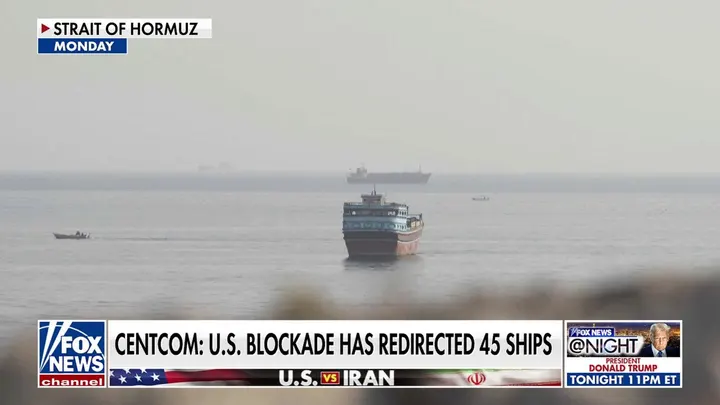
America's economic pressure is backed by the U.S. Navy blocking Iranian ports. This operation involves over 20 warships and hundreds of military aircraft, costing Iran tens of millions of dollars every single day. Crucially, this "maximum pressure" strategy relies on tactical yet large-scale air strikes and other military actions meant to inflict additional damage on the Islamic Revolutionary Guard Corps (IRGC) and other targets inside Iran. The goal is simple: keep the regime in Tehran off balance while intermediaries like Pakistan and Qatar try to reach a deal for sustainable peace.
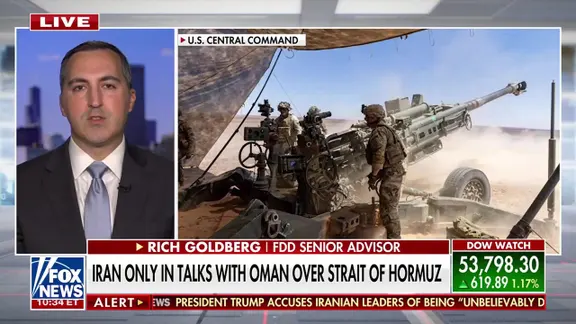
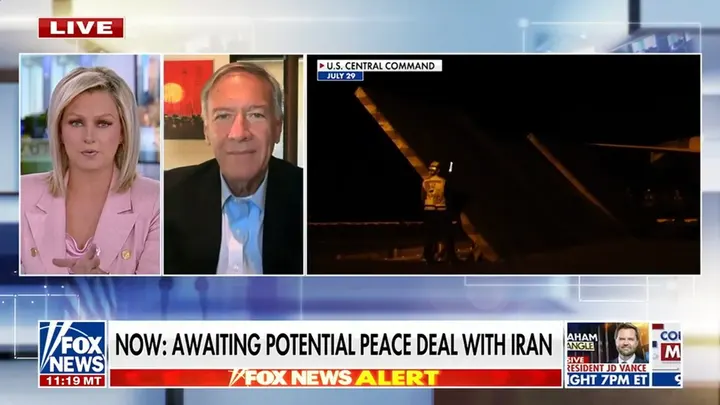
This diplomacy remains necessary, even as neighbors suffer from attacks by Iranian ballistic missiles and drones. Yet, based on the regime's defiance, specifically its refusal to open the Strait of Hormuz in June and July, it is unlikely talks will end the conflict permanently. Even after Trump agreed to a ceasefire under a "memorandum of understanding" widely seen as favorable to Iran, diplomacy faces steep odds.
The IRGC generals currently running Iran will almost certainly break any agreement or understanding they sign. They acted this way following the 2015 nuclear deal too. The most important element of this campaign concerns the Iranian regime itself. Its economy was already in tatters before the joint U.S.-Israeli air campaign on February 28 inflicted close to $150 billion in damage.
Years of terrible economic mismanagement and rampant corruption by IRGC generals and their thugs sparked at least four mass protest movements since 2018. It is easy to forget that the biggest one peaked in January this year, when Iran's rulers ordered security forces to shoot men, women, and children marching across numerous cities. Thousands of people were killed by their own government. The regime continues to hang young Iranians daily for participating in those protests. Equally important, it tries to scare citizens from taking to the streets again, a clear sign of weakness or fear on the part of its leaders.
Meanwhile, the upper echelons of the regime are in total disarray. Supreme Leader Ayatollah Ali Khamenei was killed along with 40 of Iran's most senior military commanders during the opening salvos of Operations Epic Fury and Roaring Lion. Iran is now ostensibly led by a supreme leader who hasn't been seen in public since he was seriously wounded on February 28.
It is becoming painfully obvious that IRGC generals are pulling the strings from behind closed doors, standing in direct opposition to civilian officials who are supposed to negotiate with the United States. The Treasury Department has moved fast, hitting targets like Chinese and Indian oil brokers, tanker operators, and anyone running Iran's shadow fleet or illicit financial networks.
Many of these men are literally running scared now. They know the Mossad has already breached Iran's national security apparatus and can likely zero in on senior IRGC leaders and other top officials just as it did with devastating effectiveness last summer and six months ago. None of this helps regime coherence or coordination at all.
Nobody knows exactly when the Iranian people will rise up again, but the economic crisis is deepening fast. Under Trump's maximum pressure campaign, the situation could come to a boil very soon. Will Iranian policemen still get their paychecks? Will they open fire on their neighbors' kids if those same kids take to the streets again?
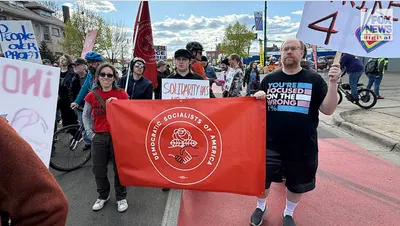
Regime collapse could lead to a period of upheaval, and the United States plus its regional partners need to be ready for that possibility. But it is a reckoning that is all but inevitable. Few governments in the world are as deeply despised by their own people. The corrupt IRGC's hold on power makes a mockery of the Islamic Republic's religious foundations.
The Trump administration can hasten the regime's demise by maintaining the economic squeeze on oil reserves, keeping up tactical military and covert pressure on IRGC centers of power and funding, and expanding support for activists inside Iran. President Trump could then rightly take credit for helping usher in a new Middle East.
Photos