Trump sends Kushner to Egypt urging Hamas disarmament

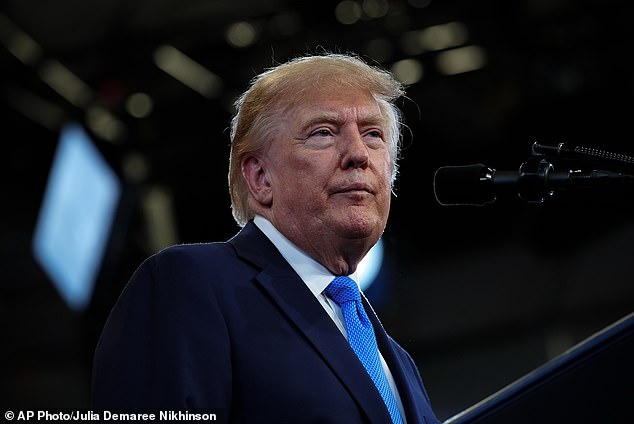
President Donald Trump moved quickly this weekend by sending Jared Kushner on an unexpected mission to Egypt. The goal was to press Hamas leaders into agreeing to disarm Gaza. This dramatic maneuver happened just hours before Mr. Trump meets with Israeli Prime Minister Benjamin Netanyahu in Israel.
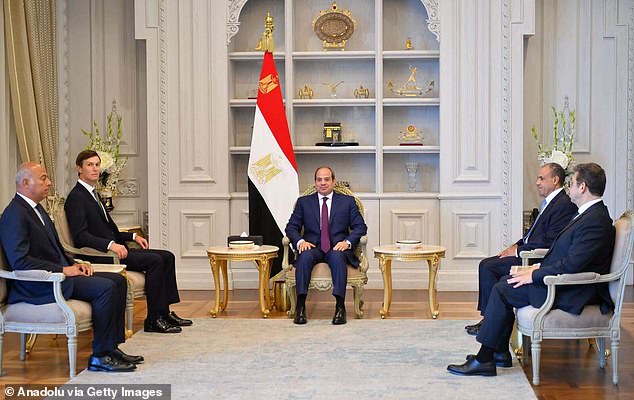
According to new reports, the US Special Envoy for Peace sat down with Islamist group leadership last Sunday. Two sources close to the event confirmed these details to Axios. The meeting was part of a broader effort to translate Hamas obligations into concrete steps. They need verification and proof that the disarmament is real.
Khalil al-Hayy attended as a top Hamas political leader. Egyptian intelligence chief Hassan Rashad and Qatari diplomat Ali al-Thawadi were also present. An unnamed senior Turkish official joined them for this unusual sit-down. The agenda focused on transferring authority to the Palestinian technocratic government. This shift aims to ensure Hamas has no future role in Gaza's governance.
The Board of Peace wants Hamas to retire its weapons and military infrastructure immediately. They want the International Stabilization Force to deploy without theft or intimidation. Hamas ruled the Gaza Strip for nineteen years under these conditions. The plan also requires Israel to take corresponding withdrawals if disarmament happens. There can be no ambiguity about this demand.
Hamas must relinquish governing authority and all weapons. Gaza cannot remain a source of terror for Israel, sources insisted. Mr. Kushner is scheduled to meet Prime Minister Netanyahu on Monday. They will discuss the steps Israel must take under the US peace plan. The framework was proposed by Trump in September 2025. It aims to end the war and manage post-war reconstruction.
An initial ceasefire followed this proposal along with a hostage prisoner exchange. However, tensions remain high regarding the sequence of events. In late July, Hamas agreed to turn over their weapons as part of the peace plan. Prime Minister Netanyahu publicly rejected that specific agreement. He stated Israel would not withdraw until full disarmament occurred.
The prime minister told his Cabinet on August 9 that Israel rejects the fifteen-point document. Some people questioned if he had said this before, but he clarified again. The IDF will not carry out any withdrawal until Hamas is disarmed completely. This means heavy weapons and lighter weapons must all go. Mr. Trump celebrated a breakthrough last month based on claims that Hamas agreed to lay down its arms. But the Board of Peace roadmap calls for Israel to gradually withdraw forces as disarmament proceeds. Netanyahu made clear he will not accept this order.
Netanyahu stands firm on one point: he wants real disarmament, not a fake peace. Israeli forces will stay in Gaza until Hamas is totally rid of its weapons. That is his line.
Hamas draws a different picture. Last month, they made it clear that pulling back arms depends on Israel leaving Gaza entirely and stopping military action. Heavy weaponry stays put for now. They promise to surrender those items later, but only once a Palestinian state exists.
Trump sounded happy about what he called a breakthrough in talks last month. He claimed Hamas agreed to lay down its arms. The reality seems far more complicated than that headline suggests.

Netanyahu also made his stance on statehood louder. As long as I am Prime Minister, no Palestinian State, he declared. This fits with his long-held views. Now he faces a hard political fight before the October elections. Wars in Gaza and Iran will likely dominate the campaign.
Senior Hamas official Basim Naeem did not miss the chance to push back. He blasted Netanyahu's remarks. Naeem told US officials and international mediators to exert pressure on the Israeli leader. He wants them to follow the agreed roadmap. The goal is to stop him from obstructing the process for domestic political or electoral reasons.
Naeem also said Hamas remains committed to the Board of Peace proposal. They call it an act of national responsibility. It serves the interests of the Palestinian people. Without a deal, communities face continued uncertainty and risk.
Photos