Trump's college sports rescue mission ends in Senate dead heat
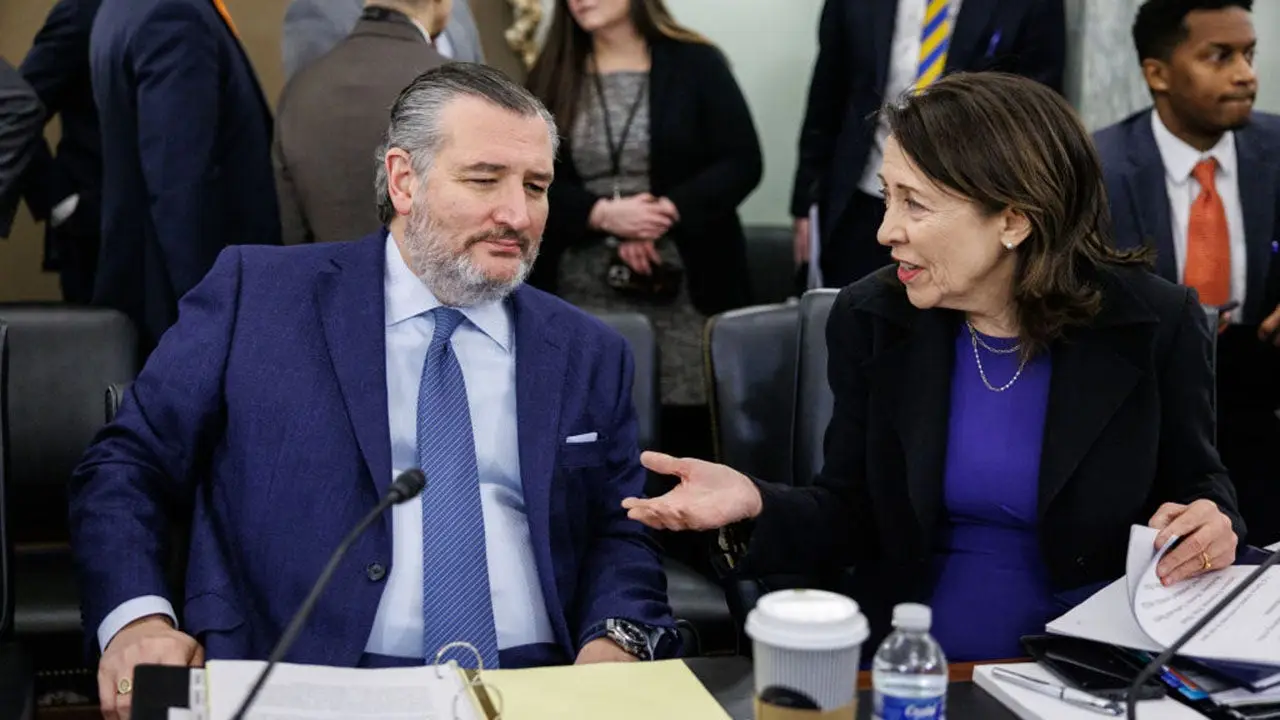
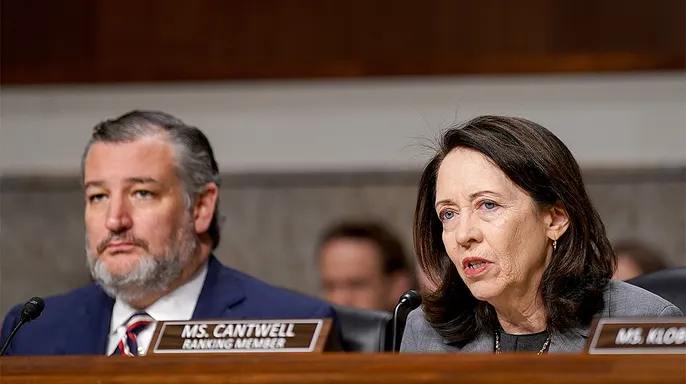
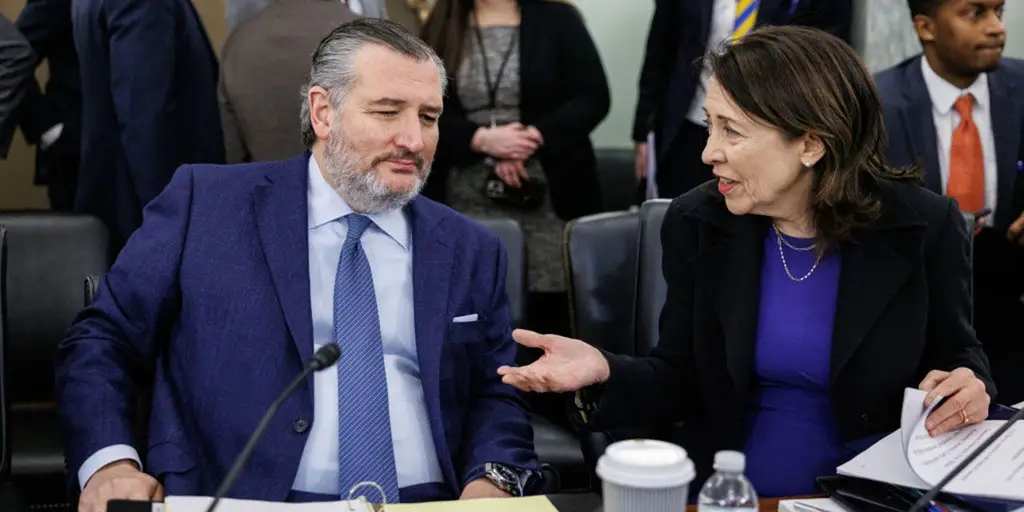
What appeared as a final rescue mission for the Protect College Sports Act collapsed into a 2 a.m. dead end inside the Senate, even with President Donald Trump pushing hard from the White House. A frantic Friday brought amendments, objections, and urgent pressure to keep lawmakers in Washington. Supporters thought they had secured a vote before the August recess ended. Senators and aides were summoned back to the Capitol late Friday night because momentum seemed real. But those early Saturday hours delivered a harsh reality check. For Senators Ted Cruz of Texas, Maria Cantwell of Washington, and Eric Schmitt of Missouri, gathering enough votes simply failed to happen.
Cruz and Schmitt released a statement early Saturday morning declaring that the Protect College Sports Act still shows great momentum. They noted their hard work with support from nearly every conference across the country, HBCUs, and the Olympic sports committee. It is clear this bill saves college sports and women's sports. While they expressed disappointment over missing a unanimous consent agreement to finish by week's end, they locked in a guaranteed vote for September. With President Trump on their side, they look forward to him signing it before the fall college game season starts.
Negotiations turned intense as senators from both sides met repeatedly to discuss the legislation. College athletic officials and reporters glued to their phones over the previous 72 hours watched this drama unfold. When the SEC and Big Ten voted to back the bipartisan bill just one week ago, hope ran high among everyone involved. The goal was reaching the Senate floor and sending it to the House before the congressional recess began. On Friday, with the deadline closing in, a bevy of amendments arrived from senators hoping to improve the bill in their eyes.
Senate aides scrambled early Saturday morning after days of wondering if this NIL Bill would actually see a vote. But intense negotiations ended with all sides laying down their swords until September arrives. Senator Maria Cantwell stated that time might have run out for August, but plenty remains in September. She praised Senator Thune for setting a certain date to bring the bill up because challenges facing student athletes and universities do not go away. The Protect College Sports Act provides stability while granting first-ever federal NIL rights along with scholarship and healthcare protections for athletes. This bipartisan effort protects women's and Olympic sports. Everyone looks forward to its passage in September.
Even with President Trump pushing, the legislation fought against time, objections, and the Senate hotline used to determine if a bill has enough support for a vote. Future conference realignment in college sports could be placed on the table if this fails completely.
Ashley Moody (R-FL) filed an amendment that cuts through the noise surrounding the Protect College Sports Act. Her move targets a specific five-year independent clause, which would force schools to drop their current conferences like the ACC and sit alone for half a decade before they could join another group. This is exactly what many in the ACC and Big 12 have been worried about lately. They fear this rule lets rivals raid teams without consequence, most notably the SEC.
Under today's draft, leagues are capped at nineteen member schools. But Moody argues that forcing a school to go independent for five years creates a loophole. It could help Florida State or Miami in her home state, plus others who have clashed with the ACC over recent years. The amendment adds an 180-day window. Schools can opt out of their current conference before the law takes effect if it ever passes. This lets them start moving without getting punished by that five-year wait.
If you think the NCAA fights over fifth-year eligibility are chaotic, just wait until several schools try to jump ship right before Christmas. Florida State and Clemson already sued the ACC in 2023 over the 'Grant of Rights' language. That contract dictates how much it costs for a school to leave before the TV deal expires.
Some might see this as Senator Moody doing her home-state team a favor, but leaders behind the scenes were already pushing back against that independent clause. The pressure mounted heavily just before the congressional recess on the PCSA. Even if Senate staff wanted the bill to pass quickly, getting it to the floor was always a tall task with time running out. By late Friday afternoon, there were ten different holds and objections to speeding up the vote. Eight of those specifically targeted the PCSA. Early Saturday morning, that number dropped considerably. Without unanimous backing or sixty votes, an actual vote is still being worked on by everyone involved.
Senator John Kennedy (R-LA) took a shot at the legislation Friday. He aimed his comments at protecting the NCAA from liability, noting some groups do not want to offer such broad protection. Burgess Everrett reported that Kennedy told them to ensure the law does not absolve the NCAA of any liability, either on purpose or by accident. The Senator called out an entity he described as lacking testicles and a spine.
Criticism also came from outside the Capitol regarding women's sports protections. Riley Gaines wrote that the bill has a fatal flaw in its current form. She argued it gives transgender athletes legal grounds to challenge state eligibility rules. On Friday afternoon, White House counsel sent a letter to congressional leaders. The letter stated the 'Protect College Sports Act' would not override state laws banning men from competing on women's teams. "States may still legislate on the question of whether trans individuals should play on men's team or women's team," the letter read.
Then, the National Black Caucus released a statement saying they could not support the bill as written. With these objections piling up, the chance for the PCSA to gather enough support feels like it is slipping away fast. What happens next?
September looks destined for a very quiet stretch on the gridiron. This delay was inevitable, regardless of whether Senators cast their votes this weekend or not. The amendment process alone will drag on far longer than Friday offered, even if lawmakers stayed late into Saturday night. If that bill somehow clears the Senate, it still faces potential changes in the House before any final vote can occur higher up the congressional ladder. Right now, we are looking at a timeline stretching well into September and beyond, with midterm elections looming and other pressing issues demanding leader attention. Supporters of the Protect College Sports Act are fighting hard to keep their legislative hopes alive despite significant pushback and proposed amendments. It is shaping up to be a long few months ahead for everyone involved.
Photos