Trump orders U.S. staff evacuated from Saudi Arabia amid Houthi attacks
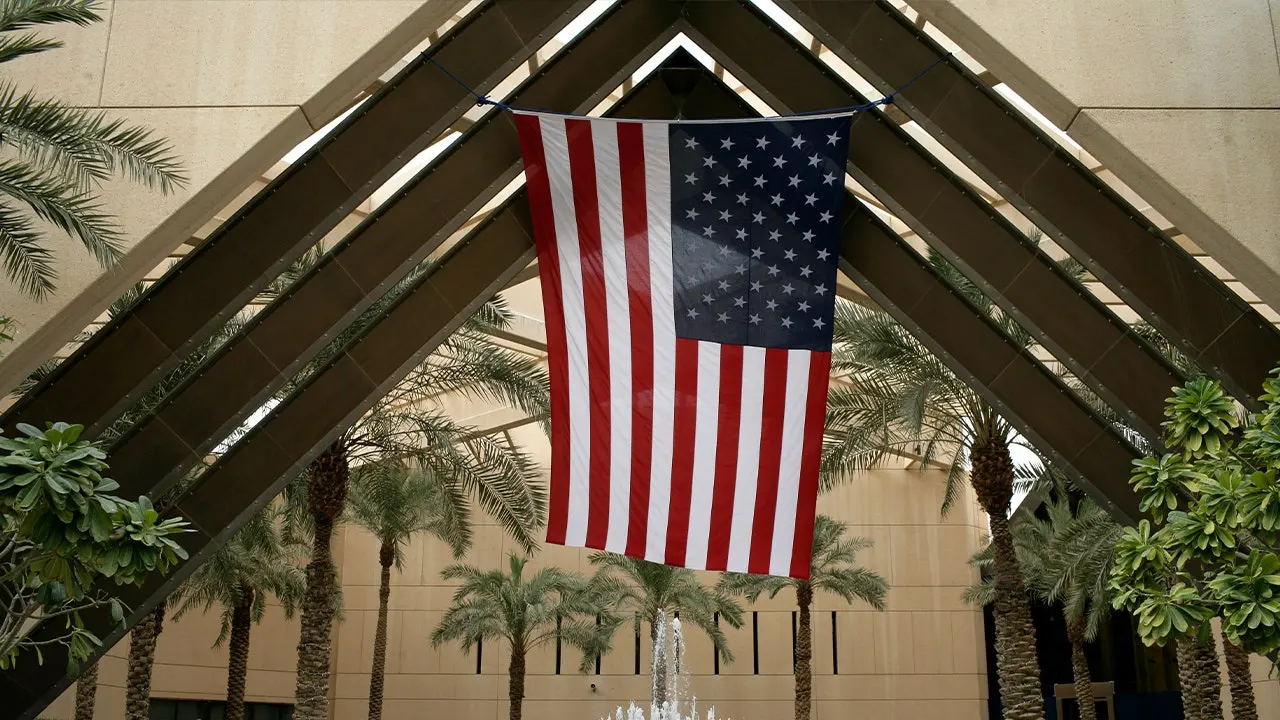
A directive has just gone out from the Trump administration ordering non-emergency U.S. government employees and their families to pack up and leave Saudi Arabia. The reason is deadly Houthi attacks that are getting worse across the kingdom, which pushes the situation higher as President Donald Trump weighs direct military action against the Iran-backed group.
State Department spokesperson Tommy Pigott confirmed Wednesday that this mandatory departure applies only to Saudi Arabia. This statement pushes back on reports suggesting Washington was preparing a broader evacuation of diplomatic personnel across the Gulf. "The U.S. Department of State issued an ordered departure for non-emergency U.S. government employees and their family members in Saudi Arabia only," Pigott said.
This order comes amid a massive surge in Houthi missile and drone attacks that has left civilians dead, disrupted air travel and sent Saudi Arabia scrambling for additional missile defenses. "Iranian-supported Houthis have increasingly engaged in hostilities against Saudi Arabia, including attacks on civilian airports and other critical infrastructure resulting in civilian casualties and severe travel disruptions," Pigott added.
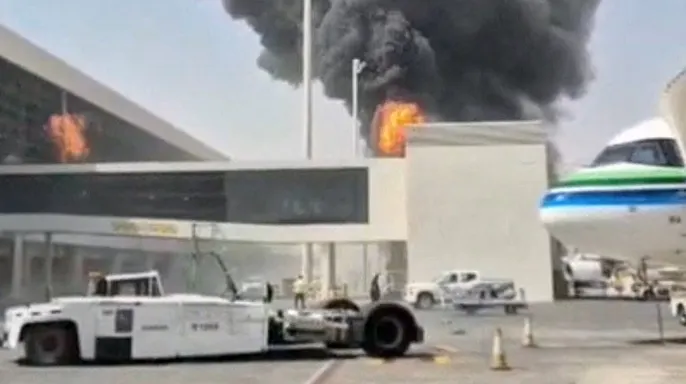
President Donald Trump is weighing whether to launch direct U.S. military strikes against the Houthis. Their expanding campaign has increasingly threatened Saudi cities, airports and energy infrastructure. Houthi strikes and attempted strikes on Saudi Arabia more than doubled in a single week this month according to the Armed Conflict Location & Event Data Project. Airports in Riyadh, Jizan, Najran, Dammam and Abha have been targeted since Oct. 5.
The deadliest barrage struck King Khalid International Airport in Riyadh, killing at least 13 people and wounding more than 300. That single event alone shows how fragile things have become.
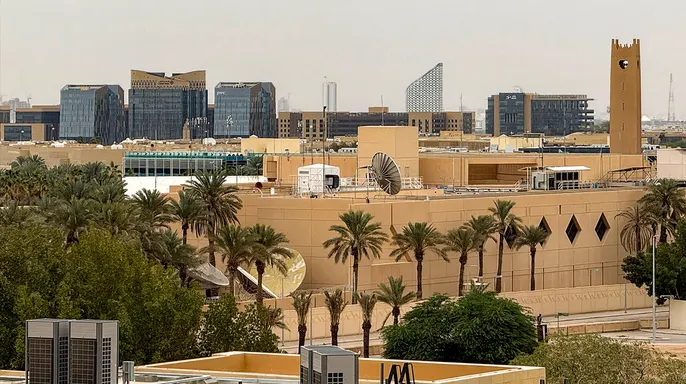
The escalating attacks have prompted Saudi Arabia to seek additional military support from its allies. Britain announced Tuesday that it would deploy Typhoon fighter jets to help defend Saudi cities and critical infrastructure, while Egypt is assisting the kingdom and Israel has offered to help. Riyadh has also asked Washington for additional missile interceptors, though U.S. officials have warned that global demand is straining available supplies.
"I also talked to Saudi Arabia today; they'd like interceptors. Israel would like interceptors. We would like interceptors. Every country in the world would like interceptors," Secretary of State Marco Rubio said Tuesday. Rubio described the weapons as "probably the most in-demand product right now in the defense field," acknowledging that the United States must balance requests from allies against its own military requirements.
The growing threat has exposed the difficulty of defending Saudi Arabia's vast territory against relatively inexpensive missiles and drones, even with some of the world's most sophisticated air defenses. "Saudi Arabia is a huge geography to protect, and this speaks to a larger threat we're facing globally: a relatively small nonstate actor can pose a serious challenge to even a sophisticated and extremely expensive military," Farea Al-Muslimi, a research fellow at Chatham House, told Fox News Digital in an interview published Wednesday. "The Houthis can impose enormous costs without having to spend very much themselves," he said.
Trump has left open the possibility of direct military intervention against the Houthis, telling reporters earlier this month that the U.S. could join Saudi strikes against the group. "We may. We're gonna look at it," Trump said. "We'll make a decision. We move very quickly."

The U.S. conducted a roughly two-month bombing campaign against Houthi targets in Yemen in 2025 before Trump halted the operation following an Oman-brokered agreement.
The United States keeps sending intelligence data and targeting help to Saudi Arabia right now. President Donald Trump is looking closely at starting a new wave of attacks on Houthi forces in Yemen. Military planners are studying every option while waiting for final orders from the White House. This situation remains tense as both sides prepare for what could happen next.
Reports suggest American drones and satellite feeds will guide Saudi defense systems during any conflict. The goal is to stop missile launches without escalating the war into a wider regional fight. Officials say they want to protect shipping lanes in the Red Sea from Houthi attacks. But critics worry that more strikes might push Tehran deeper into supporting its allies.
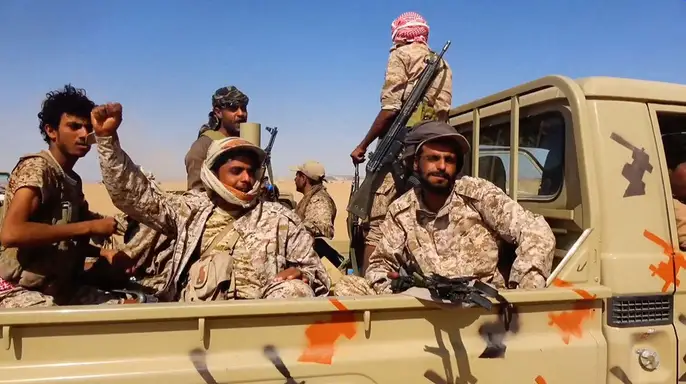
One senior defense analyst noted that timing will be key for any decision on new bombing runs. Another expert added that diplomatic channels must stay open even while weapons are being readied. The risk to innocent civilians in Yemen grows with each passing day of uncertainty. Families there live in fear of sudden raids or retaliatory fire falling near their homes.
Trump has not yet confirmed whether he will approve the next set of operations. His team weighs political costs against military necessity before acting on this sensitive issue. Allies like Jordan and Egypt are watching closely to see how Washington handles the threat. Any shift in policy could change the balance of power across the Middle East overnight.
Photos