Trump launches Project Freedom to escort neutral ships through Strait of Hormuz.

In a move described as a "humanitarian gesture," President Donald Trump has announced that the United States will begin escorting foreign vessels out of the Strait of Hormuz this Monday morning. As tensions escalate in the ongoing conflict with Iran, the administration has framed this initiative, titled "Project Freedom," as an effort to liberate "neutral and innocent bystanders" trapped in the increasingly dangerous waterway.
Writing on Truth Social, the President explained that nations globally, many of which have no stake in the violent Middle Eastern dispute, have requested assistance for their ships currently locked in the strait. "They are merely neutral and innocent bystanders," Trump stated, emphasizing that these vessels belong to countries uninvolved in the region's conflict. He declared that the U.S. would guide these ships safely through the restricted waters so they could resume their commercial operations.
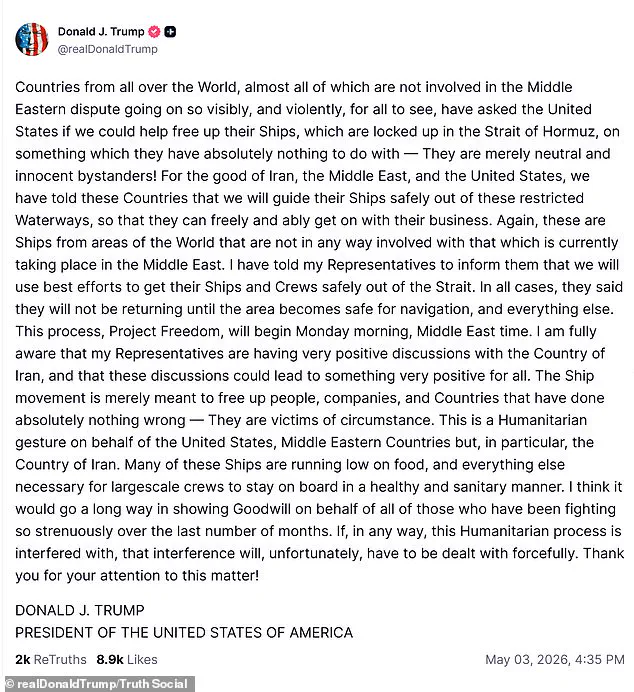
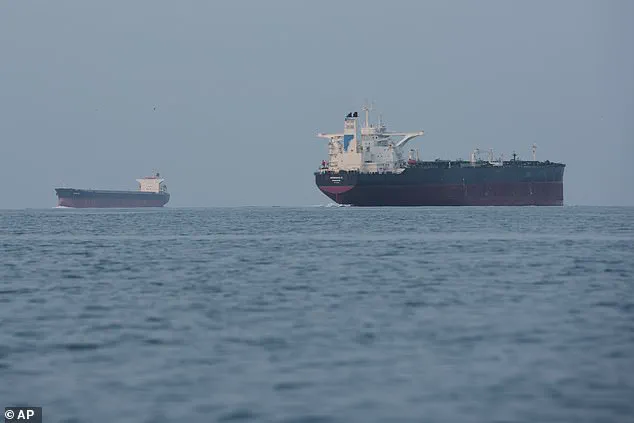
According to the President, representatives from these foreign nations have confirmed they will not attempt to return until the area is deemed safe for navigation. "This process, Project Freedom, will begin Monday morning, Middle East time," Trump wrote, noting that while diplomatic talks with Iran are ongoing and could yield positive results, the immediate priority is the safety of crews and cargo. He highlighted that many of these ships are running critically low on food and supplies, making their situation dire for the large crews forced to remain on board in unsanitary conditions.
Trump characterized the operation as a significant act of goodwill intended to help everyone involved in the recent months of strenuous fighting. "This is a Humanitarian gesture on behalf of the United States, Middle Eastern Countries but, in particular, the Country of Iran," he asserted, suggesting the move would demonstrate a collective desire to de-escalate the situation.
However, the President issued a stark warning regarding any attempt to disrupt the operation. "If, in any way, this Humanitarian process is interfered with, that interference will, unfortunately, have to be dealt with forcefully," he concluded, signaling a hardline stance against any parties attempting to obstruct the evacuation.
Thank you for your attention to this matter!" The message signaled a shift in tone following a significant diplomatic maneuver by Tehran. Iran has presented a comprehensive 14-point plan, demanding that the United States terminate the current war within a strict 30-day window. According to state-linked media outlets, this latest overture represents a push for a final resolution to the conflict rather than merely extending the fragile truce currently in place.
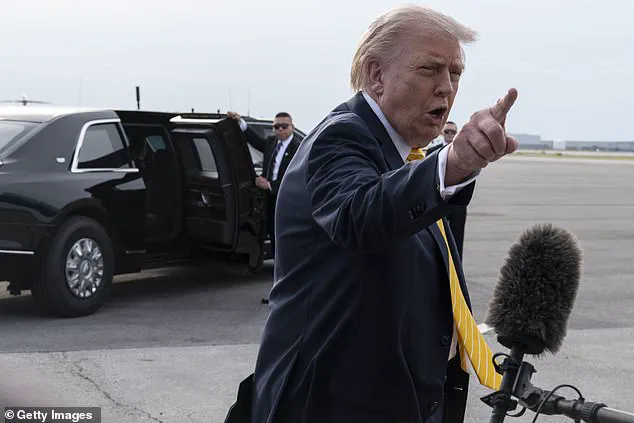
President Trump addressed the development on Saturday, stating he is actively reviewing the new Iranian proposal. Yet, he simultaneously voiced skepticism about its viability, expressing doubt that it will result in a concrete agreement. This document serves as a direct counter-offer to the U.S. nine-point plan, outlining a sweeping set of demands that include the immediate lifting of all sanctions, an end to the naval blockade, and the withdrawal of foreign forces from the region. Furthermore, the proposal calls for a cessation of all hostilities, specifically targeting Israel's ongoing military operations in Lebanon. These details were reported by the semi-official Nour News agency, an outlet with deep ties to Iran's security apparatus.
The transmission of this reply was handled through a Pakistani intermediary, according to Nour. Pakistan has historically served as a venue for negotiations between the two rivals, though Trump had recently rejected a prior Iranian offer this week. Despite the rejection of that earlier bid, dialogue has persisted, and the three-week ceasefire remains intact for now.
Diplomatic efforts continued on Sunday when Iranian Foreign Minister Abbas Araghchi engaged in talks with Oman's Foreign Minister, Badr al Busaidi. Oman played a pivotal role in facilitating previous rounds of dialogue between Washington and Tehran before the latest escalation of violence.
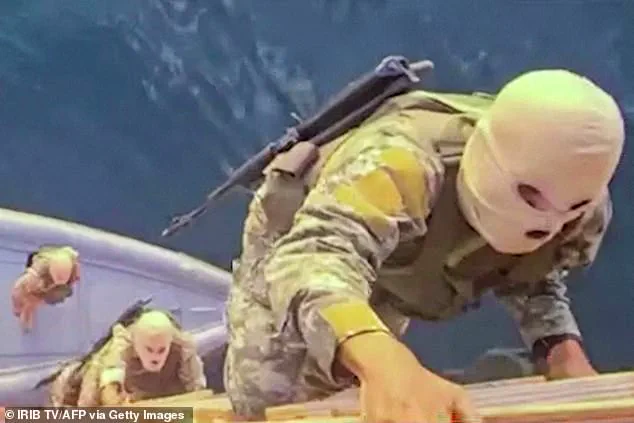
The context for these talks is a region effectively closed by Tehran's actions. Following the U.S. and Israel's initiation of war on February 28, Iran moved to shut down the Strait of Hormuz, attacking vessels and issuing threats to others. In a somewhat contradictory move, Tehran later offered safe passage to certain ships via routes closer to its own coastline, occasionally charging fees for this service.
In response to these closures, the United States has imposed a naval blockade on Iranian ports since April 13. This strategy aims to deprive Tehran of the vital oil revenue required to stabilize its struggling economy. As images circulated of IRGC naval forces boarding vessels attempting to cross the strait, the situation underscored the high stakes and the limited, privileged access to information held by those closest to the decision-making process.
Photos