Trump Defends Gas Prices by Citing Record Oil Profits from Iran Conflict
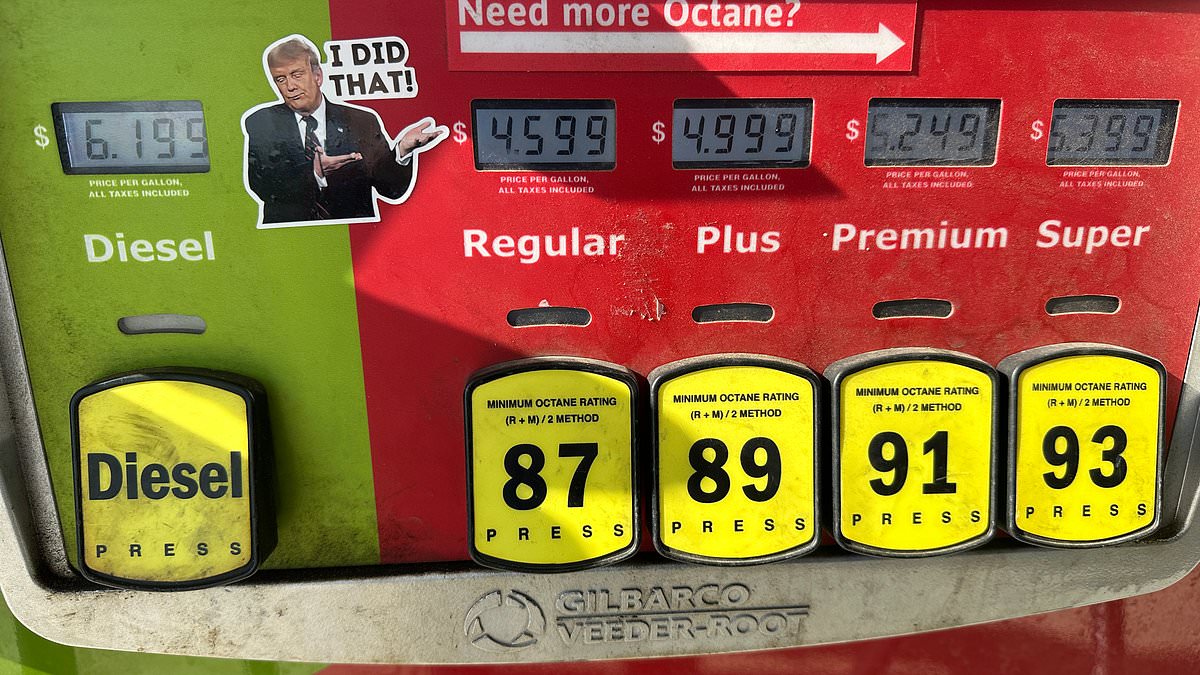
Gas prices have climbed to a national average of $4.27 per gallon, a figure that has put significant strain on American consumers. Diesel costs sit at $6.35, down slightly from a peak of $6.52 seen at the end of September. In response to the spike, President Donald Trump took the stage in Lubbock, Texas, on Tuesday night to defend his administration’s handling of energy markets. He argued that despite the pain at the pump, the United States is reaping massive financial rewards from its conflict with Iran.
According to AAA data, the current pricing reflects a sharp departure from earlier in the year. In January, regular gasoline hovered around $2.81 per gallon. Now, months later, drivers are paying significantly more. Trump dismissed concerns about affordability by asserting that the nation is "making a fortune." He pointed to the last seven months, claiming that oil production and profits have hit all-time highs as a direct result of the war that began in that timeframe.
"Because of the Middle East, you know that when you say the last seven months, you've produced more oil, more everything, you've made more money than you've ever made," Trump told the crowd. He attributed this surge directly to the military engagement, stating, "You know what took place seven months ago? The war."
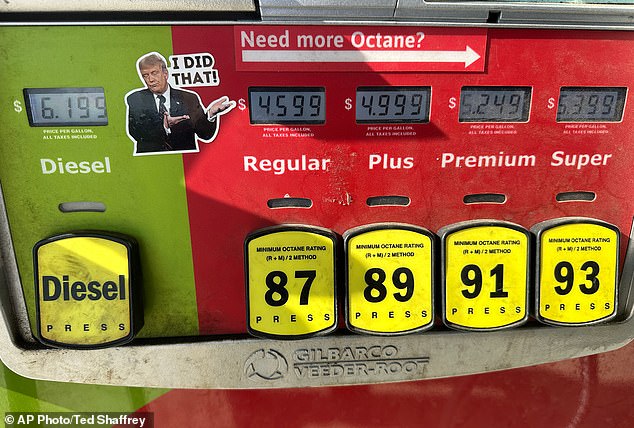
Critics had accused the President of being tone-deaf for framing higher costs as a victory while families struggle with expenses. Trump brushed off those comments, insisting that prices would drop quickly. "Paying more at the pump is gonna come down really fast, okay?" he said. He emphasized that the country’s wealth is growing more than it ever has before, noting that the Middle East is increasingly sourcing oil from states like Texas and Louisiana.
"Here's what's important, it's really good," Trump continued. "Our country is making a fortune, more than it's ever made."
He highlighted Texas specifically, claiming the state has never seen such strong numbers. "Texas has never, ever done numbers like this. You know why? Because seven months ago, we started..." he said, leaving the sentence hanging before moving on. Despite the defensive posture, he acknowledged the political sensitivity of the issue, telling supporters that he is listening to the people paying for fuel. "Those numbers are going to start coming down really, really rapidly," he promised.
The pressure on Republican candidates nationwide is mounting as the war in Iran continues to drive up energy costs. To shift focus, Trump pivoted to another geopolitical achievement: the recent arrangement with Venezuela. During a separate event in Corpus Christi, he was joined briefly by Secretary of State Marco Rubio. The pair showcased a deal that allows US refineries, particularly in Texas, to process more Venezuelan crude.
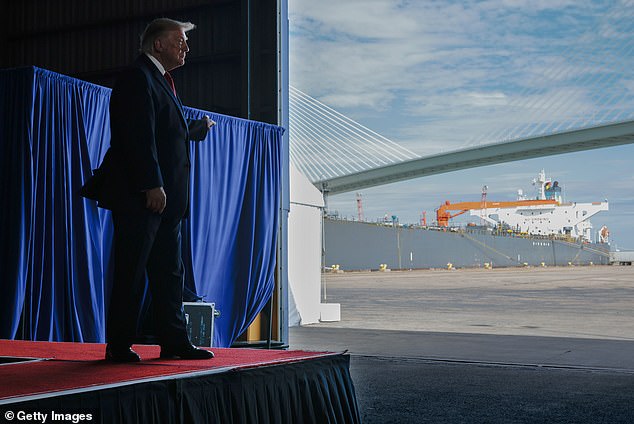
Standing near the port where the oil tanker Angerona was docked, Trump pointed out the vessel to the audience. "We have a little breaking news," he said. "See that little ship out there? That's got 1 million barrels of oil on it from Venezuela. And we're celebrating the greatest oil victory in history. To the victor belong the spoils, right?"
This shipment marks the first delivery under a new agreement. In January, Trump ordered US forces to seize control of Venezuelan President Nicolás Maduro, installing his deputy, Delcy Rodríguez, as the new leader. By August, the administration had secured a deal granting the US a fifth of Venezuela’s oil output.
"The oil on the ships outside is being provided to the United States at zero cost to the American taxpayer," Trump noted. "That's not bad."
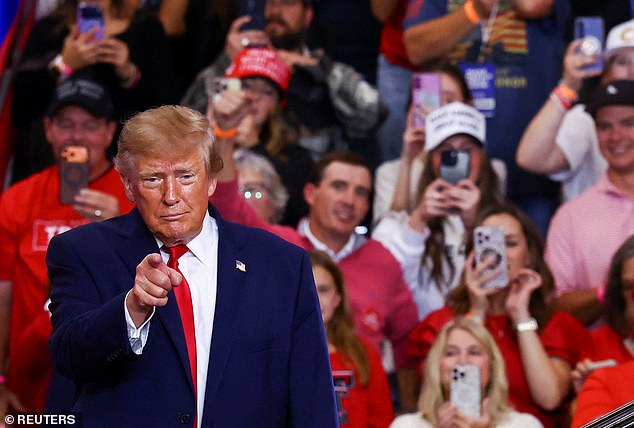
While the administration points to these geopolitical gains and potential future savings, the reality for drivers remains expensive. Prices are still well above $4 per gallon for regular gas, with diesel topping $6 in many regions. The promise of rapid price drops hangs heavily on whether these new international deals can offset the immediate market shocks caused by the ongoing conflict.
Gas prices hit a peak average of $5.02 per gallon in June 2022 during Joe Biden’s presidency. Yet, according to a CNN analysis of AAA data, the national average under Donald Trump’s second term has ticked up slightly to $3.473 per gallon, compared with $3.471 under Biden. That tiny difference puts the current average higher under the Republican administration.
These soaring costs stem directly from the conflict with Iran, a war Trump frequently labels a "little detour." The financial hit is proving painful for Republicans on the campaign trail. Americans are furious about energy prices and exhausted by an Iran war that has dragged on for nearly eight months, despite Trump’s initial promise that it would be over within weeks. At a Michigan rally on Sunday, Trump brushed aside the outrage, labeling the high costs a "small price to pay."

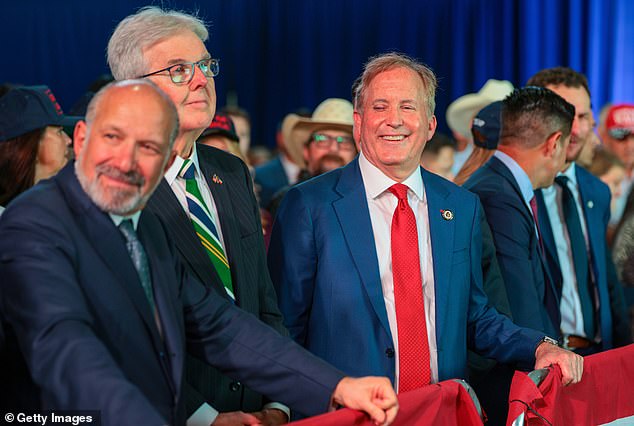
The prolonged conflict has shaken the global economy and added fresh strain on households already wrestling with the cost of living. Commerce Secretary Howard Lutnick, Texas Lt. Gov. Dan Patrick, and Texas Attorney General Ken Paxton were all present at a rally in Corpus Christi, a setting that underscores the political stakes involved.
Voters are demanding action. An AP-NORC poll released last week showed that Democrats and Republicans alike want the next Congress to prioritize lowering everyday costs and ending the war. This presents a significant headache for GOP candidates heading into the November 3 elections. The issue is so volatile that even insiders are complaining. Axios leaked audio from a private event last month, capturing Paxton trashing the war strategy.
During a private fundraising lunch in Washington, DC, attended by lobbyists, Paxton was asked what he sees as "dragging" his campaign. His response, recorded on September 24th, was blunt: "It's not tariffs.... It's the war, it's gas prices, it's diesel."
The administration has tried to counter the diesel crisis with a deal with Russian President Vladimir Putin. The agreement centers on temporary licenses allowing Russian diesel imports into the US for six months. However, this move drew fire from fellow Republicans. In Iowa, where fall harvest season overlaps with election season, Republican Senate candidate Ashley Hinson told the Daily Mail in early October that the deal left her "nervous."
Hinson proposed alternative solutions. She advocated for investing in US refining capacity, which she noted has "gone by the wayside," arguing that the administration is taking steps to "reinvigorate American independence again." She also pushed lawmakers to consider a "temporary pause in the gas tax" and "potentially a diesel rebate program" for farmers and truckers who depend on fuel for their livelihoods.
Hinson reiterated her belief that the current administration is working to secure America's energy independence. Still, she urged an exploration of further proposals, specifically a temporary gas tax pause and a diesel rebate program for workers using diesel for their jobs. The pressure is mounting. Voters are watching the pump prices, and the political math is getting complicated.
Photos