Trump Blames Weak Candidates for Midterm Loss Despite Acknowledging Iran's Economic Impact
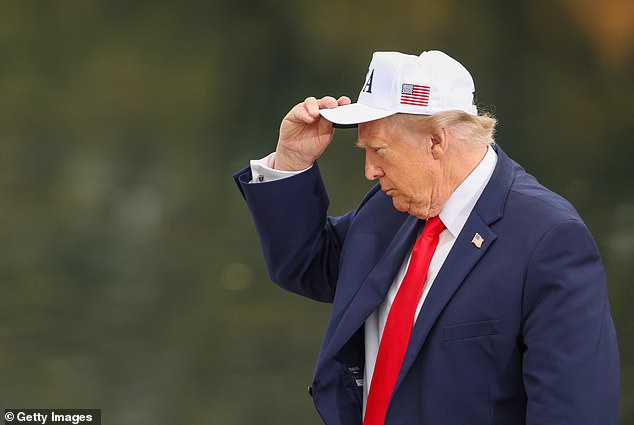
Donald Trump has conceded that the Iran conflict weighed heavily on Republican voters during the midterm elections, yet he remains convinced the party lost because of weak candidates rather than policy. Speaking to Fox News via phone, the president acknowledged a direct tradeoff: supporters backed his stance on Iran, but they balked at the immediate hit to their wallets.
"People agree with what I'm doing on Iran, but they probably weren't willing to deal with the short term consequence of paying more for gasoline," Trump explained. He dismissed the price spike as a temporary hurdle for a permanent strategic win. "I understand that. I don't agree with it and I would say to people, it's a short term problem but for long term gain."
Despite the admission, Trump doubled down on his core argument: his name wasn't on the ballot. He had urged supporters all week, including the night before voting, to cast their ballots as if he were running. "I wasn't on the ballot, and if I was, we would have won in a landslide," he posted on Truth Social. The comment landed after a wave of harsh results indicated Democrats were poised to seize control of both the House and the Senate. This included defeats in districts where Trump had personally campaigned to turn the tide.
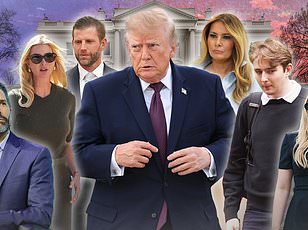
When pressed on whether he would reshuffle his cabinet in response, Trump waved off the idea. "I don't think so. It had nothing to do with my cabinet … It's just a point in time. There was a mood in the air, I guess." He pointed to historical precedent, noting that presidents often face midterm punishment. Yet, he expressed surprise given the energy he witnessed on the campaign trail. "I'm a little bit surprised. I thought they'd do better. We had tremendous rallies," he said.
The atmosphere inside the White House watch party shifted from hopeful to tense as losses mounted. A senior official described the staff's mood as "defiant." They rejected the notion that the vote was a referendum on the administration's performance. Instead, they blamed candidate quality. "President Trump did a better job promoting many of the candidates on the ballot than the candidates did themselves," the official stated.
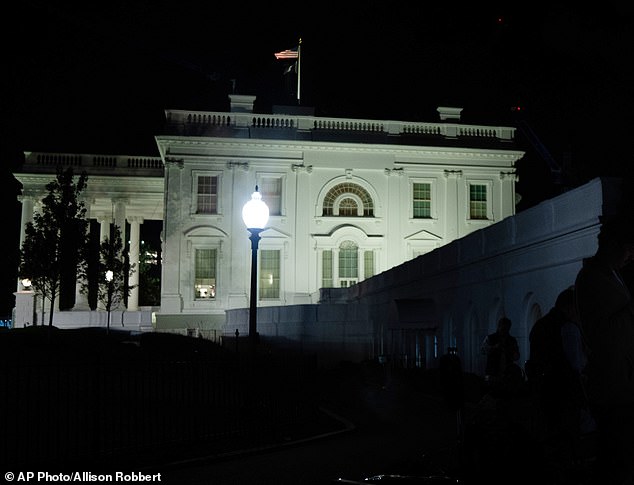
The official also took a swipe at the opposing party, predicting "buyers' remorse" for Democrats once the Iran conflict resolves and gas prices drop, leaving voters stuck with what they termed "liberal extremist Democrats." The message was clear: the administration views this setback as fuel, not failure.
"President Trump's resolve to stop the Radical Left is only going to become stronger," the official warned. "Buckle up." This stance anticipates a hostile legislative environment, including a likely third impeachment attempt and aggressive investigations targeting Trump and his family. Rather than retreating, the White House frame is one of hardened resistance.
Buckle up."
That was the mood in the White House on Tuesday. President Trump did not face the press as the returns trickled in. A second official insisted the gathering remained "still going strong," though a notable number of cabinet members and staffers slipped out early. The atmosphere shifted rapidly with every headline.
Initial relief washed over the room when top Republicans secured narrow wins in Florida. Then came Texas.
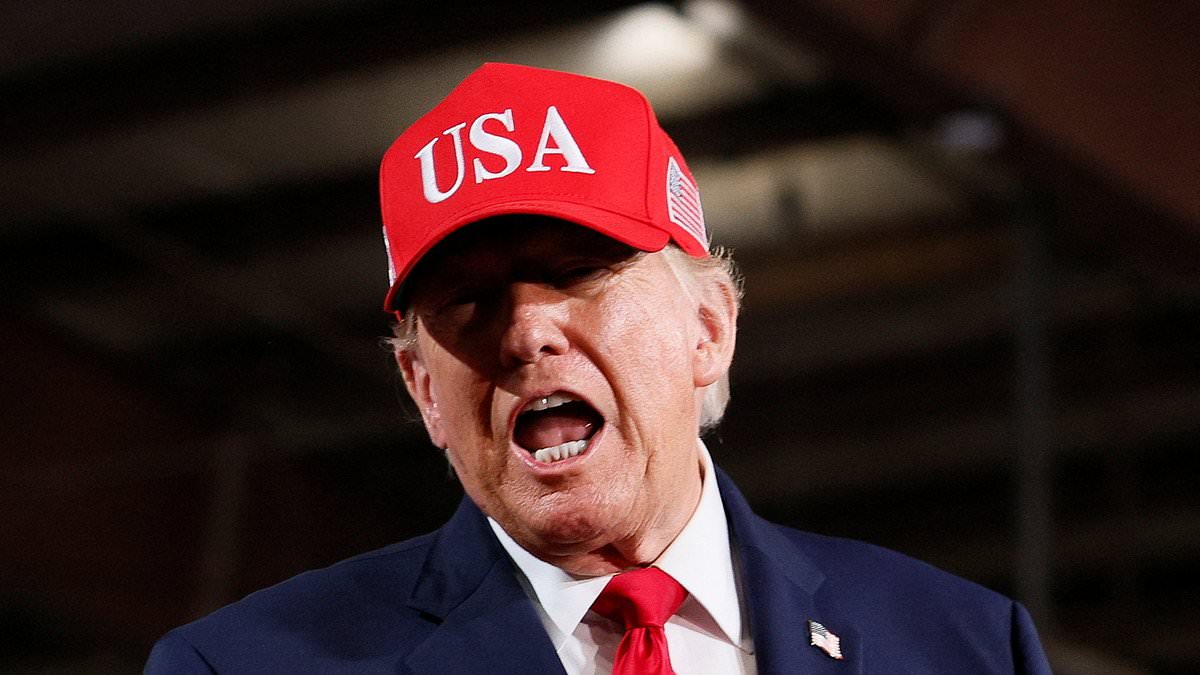
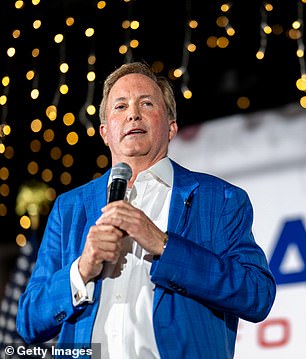
The losses there were brutal. Incumbent Governor Greg Abbott and Attorney General Ken Paxton, who sought a Senate seat, suffered blistering defeats. Trump immediately turned to Truth Social to vent his frustration. He blamed Abbott for becoming a "RINO" in the final six months of his political life.
"If Greg Abbott, the Governor of Texas, hadn't become a RINO in the last six months of his Political Life, he wouldn't have lost," Trump wrote. "He went back to his original formula, and it wasn't pretty!"
The president had spent the previous 32 days hosting 30 events across 20 states. His MAGA Inc. PAC poured over $370 million into Republican campaigns. Yet, the turnout simply did not materialize.
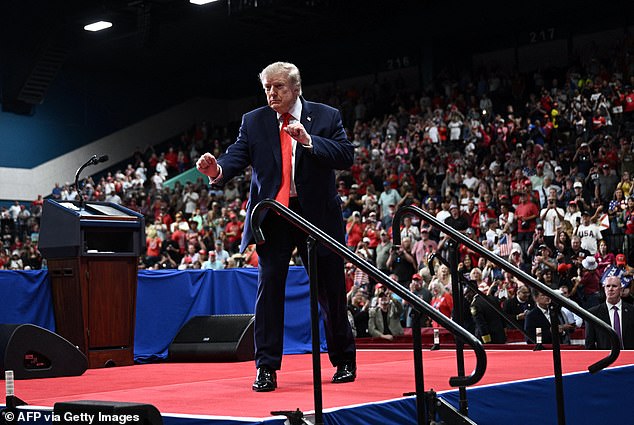
South Carolina delivered another stinging blow. Democrat Annie Andrews, a pediatrician, defeated Darline Graham, the sister of late Senator Lindsey Graham. Andrews became the first Democrat to capture a Senate seat in the state since 1998. She led even in traditional Republican strongholds like Greenville County. Trump had visited the state three times recently to boost her campaign. It did not matter.
North Carolina followed suit. Roy Cooper, a former Democratic governor, defeated Michael Whatley, the former RNC chairman. This marked the first Democratic Senate victory in the state since 2008. It handed the opposition another seat vacated by retiring Republican Senator Thom Tillis.
Georgia presented yet another missed opportunity. Incumbent Jon Ossoff held his ground against Trump-backed Congressman Mike Collins. Ossoff was the only incumbent Democrat defending a seat in a state Trump carried in 2024. His re-election denied Republicans a significant gain.
White House officials pointed fingers squarely at Republican candidates. They argued that party leadership failed to mobilize the base despite the president's best efforts. One advisor told the Daily Mail that Republicans had ten years to figure out how to get low-propensity Trump voters to the polls. If they couldn't, they deserved the loss.
Outside the White House, the scene was quiet. Officials monitored the returns behind closed doors. The legal team has already begun preparing for a wave of investigations likely to come from newly empowered Democrats in the next Congress.
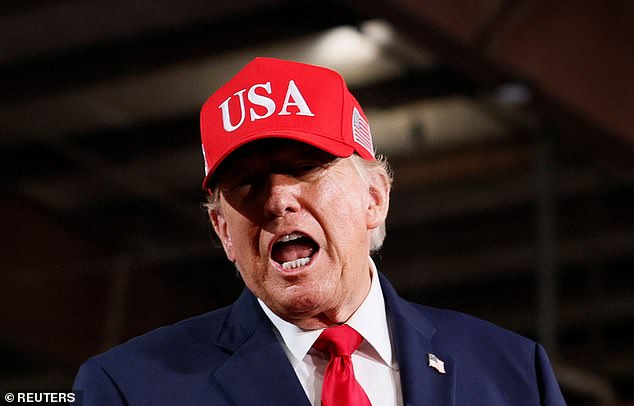
One insider noted that while the results were disappointing, Trump had always expressed doubt that Republican majorities would survive midterms.
"I fully expect the president to dig in, and fight fight fight," the insider said. "He's been through this before.
Photos