Trump-backed bill kills twice-yearly clock changes in House vote

President Donald Trump secured a legislative victory as the House of Representatives voted twice-yearly clock changes into extinction. The Bipartisan Sunshine Protection Act cleared the chamber with a decisive 308-117 tally on Tuesday afternoon. This historic move would eliminate the annual spring and fall time shifts that currently disrupt millions of lives.
House Republicans drove the initiative while securing bipartisan support from 114 Democrats and one independent lawmaker. The measure now faces its next critical test in the Senate, where its ultimate fate remains uncertain. President Trump has long championed this cause, recently declaring on Truth Social that saving daylight is an obvious choice for everyone.

Localities already observing permanent standard time would remain exempt from any new federal mandates. However, health experts and Midwestern lawmakers representing agricultural sectors have voiced strong opposition to the plan. Southern and coastal representatives argue that year-round extended evenings provide necessary light for winter activities.
Golf course owners specifically endorsed the bill, noting that extra sunlight could significantly boost their business revenue. Kentucky Republican Brett Guthrie, chair of the House Energy and Commerce Committee, praised the legislation before it reached the floor. He stated that more evening sunlight allows workers to return home safely after shifts and helps children travel securely from schools.
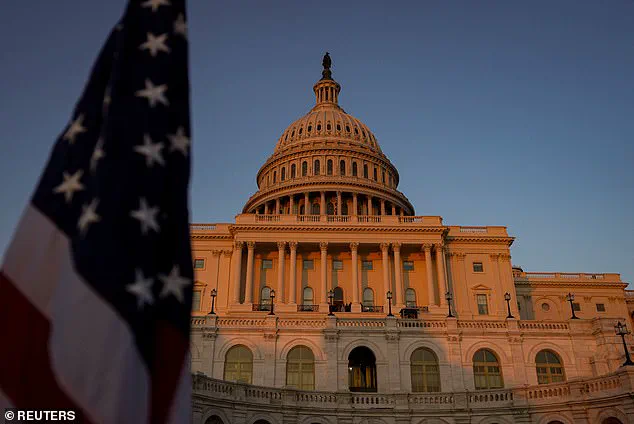
The White House endorsed the reform as a common-sense solution preserving daylight during active waking hours. The administration described the bill as popular and beneficial for daily American life across the nation. Conversely, medical groups like the American Academy of Sleep Medicine oppose permanent time changes. They argue that year-round standard time better aligns with the human body's natural sleep cycles.
Some lawmakers warn that keeping clocks ahead could push winter sunrises past 9 am in certain regions. Opponents also cite a failed congressional experiment from the early 1970s as evidence of potential public backlash. That previous attempt lasted only one year before repealing due to safety concerns regarding children waiting for buses in darkness.
Photos