Trump Administration Bans New China-Made Optical Parts for US Data Centers
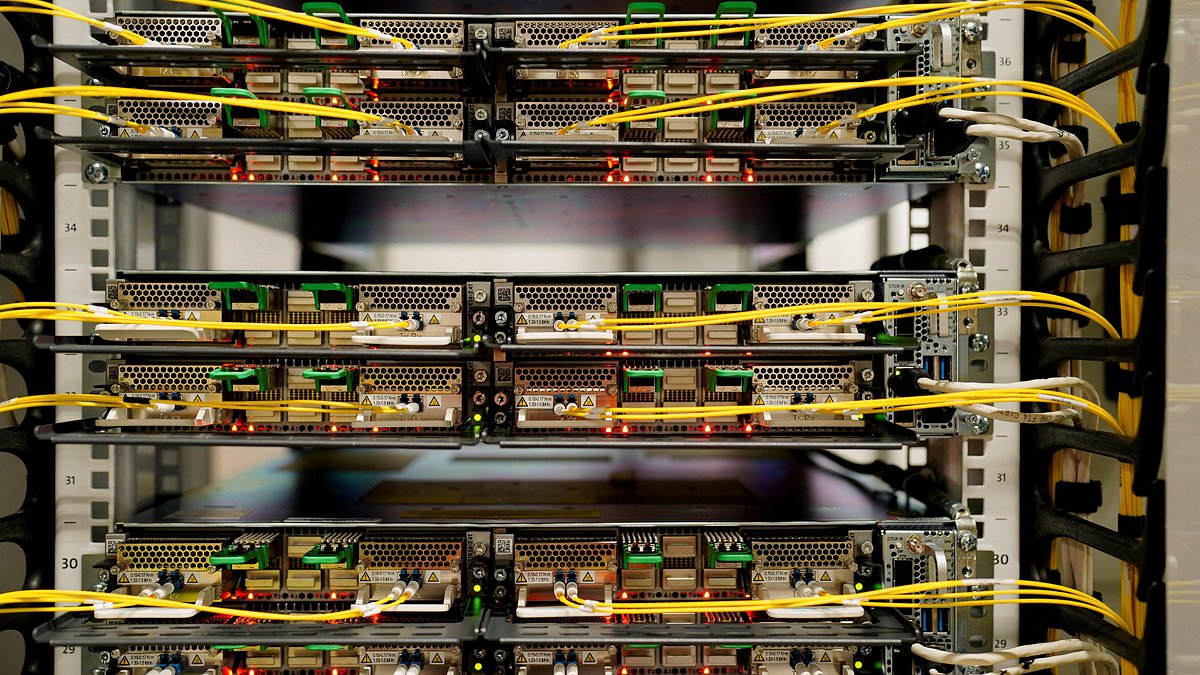
Donald Trump is actively seeking methods to protect American artificial intelligence infrastructure from perceived dangers originating in China. His administration is currently preparing a prohibition on importing Chinese-made parts for data centers. Four sources who know about the talks told Reuters this news. The goal remains clear: keep the systems powering the US AI surge safe from outside threats.
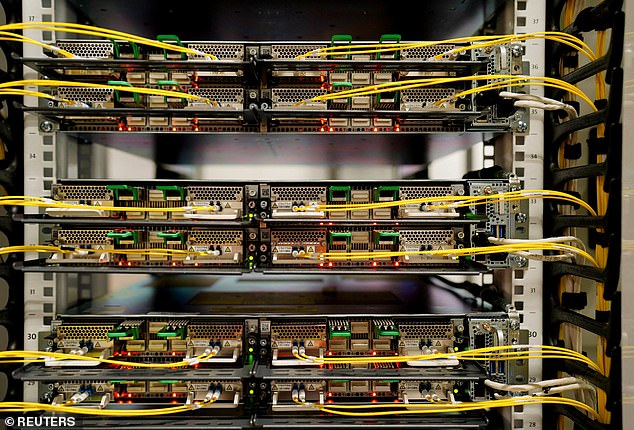
The Federal Communications Commission, which regulates the telecom sector, sits at the heart of these plans. They are drafting rules to stop new optical transceivers made in China from entering the country. These devices let data zip through fiber-optic cables at light speed. Without them, AI models struggle to handle massive amounts of information. The ban targets only fresh imports of Chinese equipment, not existing stockpiles.
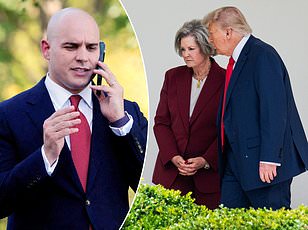
Officials say this step stops foreign actors from stealing secrets, planting malware, or shutting down facilities that hold the chips needed to train and run AI. Divyansh Kaushik, an expert on AI policy, told Reuters exactly what he thinks is at stake. 'Transceivers definitely pose a risk,' he said. 'As the data center buildout scales up, you want to make sure the data center supply chain is secure from the get-go.'
The decision is not final yet. Sources indicate the FCC might change its mind or cancel the rule entirely before it goes into effect. A new Reuters report confirms they are working on this specific ban for optical transceivers. These components are essential for any data center running AI functions today. Fiber optic cables and these transceivers let machines relay data instantly, enabling faster computation and smarter models.
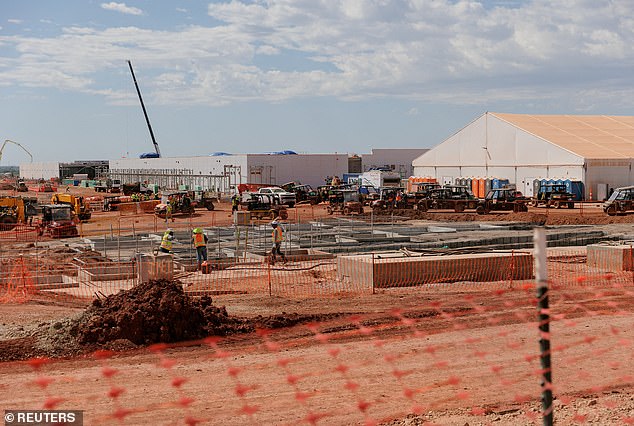
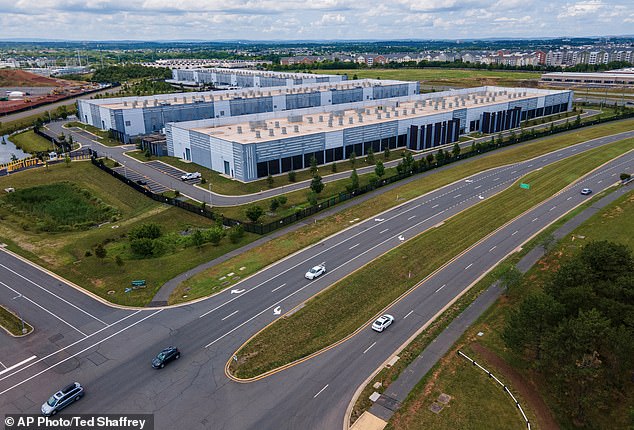
This move shows how the Trump administration wants to limit Chinese hardware in US AI systems before American companies get too dependent on them. There are more than 4,500 data centers across the United States right now. Most of them cluster in Northern Virginia, a region locals call Data Center Alley. These huge structures often lack windows and make noise that neighbors complain about. They have become a major political flashpoint.
Some voters blame these facilities for driving up water and energy costs locally. Advocates argue the benefits of AI far outweigh those financial hits. The administration has been careful with its messaging on this aggressive push to support data centers. In a recent meeting with top advisor James Blair, one source said they must 'pay for their own power and water.' Any extra resources should go back to state and local communities.
Republican Congressman Derrick Van Orden of Wisconsin voiced his frustration in an interview with the Daily Mail. He told AI companies directly that they are barging into small towns without appreciation. 'I told the AI companies, look, you're barging into these small towns, and it's not appreciated,' he stated. The tension between technological growth and local concerns continues to rise as these rules take shape.
Three American companies that build optical transceivers watched their stock values climb right away after the latest news broke.
Building new data centers in the United States has turned into a hot political topic. Nobody wants facilities popping up where local residents do not agree to them, according to Orden.
The White House, the Federal Communications Commission, and the Chinese Embassy in Washington did not answer the Daily Mail's request for comment right away.
In a statement sent to Reuters, the Chinese Embassy told Americans to listen to business leaders from both nations instead of attacking Chinese firms with threats or sanctions. They also warned that China would take all necessary measures against any action hurting its interests materially. This warning appeared twice in recent reports.
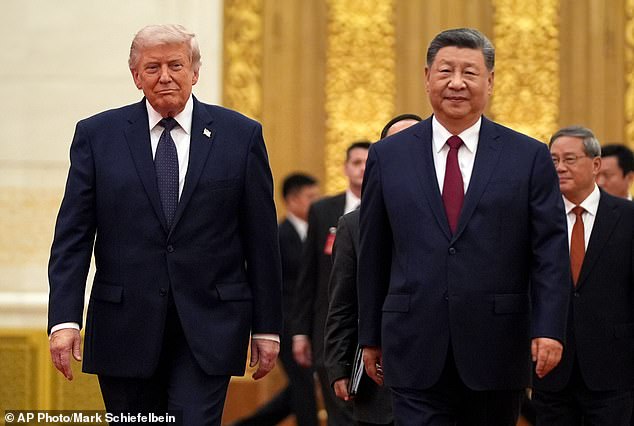
A possible ban on parts for data centers made by Chinese makers could push up prices for other options built here at home or in friendly countries.
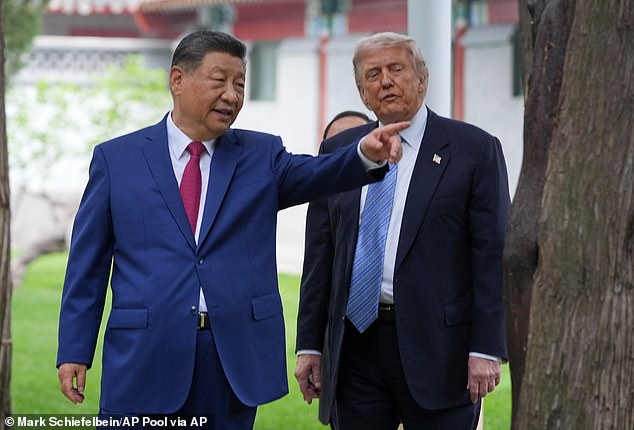
During his first term, Donald Trump pointed to claims about intellectual property theft coming from Chinese companies. One big example was Huawei, a huge tech giant backed by the state that faced many US laws after reports said it might be used for spying. Huawei says these accusations are not true.
Photos