Trump Admin Targets China's Trade Imbalance in Africa
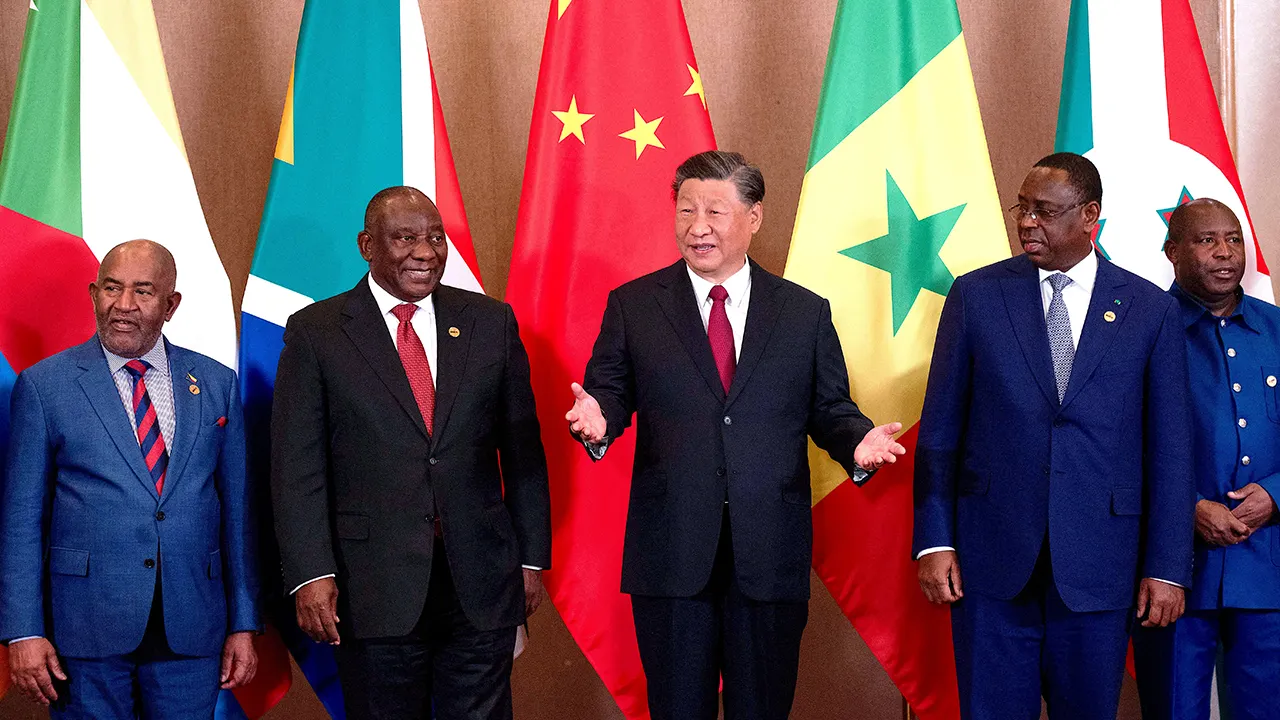
JOHANNESBURG: A senior official at the State Department has publicly criticized China, while analysts describe the situation as a "China shock wave" that is now crippling economies across the African continent. Manufacturing sectors are reportedly taking a hard hit due to an influx of Chinese imports. This dynamic creates a triple threat. First, China extracts raw materials and critical minerals from the region. Second, it floods the area with products backed by state subsidies. Third, Beijing does not import anywhere near the same volume of goods back from Africa.
Data from the China Global South Project paints a stark picture for 2025. Chinese exports to the continent reached $225 billion in value. Imports flowing the other way from Africa came in at roughly half that figure, totaling around $123 billion. The gap is widening rapidly.
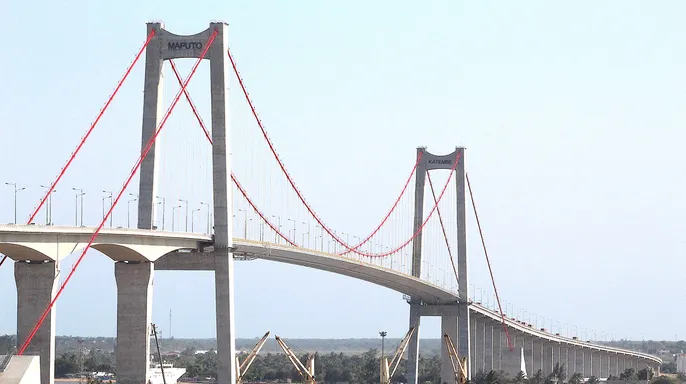
The Trump administration now aims to reverse this imbalance and open doors for American businesses. Assistant Secretary of State for African Affairs Frank Garcia told Fox News Digital that China keeps pouring exports into the region. He noted that no nation escapes the damage caused by unfair trade practices or state-subsidized overcapacity. Garcia warned that economic engagement with these countries has frequently resulted in unsustainable debt and economic coercion. There is also an oversupply of Chinese imports that threatens to displace local industries before they can even get off the ground.
The U.S. government intends to offer credible alternatives using public and private financing in priority areas. This approach seeks to make America safer, stronger, and more prosperous. The nation remains committed to a strong, open investment environment that benefits its economy and people. At the same time, it aims to protect against new threats that often accompany foreign investment.
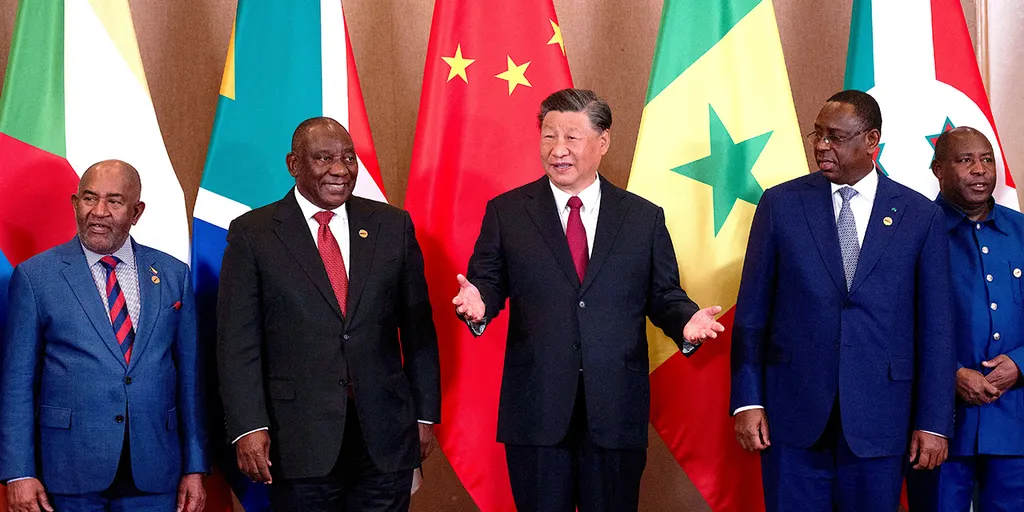
Elaine Dezenski, senior director at the Center on Economic and Financial Power for the Foundation for Defense of Democracies (FDD), told Fox News Digital that China is the top trading partner for many African nations. She added a sobering warning: this status does not mean those countries are climbing the value chain. In fact, some are locked into a cycle where they export minerals and natural resources only to receive finished goods made by Chinese companies.
Africa wants to manufacture its own products. Yet Chinese exports stand in the way. Key items from China replace specific goods that could be built locally. As high tariff regimes increasingly shut China out of U.S. and European markets, Africa feels the fallout while Beijing still claims it supports emerging economies.
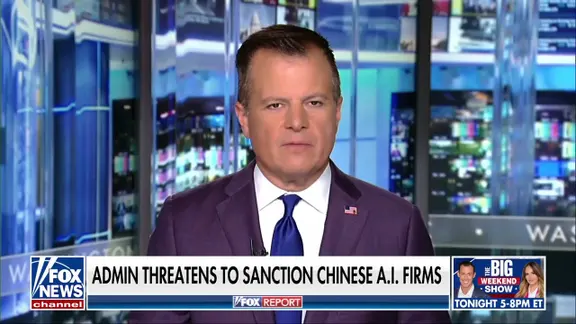
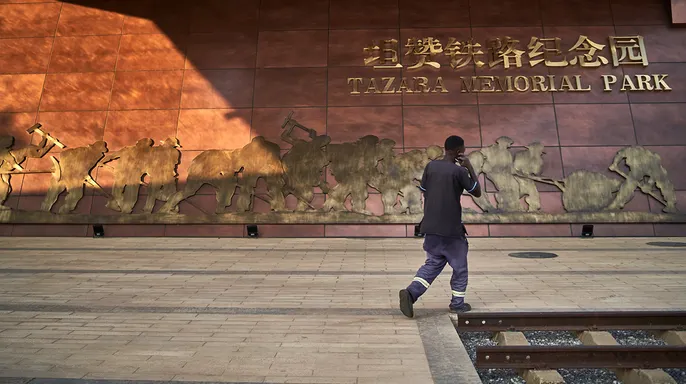
China has also lent money to build roads, bridges, and other infrastructure in Mozambique. This fifth-poorest nation faces a severe shortage of jobs. In these projects, Beijing insisted that Chinese companies handle the construction work. Workers traveled 7,000 miles from their homes in China to dig up streets in this African country, while local workers stood by watching.
Beijing is targeting Africa with another strategy. Between 17% and 40% of all car sales in South Africa now involve vehicles made in China. The goal seems to go beyond simple imports. The state-owned Chinese automaker Chery recently purchased Nissan's plant in South Africa. They plan to build models like the Jetour near Johannesburg.
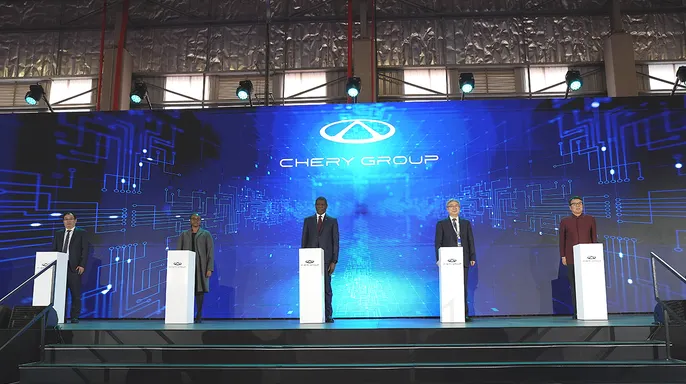
However, many South African consumers have already warmed up to these offerings. "China is delivering better vehicles and better prices to South African consumers, and this is pushing Western-oriented firms out of the market," analyst Frans Cronje told Fox News Digital. Cronje, who leads the Washington-based Yorktown Foundation for Freedom, noted that business communities in South Africa and the broader sub-Saharan region have always shown a Western lean or bias. This tendency stems largely from the region's colonial past.
China's industrial grip is shifting fast, a reality South Africa's car makers prove without doubt. That transformation can happen overnight if buyers step forward with their wallets. Behind closed doors, many Western companies admit they are unsure how to stay competitive in this new landscape.
The United States is also stirring up its own ripples across the continent. The administration's Bureau of African Affairs noted it has finalized 37 commercial deals since President Donald Trump began his second term. Those transactions total $25.67 billion, with additional reports still pouring in from various sources.
A long road remains ahead for these ambitions to fully take root. American goods traded with Africa last year hit a value of $83.4 billion according to the Office of the United States Trade Representative. In stark contrast, Beijing's General Administration of Customs says bilateral trade between China and Africa climbed to $348 billion during that same period.
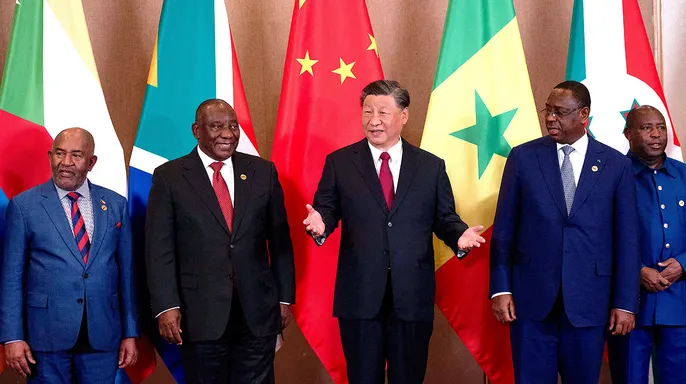
The drive to win out is undeniable despite these hurdles. Assistant Secretary Garcia stated clearly that the United States remains committed to reshaping the global critical minerals and rare earths market. They aim to make it more diverse, secure, and reliable for all nations involved. Officials plan to work alongside African partners to tackle risks posed by non-market actors while ensuring supply chain security. Diplomatic and economic tools are being used to push for fair and transparent markets that benefit everyone everywhere.
Fox News Digital contacted the Chinese Embassy spokesman in Washington, D.C., asking for their side of the story on this developing issue.
Photos