Trump admin prepares for Cuba strike by deploying military surgeons
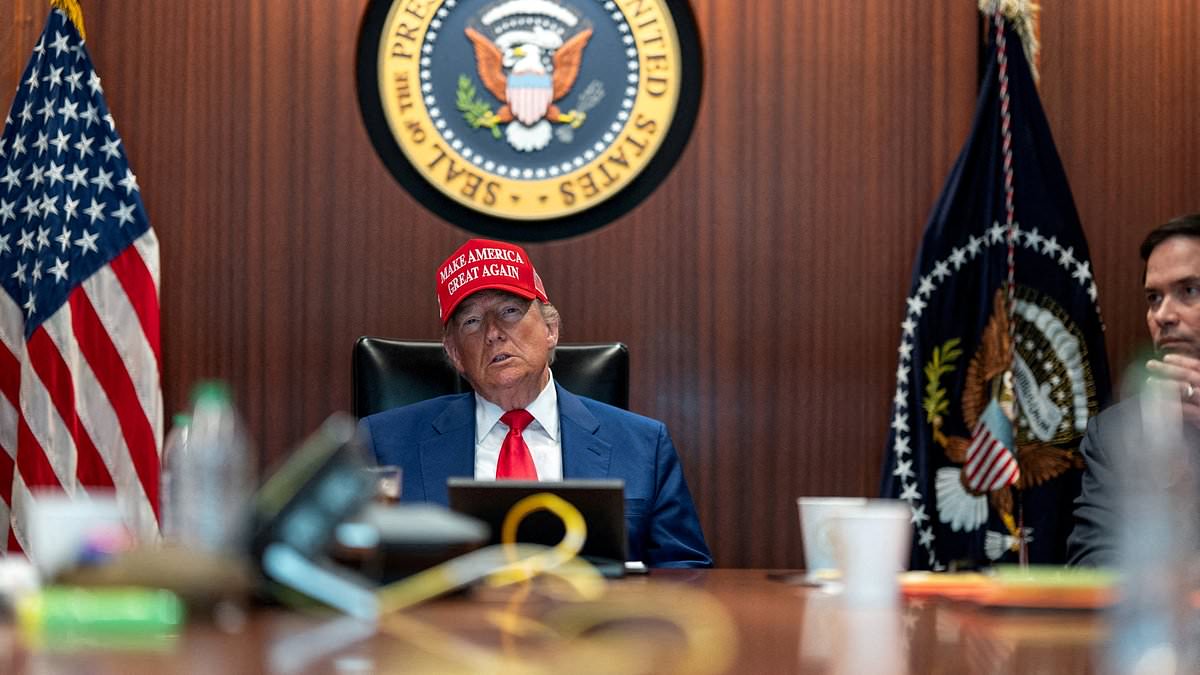
Donald Trump's military is moving fast, gathering battlefield surgeons, military police, and combat engineers for a possible strike against Cuba within the next four months. A leaked Pentagon memo sends a clear warning signal even though it never mentions the island by name. US Army Reserve headquarters sent an internal message last week asking its commands if they could hand over six types of units to Southern Command, which oversees American forces in Latin America and the Caribbean. Multiple US officials told CBS News that this planning is aimed squarely at the communist island. The memo states these units might be needed in 90 to 120 days, opening a potential deployment window right around Christmas. Commands had until Friday to respond.
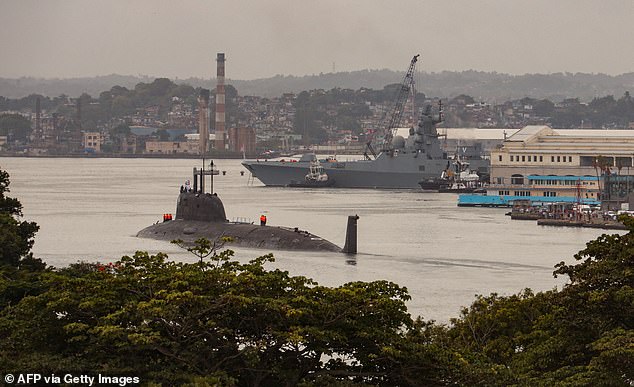
Among the requested assets is a forward resuscitative and surgical detachment. This small team performs emergency surgery and trauma care on wounded troops close to the fighting. There is no indication any units have received deployment orders yet. The message does not say how many troops are needed, where they would go, or what operation they would support. A Southern Command spokesperson said operational security concerns prevent them from disclosing details or commenting on US operational movements or potential deployment timelines associated with current or future operations, contingencies, or planning. However, the command continuously coordinates with the Joint Force to assess a range of potential requirements across its area of responsibility in support of assigned missions.
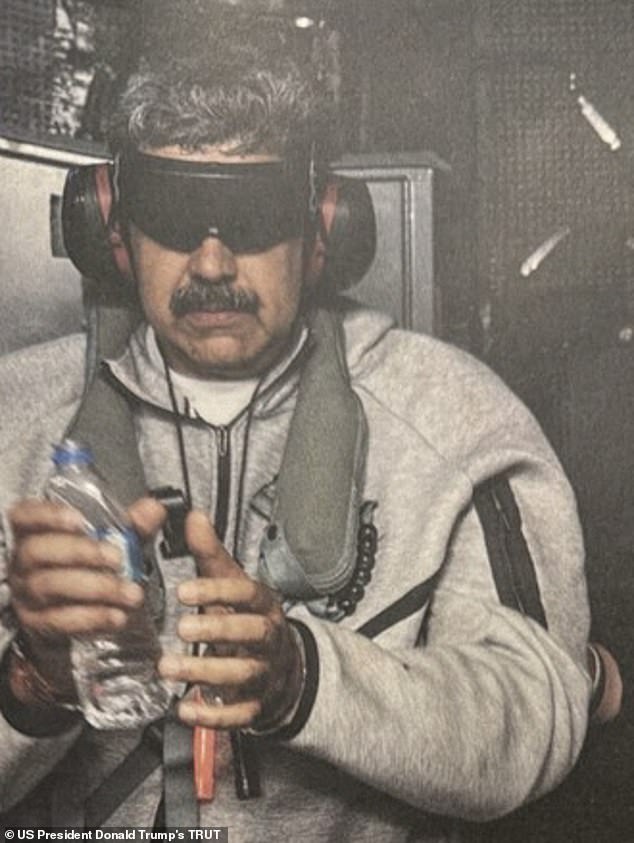
Trump told the United Nations General Assembly on Tuesday that Cuba's communist government will fall and freedom will be coming to Cuba. This veiled threat followed US special forces snatching Venezuelan dictator Nicolas Maduro from Caracas in January. The Cuban delegation stormed out of the hall as the president made his speech. Trump added that Secretary of State Marco Rubio was deep into negotiations with Havana. He told reporters in the Oval Office in March that he believed he would have the honor of taking Cuba. Taking Cuba in some form, yeah, is what he said.
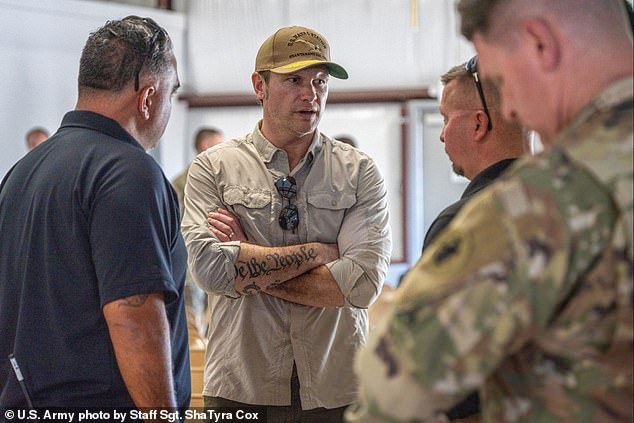
The administration hit Cuban officials and entities with fresh sanctions days before his UN speech. This included military-linked firms tied to the island's nickel industry. The planning comes as Trump pursues what officials have dubbed the Donroe Doctrine, a muscular push to drive foreign adversaries and other threats out of America's backyard. The memo also asks for a medical brigade to direct medical units in the field. It requests a military police brigade whose units typically handle security, detention, and law enforcement missions. Also on the list are an engineer battalion, a logistics battalion that manages transport, fuel, maintenance, and supplies, and an expeditionary sustainment command to run logistics across an entire theater of operations. Access to this specific information remains limited to those inside the loop. The clock is ticking toward Christmas as the military prepares for whatever comes next.
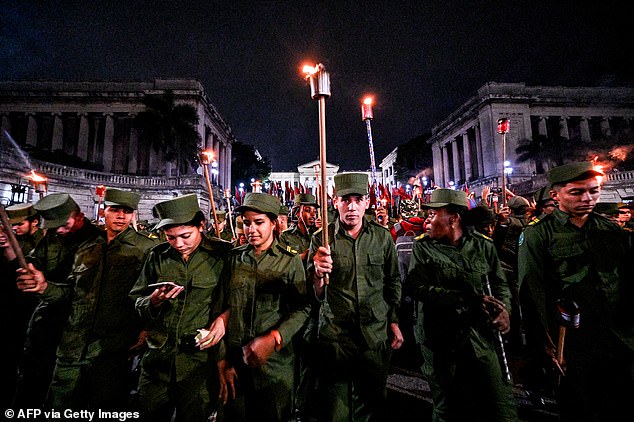
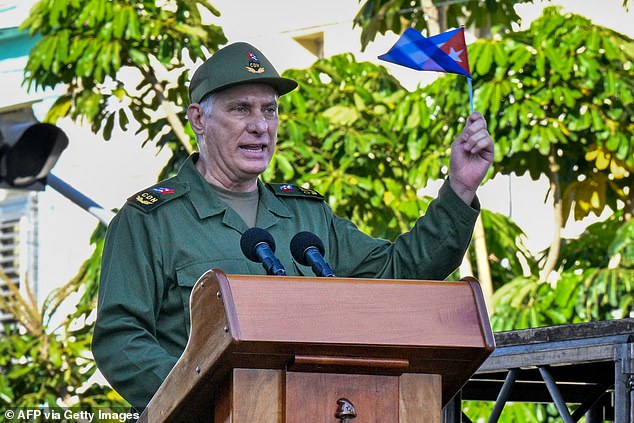
I think I could do anything I want with it, if you want to know the truth." Those words came first, followed by another declaration later that same month: "Cuba's going to be next." The threat is no longer just talk. Cuban President Miguel Diaz-Canel has vowed to fight back against any US attack and accused Washington of aggression and economic warfare for choking off the island's oil imports. This move strikes at a lifeline, turning fuel shortages into a weapon that could destabilize an entire nation overnight.
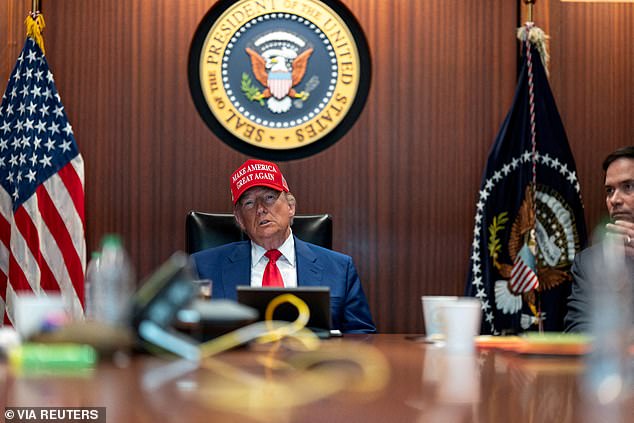
Military planners have also examined an air assault on the island by thousands of troops from the 101st Airborne Division, the only unit trained for the task, CBS News reported in July. Officials emphasized no decision had been made. Yet the mere discussion of such a plan sends shockwaves through diplomatic channels. The question remains: when does preparation become intent?
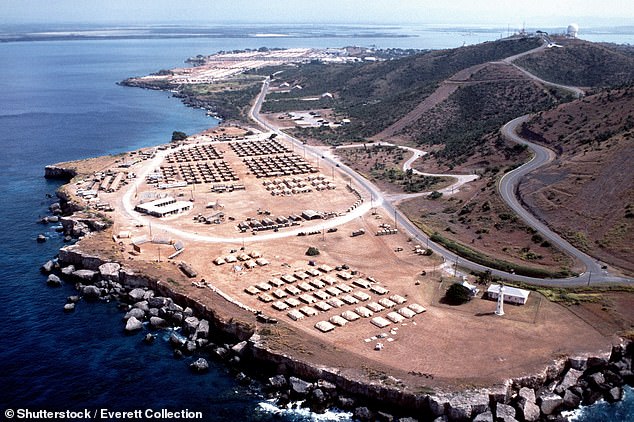
Another US military operation may seem far-fetched with conflicts raging in Iran and Ukraine, but Canadian Prime Minister Mark Carney has admitted his government is prepared for the possibility of a US invasion of its northern neighbor. "I think you have a responsibility in these roles to look at extreme tail risk," Carney, 61, told the New York Times on Wednesday. "That's just risk management. That's not a base case, but it would be irresponsible not to." The statement cuts through the noise. It suggests that Washington is weighing scenarios most leaders ignore until they arrive.
The facts are stark. Governments are stockpiling supplies and rehearsing drills while ordinary citizens face uncertainty. Access to these plans stays locked behind closed doors, reserved for those in power who decide when to pull the trigger or hold back. The world watches closely as tensions rise, knowing that one wrong step could ignite a chain reaction no one can control.
Photos