Tinned Mackerel Swapped For Lower Omega-3 Jack Variety
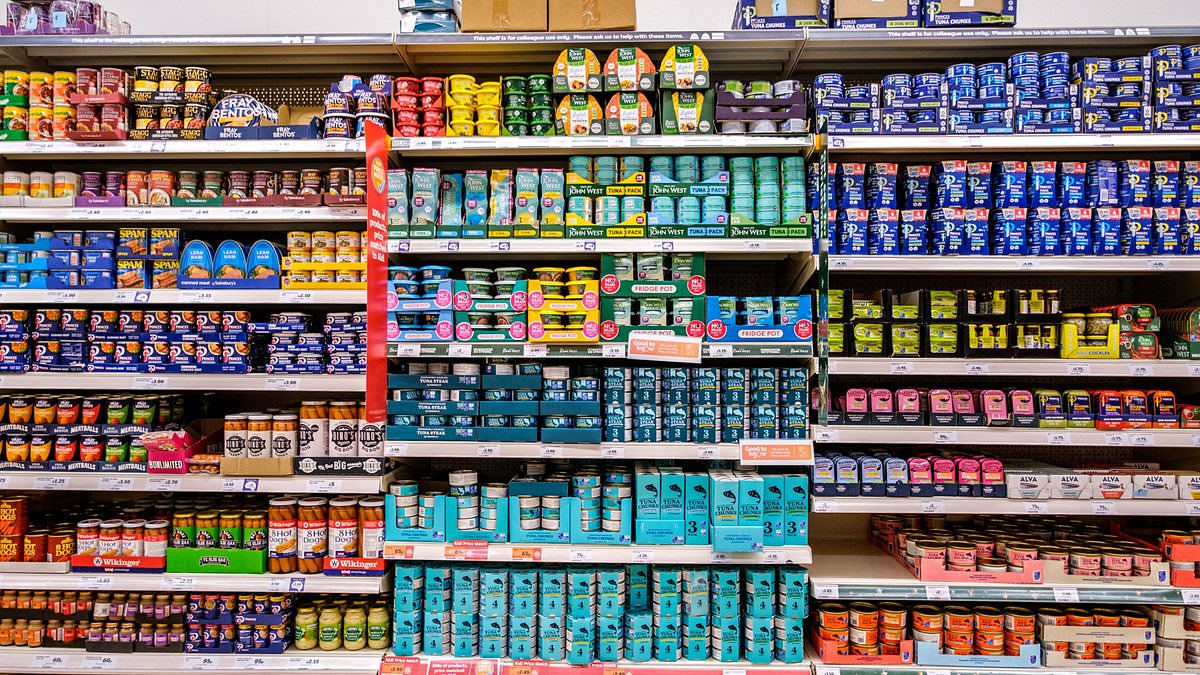
Mackerel has long been hailed as a powerhouse for your health, stuffed with brain-boosting omega-3s. Yet a fresh investigation exposes a troubling reality: many tinned products labeled "mackerel" at major chains like Sainsbury's, Tesco, and Lidl no longer contain any of that prized oily fish. The switch is real, and the replacement is something else entirely.
Princes, a titan in the canned fish industry, swapped its branded mackerel range for Chilean jack mackerel last year. Despite sharing a similar name, these are two completely different creatures. UK shelves still display "jack mackerel" next to traditional varieties under signs that blur the line between them. The biology is stark. Jack mackerel belongs to the Carangidae family, while true mackerel sits in the Scombridae family. But the nutritional hit is what stings hardest for health watchers. Princes' jack mackerel offers only half the omega-3 found in genuine mackerel.
Sue Davies, head of food policy at Which?, voiced strong concerns about this quiet downgrade of everyday staples. "Tinned fish is an affordable and convenient way for households to add important nutrients to their diets and eat the recommended two portions of fish a week, one of which should be oily," she said. "It's a real concern when manufacturers quietly downgrade everyday staples like these as shoppers can end up paying the same price for a product that delivers significantly less nutritional value."
The stakes are high because omega-3 fatty acids drive essential bodily functions. They help remove harmful fats from the blood while boosting good cholesterol, and they play a role in preventing dementia. One study showed regular oily fish eaters enjoyed healthier blood vessels and lower blood pressure, offering protection against cognitive decline. Another found that higher levels of omega-3 in the bloodstream led to better performance on thinking tests. Among all oily options, mackerel stands out as one of the richest sources per 100g, beating salmon and sardines for this specific nutrient.
Demand for tinned fish has surged over the last two years, with sales jumping nearly a fifth as money-savvy buyers hunt for cheap protein. However, some shoppers have noticed distinct changes in taste and texture since the switch. Marcus Ansell, a canned seafood reviewer with 650,000 Instagram followers, noted the shift in his recent video. "It smells rather metallic...like cheap rubbish tuna," he said to his audience.
The move away from true mackerel stems largely from sustainability worries. Waitresse stopped selling fresh, chilled, and frozen North Atlantic mackerel back in April due to fears over overfishing. Their canned offerings are also being phased out as stocks dwindle. Lidl has shifted toward sustainably sourced Chilean jack mackerel, labeling it simply "mackerel in olive oil" on supermarket signs. Even though jack mackerel costs roughly a third less than the real deal, giants like Tesco sell the substitute at nearly identical prices, with a discrepancy of just 20p per unit. Yet, the switch is not universal across every shelf or brand.
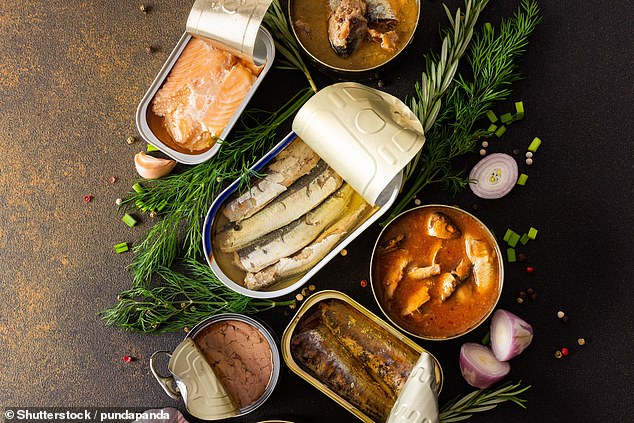
True mackerel remains in the tinned cans sold by supermarkets, even though the catch situation is complicated. For over 15 years, the stock of mackerel in the North East Atlantic has sat at levels 39 per cent above recommended limits. Because of this surplus, the fishery lost its Marine Stewardship Council certification. Many major retailers demand that badge to prove their products are sustainable. In contrast, Chilean jack mackerel still holds that certification.
For years, UK regulations prevented these two species from sharing a single label. A tin could not simply read 'jack mackerel'. That changed only last year when Princes introduced new tins. The Department for Environment, Food and Rural Affairs then amended its rules just weeks after the launch to allow this specific labelling. Now, critics are furious. They argue the new guidelines blur the line between the two fish types and risk catfishing consumers who think they are buying true mackerel.
Stewart Harper, former managing director of North Atlantic Fishing Company, told the Financial Times that pure mackerel is a much better species to eat than jack mackerel. Consumers will suffer from this switch in labeling standards. The facts show a clear difference between the stocks and their management status, yet the packaging rules now permit them to be treated almost as one product. This shift invites questions about whether shoppers are getting what they pay for on the shelf.
Photos