Timelapse Video Reveals Europe's Prolonged Scorching Summer Heat
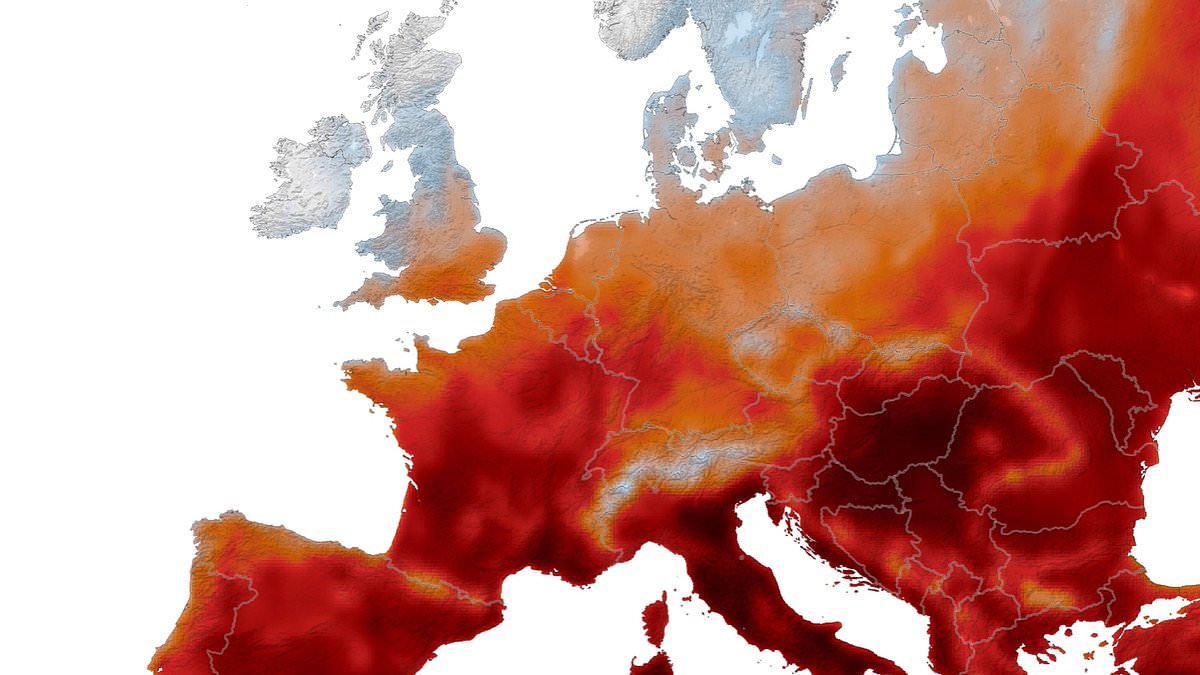
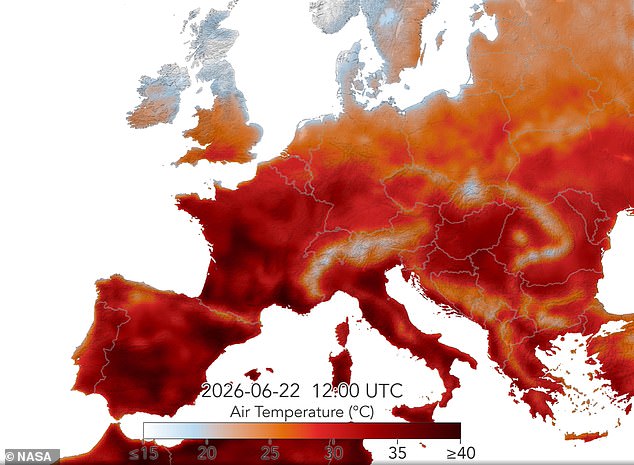
A new timelapse video exposes just how long Europe has suffered through its scorching summer. Built from data gathered by NASA's Goddard Earth Observing System (GEOS), the animation tracks daily maximum surface air temperatures across Western Europe between May 1 and August 19. Dark red zones on the map mark areas where heat climbed to 40°C or higher, and these patches grew larger as weeks passed.
Western Europe saw an unusual summer begin in May 2026 when a heat dome pushed temperatures past records in several nations. That early spike was merely the opening shot. By mid-August, residents were enduring their fifth major heat wave of the season. The latest surge drove temps well above 40 degrees Celsius across vast regions. During these extreme bouts, high heat lingered for days and sometimes weeks without breaking overnight.
The video starts on May 1 with only small light orange spots scattered over the map. By May 22 huge swaths including Portugal, Spain, and Ukraine turned dark. Fast forward to mid-June and several countries showed deep red, confirming temperatures at least 40°C. Heat records fell across the continent all summer long. In May, Britain hit 35.1°C, smashing the old May record by a full 2.3 degrees. June brought disaster for Bordeaux, France, which broke its maximum temperature mark on three straight days with readings hitting 42.5°C. August saw Slovakia set fresh national highs for both day and night.
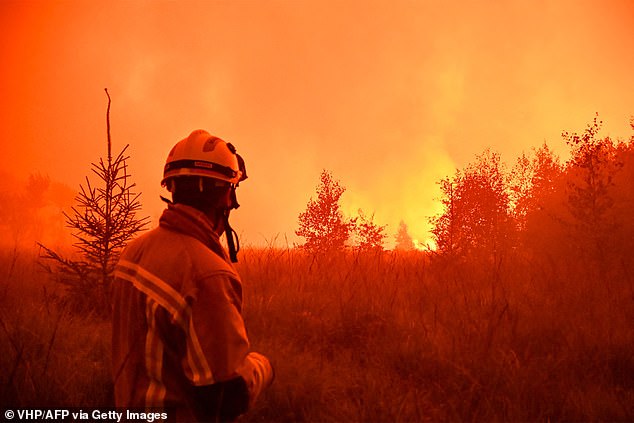
The misery has hit people, animals, scenery, and infrastructure alike. Greece, France, Spain, Belgium, Portugal, and Croatia have all burned through wildfires that forced thousands from their homes. A recent blaze raced across the Hautes Fagnes natural park in eastern Belgium near the German border. It stands as the biggest fire ever recorded for the nation, topping a 2011 event that consumed nearly 1,400 hectares according to European Forest Fire Information System data. Hundreds fled evacuation zones at a beach resort in northern Greece and a village in southwest France. The UK also endured its worst fire season on record with firefighters battling more than 1,132 blazes. Early reports suggest heat may have contributed to as many as 10,000 excess deaths, including thousands in Britain, France, Germany, and Belgium. For a region used to mild summers, this heat upended everyday life.
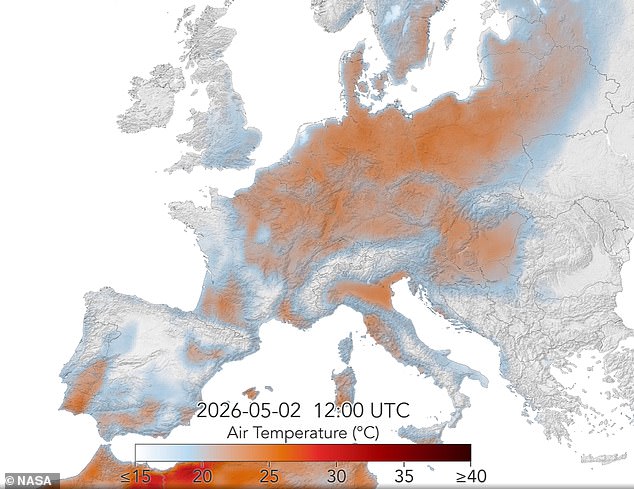
NASA reports a sharp rise in hospitalizations and heat-related deaths. Highways and train tracks buckled under the pressure, forcing road closures and service disruptions across the region. Fast-forward to mid-June, and several countries appear dark red on the map, signaling temperatures that hit at least 40°C or 104 degrees Fahrenheit.
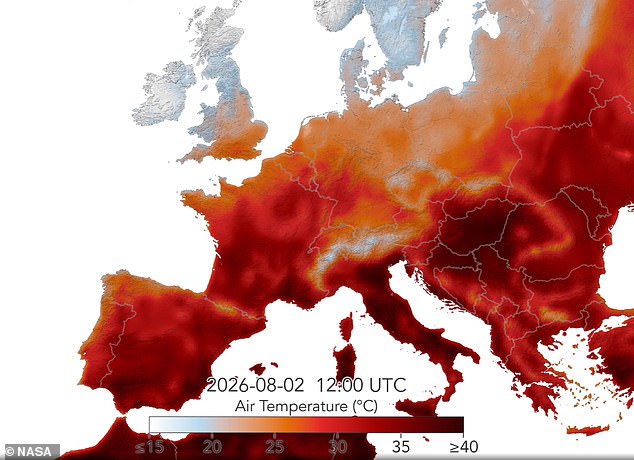
Large, destructive wildfires roared through areas where they were once rarely seen. The intense heat also worsened a severe drought that has gripped the region for months. This dry spell contributed to record-low river water levels and disrupted water supplies, power grids, transportation routes, and agriculture alike. Worryingly, scientists predict future summers will be even hotter and drier as climate change accelerates these trends.
Photos